A Look At Duong Restaurant Saigon’s Chef-Selected Menu
Dining at Duong Restaurant Saigon is designed as a guided culinary experience rather than a quick meal in District 1. Located on Dong Du Street, the restaurant brings Vietnamese ingredients and familiar local flavors into a refined setting shaped by French culinary technique.
The chef-selected menu gives guests an opportunity to explore several expressions of modern Vietnamese cuisine. Seafood, beef, tuna, vegetables, noodles, and aromatic herbs appear in carefully balanced dishes, while the cozy dining room and attentive service create an unhurried atmosphere.
For visitors discovering Ho Chi Minh City through food, the restaurant offers a convenient starting point. Its location makes it easy to combine a fine-dining reservation with an evening walk around the city center, and this foodie guide provides useful context for building a broader culinary itinerary.
A Chef-Led Interpretation Of Vietnamese Flavor
The menu reflects a thoughtful approach to Vietnamese cooking. Instead of treating traditional ingredients as decoration, the kitchen places their natural character at the center of each plate. Rice noodles, herbs, seafood, mushrooms, and fresh vegetables contribute familiar tastes, while presentation and technique give them a contemporary identity.
French influence can be seen in the menu’s structure and refinement. Sauces are used with restraint, textures are carefully considered, and the progression from lighter dishes to richer main courses feels suitable for a leisurely meal. This balance allows the food to remain recognizably Vietnamese while appealing to diners who enjoy European-style fine dining.
Dishes That Shape The Experience
Rice noodle beef rolls offer an approachable beginning to the meal. They combine tender beef with the freshness of rice noodles and herbs, creating a dish that feels rooted in Vietnamese street food while receiving a more polished restaurant presentation. The contrast between soft, fresh, and savory elements makes it a natural choice for guests exploring the menu for the first time.
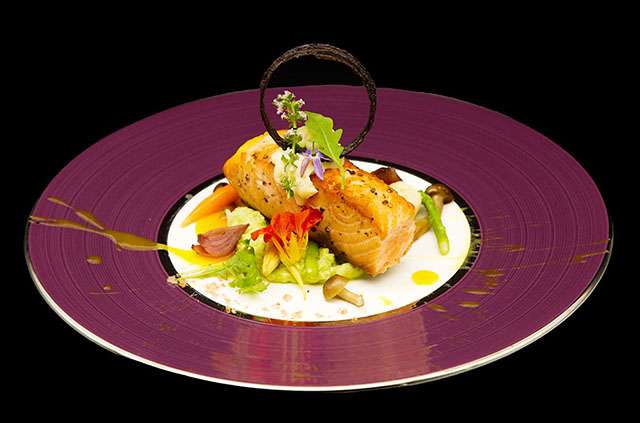
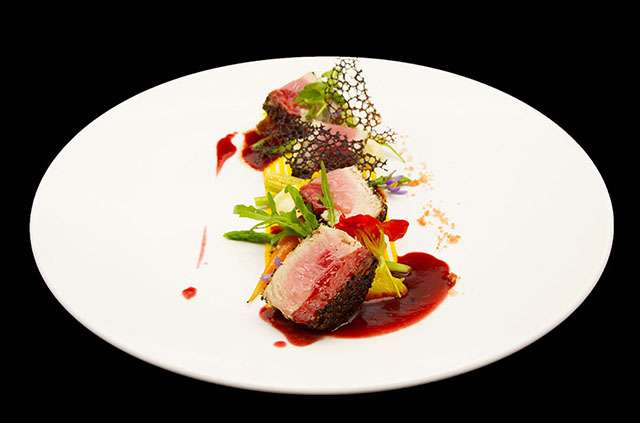
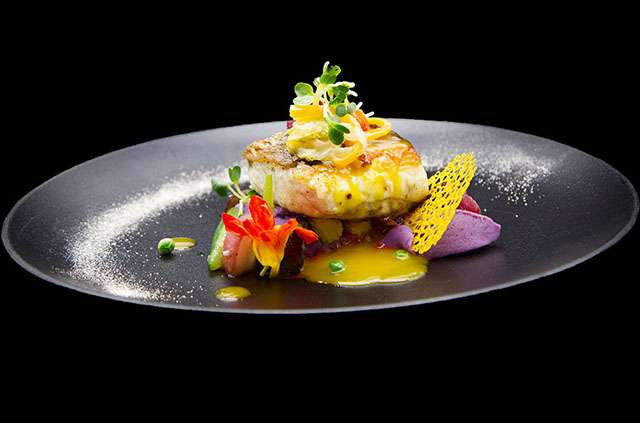
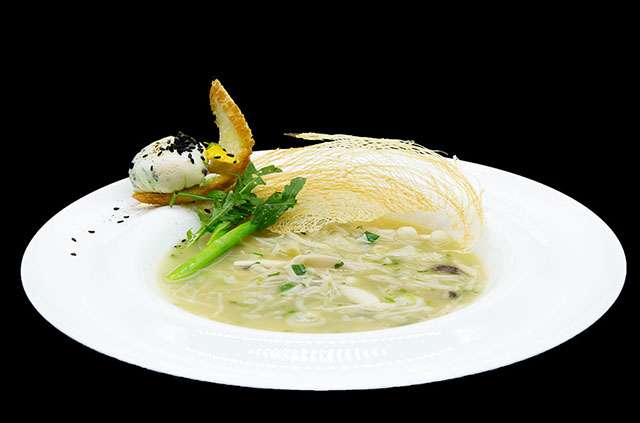
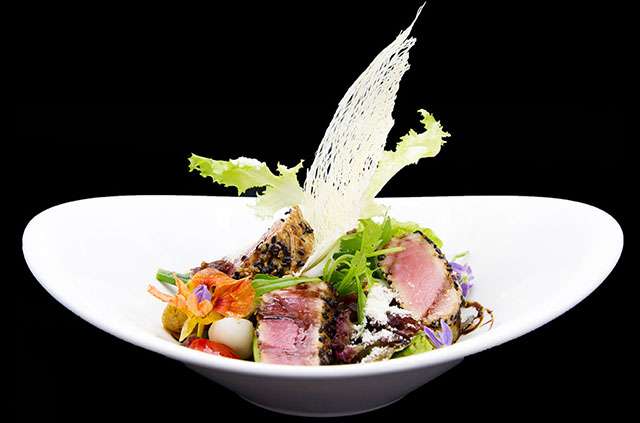
Seafood selections provide another window into the chef’s style. Fresh, delicate flavors benefit from clean seasoning and precise cooking, allowing the ingredients to remain expressive. Tuna steak brings a firmer, richer option, while mushroom soup offers a warm, earthy alternative for diners seeking a gentler course.
Salads help maintain a sense of freshness across the meal. Vietnamese-inspired salads often depend on crisp produce, herbs, acidity, and a lightly balanced dressing, and these components can refresh the palate between richer bites. Taken together, the menu encourages variety rather than asking diners to choose between traditional and modern flavors.
A Simple Way To Read The Menu
| Menu direction |
Flavor profile |
Ideal role in the meal |
What it contributes |
| Rice noodle beef rolls |
Savory, fresh, herbaceous |
Starter |
Vietnamese familiarity with refined presentation |
| Seafood |
Light, delicate, naturally sweet |
Starter or main course |
Clean flavors and seasonal character |
| Tuna steak |
Rich, meaty, balanced |
Main course |
A substantial dish with modern appeal |
| Mushroom soup |
Earthy, warm, comforting |
Opening or lighter course |
Depth without heaviness |
| Vietnamese-inspired salads |
Crisp, bright, gently acidic |
Starter or palate refresher |
Freshness and contrast |
| Chef-selected combinations |
Varied and progressive |
Full dining experience |
A curated journey through the menu |
This variety makes the restaurant suitable for different dining styles. A guest may prefer a lighter meal built around soup, salad, and seafood, while another may choose beef rolls followed by tuna steak. Sharing several courses is also a practical way to experience the range of textures and seasonings represented in the kitchen.
The chef-led format can be especially appealing when diners want guidance. Rather than spending too much time comparing every option, guests can rely on the restaurant’s recommendations to create a balanced sequence. That approach keeps the focus on discovery and allows the meal to develop naturally.
Pairing Wine With Vietnamese-Inspired Cuisine
Vietnamese flavors often combine herbs, acidity, sweetness, spice, and umami, so wine pairing benefits from flexibility. Crisp whites can complement seafood and salads, while lighter reds may work well with beef when their tannins do not overwhelm fresh herbs or delicate sauces.
The pairing should support the food instead of competing with it. A wine with bright acidity can echo a tangy dressing, while a more rounded style may suit roasted, grilled, or deeply savory ingredients. Diners interested in exploring this relationship can consult the restaurant’s guide to Vietnamese wine pairing before choosing a bottle or asking the team for advice.
What Makes The Setting Part Of The Menu
A chef-selected meal depends on more than individual recipes. The pace of service, the presentation of each course, and the atmosphere influence how guests perceive flavor. Duong Restaurant Saigon’s cozy interior supports a slower style of dining, giving guests time to appreciate the progression from one dish to the next.
Its Dong Du Street location adds to the experience. After exploring the energy of central Ho Chi Minh City, diners can step into an environment that feels more composed and intimate. This contrast makes the restaurant suitable for an evening celebration, a business dinner, or a relaxed meal for travelers looking for a polished taste of Vietnam.
Planning A Memorable Visit
A little planning can help diners make the most of the chef’s menu. Consider the number of courses, the preferences of the group, and whether wine will be part of the evening. Guests with dietary concerns should communicate them when making a reservation so the kitchen can advise on suitable choices.
The following recommendations can help shape a more enjoyable experience:
- Begin with a fresh or lighter dish before moving toward richer flavors.
- Include at least one Vietnamese-inspired specialty to experience the restaurant’s signature direction.
- Ask the service team how seafood, tuna, or beef dishes can be paired with wine.
- Share several courses when dining with companions to compare textures and seasonings.
- Reserve ahead for a relaxed table and an unhurried chef-led meal.
The menu is best appreciated as a connected sequence rather than a collection of unrelated plates. Freshness, balance, presentation, and hospitality work together to create a dining experience that feels distinctly Vietnamese while drawing on French-inspired refinement.
For an evening of carefully prepared food in the heart of Ho Chi Minh City, reserve a table at Duong Restaurant Saigon and let the chef’s selections guide your meal from the first course to the final bite.