Fusion Cuisine At Duong Restaurant Saigon
Fusion cuisine becomes easier to understand when it is viewed as a conversation between culinary traditions rather than a random mixture of ingredients. At Duong Restaurant Saigon on Dong Du Street in District 1, Vietnamese flavours provide the central voice, while French techniques, presentation and dining customs add another layer.
For Australian diners, this style can feel familiar and new at the same time. It has the freshness associated with Sydney seafood, the careful presentation found in Melbourne’s modern dining rooms, and the relaxed pleasure of sharing several plates over a long meal.
| Culinary approach |
Vietnamese expression |
French influence |
Result on the plate |
| Ingredients |
Herbs, rice noodles, seafood, beef |
Butter, cream, stocks, refined sauces |
Bright flavour with added depth |
| Technique |
Grilling, steaming, wrapping |
Reduction, pan-searing, careful plating |
Familiar foods with polished texture |
| Dining style |
Sharing, dipping sauces, fresh garnishes |
Courses, wine pairing, composed presentation |
A flexible fine-dining experience |
What Fusion Cuisine Means
Fusion cooking combines culinary ideas while allowing each tradition to remain recognisable. A Vietnamese-French dish should still taste rooted in Vietnam; the French element should clarify or enhance the main ingredients rather than cover them with heavy sauce.
The best fusion menus create balance through contrast. Fresh herbs may meet a silky sauce, crisp vegetables may accompany a tender protein, and a light broth may carry the depth usually associated with a European stock. The result feels coherent because the flavours have a shared purpose.
The Vietnamese Foundation
Vietnamese cooking often depends on freshness, texture and aromatic layering. Rice noodles, seafood, beef, leafy herbs, chilli, lime and fish sauce create a lively foundation. A dish may move from savoury to sour, sweet to spicy, with each element kept distinct enough to be noticed.
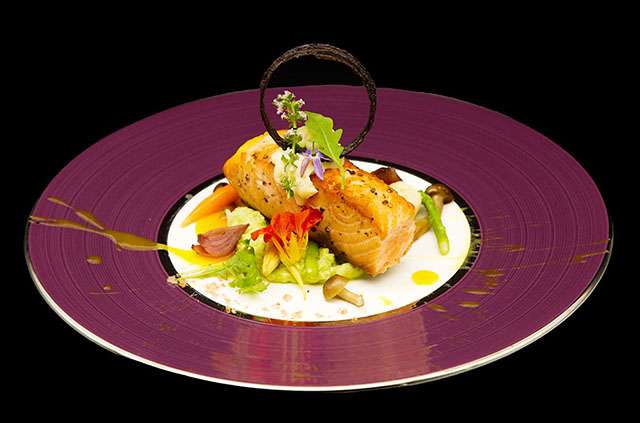
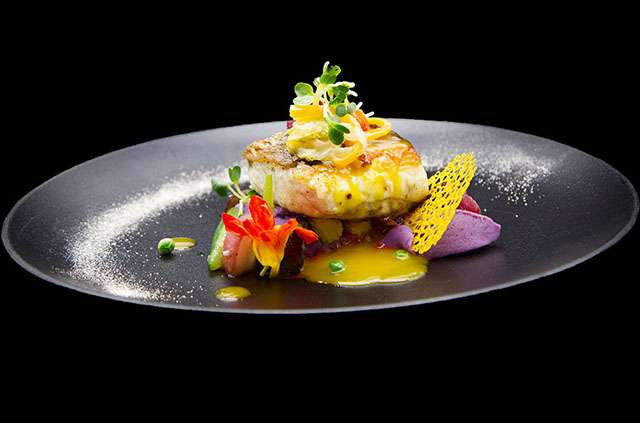
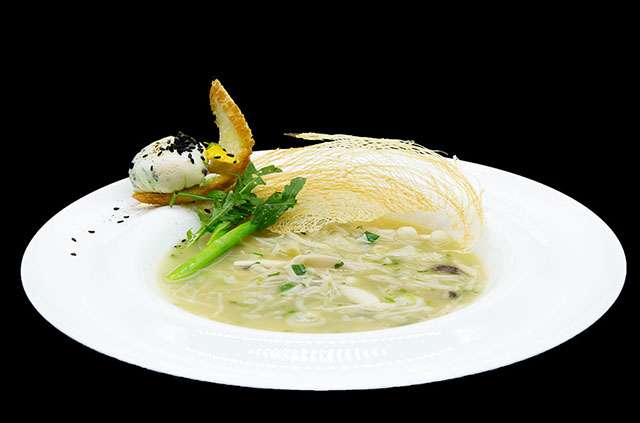
At Duong Restaurant Saigon, this foundation can be seen in dishes such as rice noodle beef rolls, seafood preparations, salads and mushroom soup. These foods reflect the country’s regional ingredients and everyday food culture, while a fine-dining setting gives them a more composed form.
Where French Technique Enters
French influence is often easiest to notice in method rather than in a single ingredient. Pan-searing, careful roasting, sauce reduction, elegant plating and the use of a concentrated stock can bring structure to Vietnamese produce without removing its character.
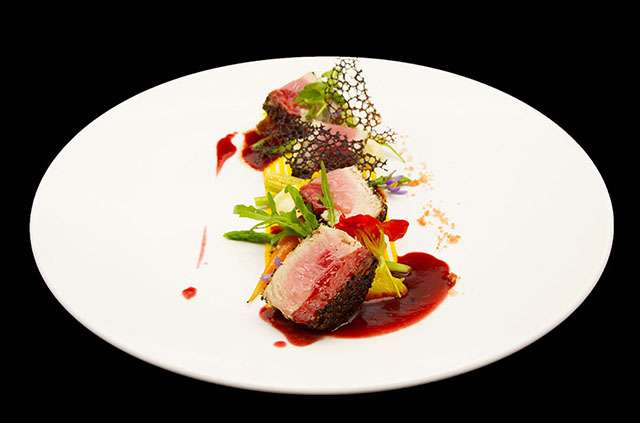
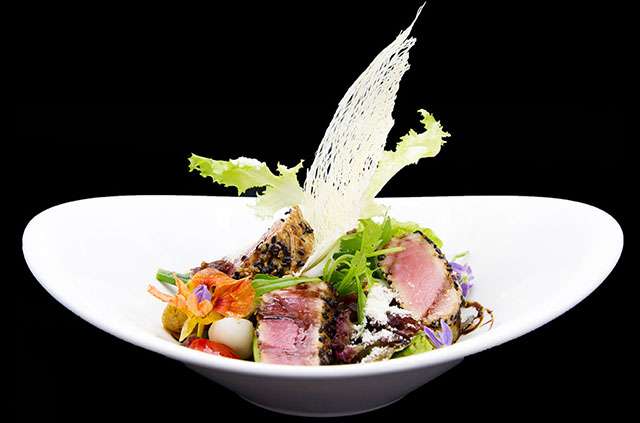
Tuna steak offers a useful example of this meeting point. The fish can be treated with French precision, while Vietnamese herbs, vegetables or dipping flavours keep the dish connected to Saigon. A mushroom soup may gain a smoother texture and deeper body from European technique, yet still fit naturally within a Vietnamese-inspired menu.
How A Dish Finds Balance
A successful plate usually has a clear centre. That centre might be a piece of seafood, a noodle roll or a delicate soup. Supporting ingredients should then contribute one of four things: acidity, aroma, texture or richness.
This is why herbs and salads matter so much in Vietnamese-French fusion. They prevent a buttery sauce or carefully reduced jus from becoming too weighty. Australian diners who enjoy crisp salads with grilled prawns, or citrus served with rich fish, will recognise this principle from local restaurants and contemporary coastal cooking.
Reading A Duong Menu
When approaching a chef-led menu, start by identifying the main ingredient and the cooking style. A seafood dish may be fresh and aromatic, while a tuna steak may be more structured and substantial. Mushroom soup can provide a gentle opening course, and a salad can reset the palate between richer flavours.
Sharing several dishes is a practical way to understand the menu. This suits Australian dining habits, from relaxed meals in Brisbane to produce-focused restaurants in Melbourne and Sydney. It also lets a table compare textures and sauces instead of judging fusion cuisine from one plate alone.
Saigon Ingredients And Local Markets
Vietnam’s food culture is shaped by markets, street vendors and seasonal produce. Fresh herbs, noodles, seafood and vegetables are selected for immediate use, so freshness is a major part of the flavour. The market is also where culinary traditions remain connected to daily life rather than being limited to formal restaurants.
For a closer look at this ingredient culture, the Binh Tay Market guide offers useful context about one of Ho Chi Minh City’s important food and trading landmarks. That perspective helps explain why Vietnamese cooking can feel so vibrant: the ingredients are treated as living parts of a wider city culture.
Australian food culture has its own market connection. Farmers’ markets in Sydney, Melbourne and Adelaide have made seasonal produce more visible, while seafood remains central to coastal dining. The comparison is useful, although Vietnamese markets generally place greater emphasis on herbs, noodles, fermented condiments and quick preparation.
Enjoying The Experience In Australia
Australian diners are used to practical menu information. Prices generally include the 10% GST, and many guests check whether a restaurant allows BYO wine, applies a surcharge on public holidays or can accommodate dietary requirements. These details vary by venue, so checking before booking makes the meal more comfortable.
Food safety and allergen communication also deserve attention. Australian food businesses operate within state and territory requirements informed by Food Standards Australia New Zealand, and diners commonly ask about gluten, shellfish, peanuts or fish sauce. At a Vietnamese-French restaurant, those questions are especially relevant because sauces, stocks and marinades can contain several ingredients.
The dining rhythm may be different from a quick weekday meal in Australia. A fine-dining visit in Saigon is better approached as time to notice the sequence of courses, the contrast between fresh and cooked elements, and the way the chef brings two culinary histories together. A seasonal idea from the kitchen can be explored through this seasonal recipe guide, which shows how Vietnamese ingredients can be translated into a home-cooking context.
Reserve a table at Duong Restaurant Saigon when you are ready to experience this balance in person. Bring an appetite for fresh Vietnamese flavours, polished French technique and a relaxed meal in the heart of District 1.