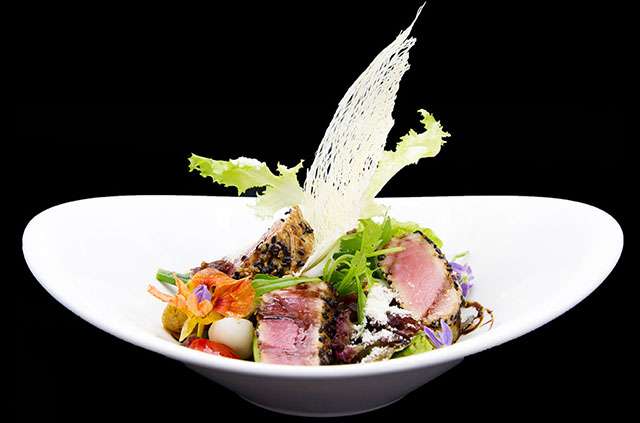
A taste of lemongrass in Duong Restaurant Saigon’s seafood stew
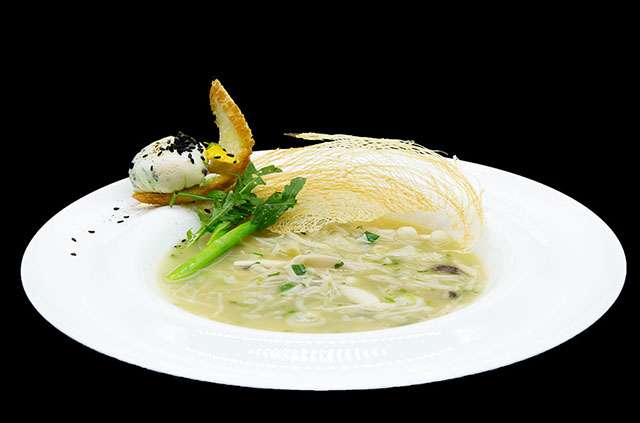
Lemongrass brings a bright, unmistakably Vietnamese character to a seafood stew. Its citrusy perfume cuts through the richness of the broth, while its gentle herbal warmth gives prawns, fish and shellfish a cleaner, more lifted flavour. At Duong Restaurant Saigon, this aromatic ingredient helps turn a comforting bowl into a carefully balanced dining experience.
For Australian diners, the appeal is easy to understand. It has the freshness associated with a seafood lunch on the coast, yet the seasoning is more layered than a simple grilled fillet. The fragrance is vivid without being harsh, making it a natural choice for anyone who enjoys Vietnamese cuisine, French technique and produce-led cooking.
Duong Restaurant Saigon sits on Dong Du Street in District 1, a convenient address for travellers staying near the Saigon River, the Opera House or Ben Thanh Market. After a day exploring Ho Chi Minh City’s busy footpaths and cafés, a bowl of fragrant stew offers a slower, more polished way to experience local flavours.
The restaurant’s chef-led approach also suits the way many Australians like to dine: quality ingredients, thoughtful presentation and enough flexibility to accommodate different preferences. Whether you are visiting from Sydney, Melbourne, Brisbane or Perth, this is a dish that makes Vietnamese seafood feel both familiar and distinctive.
Why lemongrass changes the broth
Lemongrass is more than a garnish. When bruised, sliced or infused into stock, the stalk releases a fresh lemon-like aroma with subtle ginger and floral notes. It gives the broth energy, especially when paired with seafood that has a naturally delicate sweetness.
That brightness is useful in a stew because the liquid needs to carry several flavours at once. Seafood stock, herbs, vegetables and seasoning can become heavy if they are not balanced. Lemongrass keeps the finish crisp, allowing the prawns or fish to remain the focus rather than disappearing under a thick sauce.
The ingredient also connects the dish to the wider food culture of southern Vietnam. Saigon cooking often welcomes lively herbs, aromatic roots and contrasting textures. In this setting, the lemongrass acts as a bridge between everyday Vietnamese comfort food and the more refined style expected from a fine-dining restaurant.
A seafood dish built around contrast
A well-made seafood stew should offer more than warmth. The broth may be silky and savoury, while the seafood brings springiness, tenderness and a touch of ocean salinity. Fresh herbs add a green note, and vegetables can provide a gentle crunch against the soft texture of the fish.
This contrast is particularly appealing to Australian palates, where seafood is often judged by freshness and clean flavour. Diners used to Moreton Bay prawns, Tasmanian mussels or Western Australian fish may appreciate a preparation that keeps the produce recognisable while giving it a distinctly Saigon-style setting.
The seasoning can be enjoyed slowly, with small tastes of broth between bites. Rather than overwhelming the palate with chilli, the lemongrass creates a more aromatic lift. It is a thoughtful option for a long lunch, a date night or an evening when you want something lighter than a rich French-style seafood casserole.
Presentation that makes the aroma part of the meal
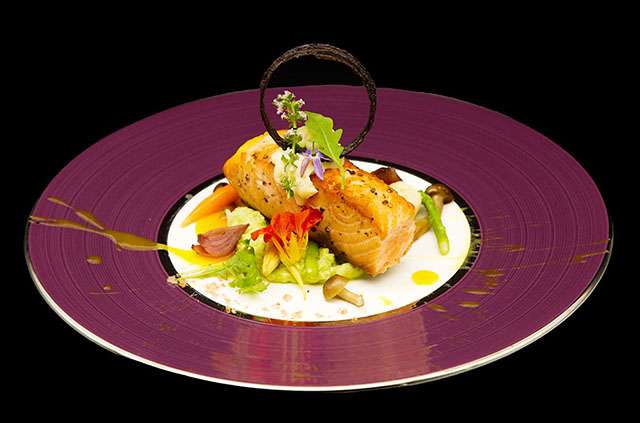
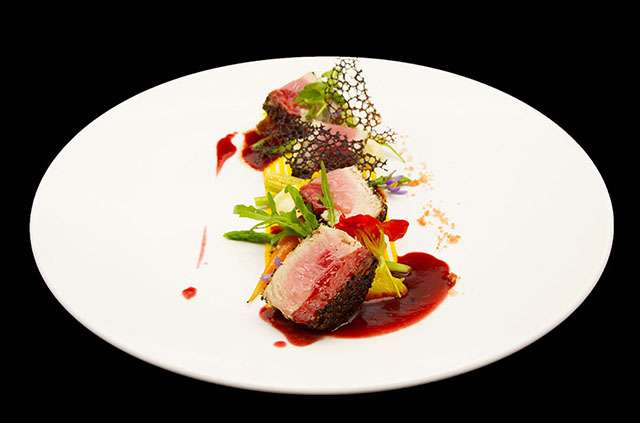
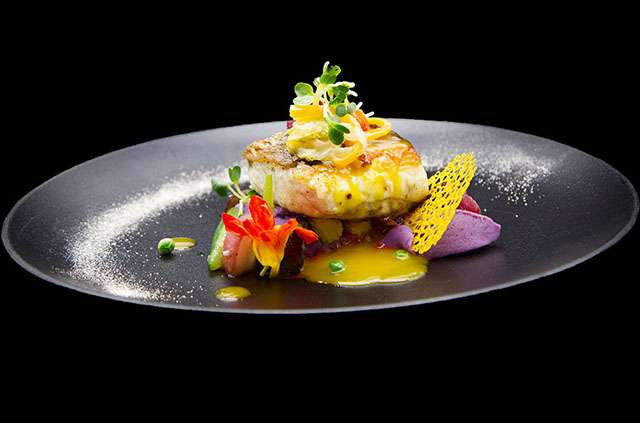
Fine dining begins before the first bite. The arrangement of seafood, herbs and broth creates an expectation of freshness, while the final pour of hot liquid can release lemongrass fragrance at the table. That moment makes the aroma feel almost as important as the flavour.
Duong Restaurant Saigon gives presentation a clear role in its dining style. Its plating guide explains how colour, height and composition can shape the way a dish is experienced, which is especially relevant to a stew with several naturally vibrant ingredients.
For Australian visitors, this attention to detail may feel familiar from contemporary restaurants in Melbourne’s laneways or Sydney’s dining precincts. The difference is the Vietnamese visual language: fresh herbs, glossy broth, bright vegetables and the relaxed elegance of Saigon hospitality.
What to pair with the stew
The best pairing depends on how strongly the broth is seasoned and whether the dish includes chilli. A crisp white wine can work well, but a non-alcoholic drink may reveal the lemongrass more clearly by keeping the palate refreshed without adding oak or alcohol.
Duong’s non-alcoholic pairings offer useful inspiration for matching the stew with herbal, citrus-led and lightly sparkling drinks. These choices suit Australian diners who are driving, taking part in Dry July, or simply choosing a lower-alcohol meal without missing out on a considered restaurant experience.
A bright soda with lime, a delicate tea or a botanical cooler can all complement the broth. The aim is to echo the dish’s freshness rather than compete with its fragrance. If the stew is part of a larger meal, a light salad or rice noodle beef roll can add variety without making the table feel too heavy.
| Dining preference |
Why the seafood stew suits it |
Ideal approach |
| Fresh, delicate seafood flavours |
Lemongrass lifts the broth and keeps the finish clean |
Taste the broth first, then add herbs |
| Vietnamese food newcomers |
The aroma is distinctive without relying only on chilli |
Pair with rice or a mild, sparkling drink |
| Low-alcohol dining |
Citrus and botanical flavours refresh the palate |
Choose a non-alcoholic pairing |
| A special evening meal |
Layered seasoning and careful presentation feel celebratory |
Share several courses at an unhurried pace |
Where it fits into a Saigon dining itinerary
Dong Du Street is well placed for travellers who want to combine food with sightseeing. The restaurant is close to central attractions, making it practical after visiting the Saigon Opera House, walking towards Nguyen Hue Walking Street or browsing the shops around District 1. In Ho Chi Minh City’s heat, an air-conditioned dining room can be a welcome pause from the traffic and humidity.
Timing matters during busy travel periods. Australians often plan overseas restaurant bookings around weekends, public holidays and school breaks, and popular District 1 venues can fill quickly at dinner. Checking the restaurant’s official website before setting out makes it easier to confirm reservation details, opening information and the current dining experience.
It is also worth mentioning dietary needs when booking. Australian diners commonly ask about shellfish, gluten, dairy, chilli and alcohol, and clear communication helps the kitchen guide the meal appropriately. A seafood stew can be deeply satisfying on its own, but the wider menu allows guests to build a meal around salads, soup, noodles or other Vietnamese-inspired dishes.
Lemongrass gives Duong Restaurant Saigon’s seafood stew its sense of place. It carries the freshness of Vietnam’s herbs and markets, yet its clean citrus character makes the dish approachable for visitors accustomed to high-quality Australian seafood. For travellers seeking a polished taste of Saigon, reserve a table and allow this aromatic bowl to become one of the memorable flavours of your District 1 visit.