Inside Duong Restaurant Saigon’s Open Kitchen
At Duong Restaurant Saigon, the kitchen is part of the dining experience rather than a hidden production line. Set on Dong Du Street in District 1, the restaurant brings Vietnamese ingredients, French technique and chef-led service into a setting where guests can sense the rhythm behind each plate.
For Australian diners used to watching chefs work in Melbourne laneway restaurants, Sydney dining rooms and polished CBD venues, an open kitchen offers a welcome sense of theatre. It also reveals something more meaningful: the precision, timing and teamwork required to make Vietnamese-inspired fine dining feel relaxed at the table.
The Quiet Discipline Behind Each Plate
An open kitchen may look lively, but its best work is controlled. Before service begins, the team prepares stocks, washes herbs, trims seafood, portions proteins and organises sauces into a precise mise en place. This preparation allows the chefs to respond quickly when several orders arrive at once.
The atmosphere is shaped by small signals: a pan placed on the heat, a quick call between the pass and the cooking line, or a final garnish added just before the plate leaves the kitchen. Guests who browse the restaurant website can get a broader sense of the menu and dining style before arriving, but the kitchen itself shows how much care sits behind the finished presentation.
Vietnamese cooking depends on freshness, balance and contrast. A broth may need aromatic depth without becoming heavy, while a salad must retain texture and brightness. French methods add another layer, bringing careful reductions, controlled cooking temperatures and elegant plating to familiar local flavours.
Where Vietnamese Ingredients Meet French Technique
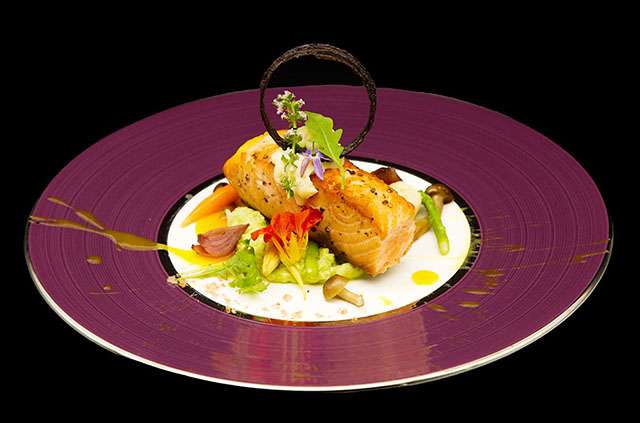
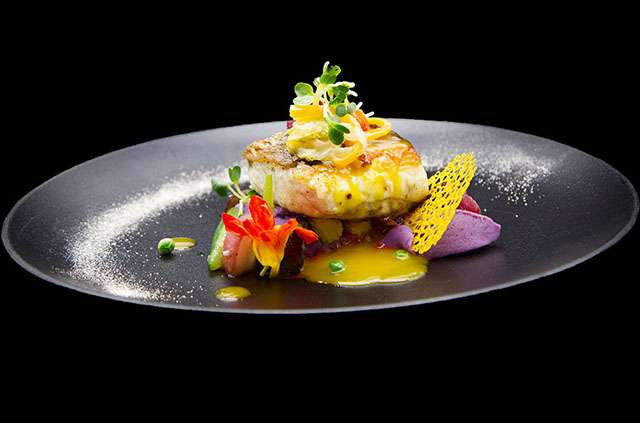
The kitchen’s fusion approach is most visible in the way ingredients are handled. Seafood is treated with restraint so its natural character remains clear, while sauces and accompaniments provide acidity, richness or fragrance. This balance is especially important in Ho Chi Minh City, where tropical produce and fresh herbs can be as central to a dish as the main protein.
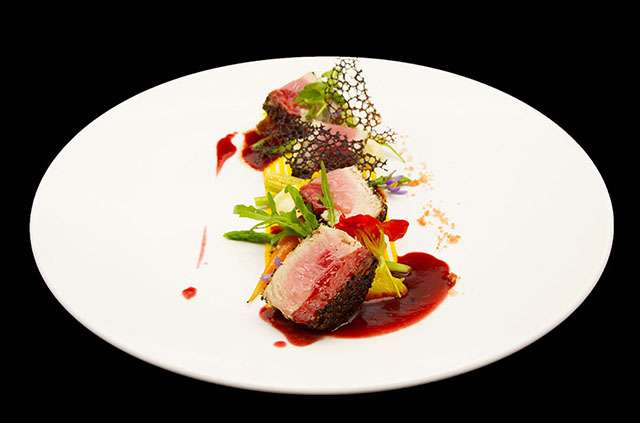
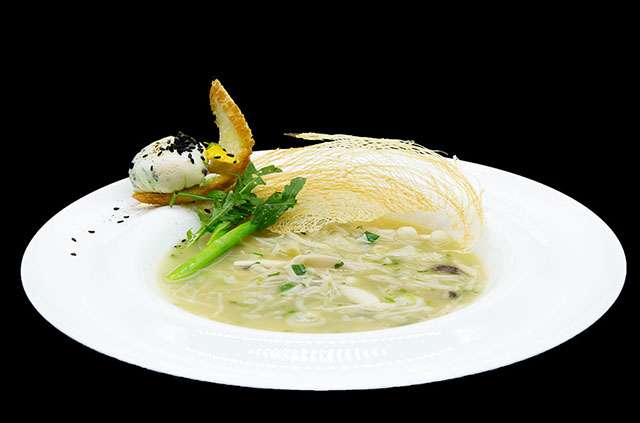
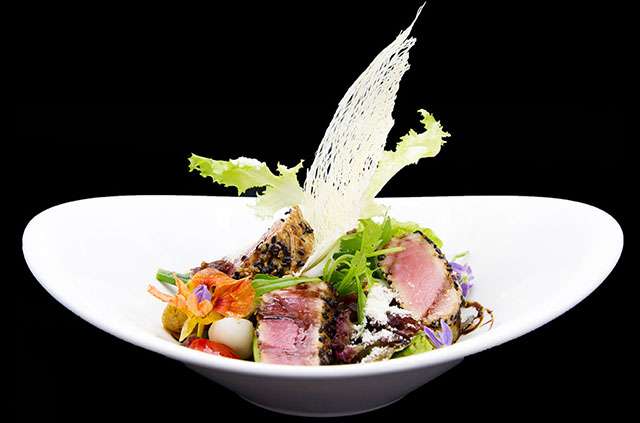
A tuna steak, for example, rewards exact timing. The surface needs colour and seasoning, while the centre should retain its tenderness. Mushroom soup calls for a different kind of attention: a smooth texture, a rounded savoury flavour and enough finesse to work within a multi-course meal. These dishes may sound familiar to Australian guests, yet their Vietnamese accents give them a distinctive local identity.
Rice noodle beef rolls show another side of the menu. They combine the comfort of noodles and beef with the freshness of herbs, dipping elements and delicate wrapping. The kitchen team must keep the rolls neat without making them dense, so every bite has a clean relationship between texture, aroma and sauce.
Timing the Pass During a Busy Service
The pass is where preparation becomes performance. Plates are checked for temperature, proportion and presentation before they reach the dining room. In a fine-dining setting, this final stage matters because a well-cooked dish can lose its impact if it waits too long or arrives without its key garnish.
| Kitchen moment |
What the team focuses on |
What diners experience |
| Preparation |
Stocks, sauces, herbs and portions |
Consistent flavours and efficient service |
| Cooking |
Heat, texture and cooking time |
Seafood and meats served at their best |
| Plating |
Balance, colour and clean presentation |
A composed plate with Vietnamese character |
| Final pass |
Temperature and order coordination |
Smooth pacing across the meal |
| Table service |
Explanation and timing |
A more personal connection to each dish |
The French influence is not about making Vietnamese food unfamiliar. It is about sharpening the details. Duong’s guide to French seafood techniques explains how classical methods can support local seafood without covering up its freshness.
For Australian visitors, the pacing may feel familiar from a special-occasion restaurant in Brisbane or Perth, but the flavours place the experience firmly in Saigon. The combination works particularly well for diners who enjoy sharing discoveries, asking about ingredients and taking time over a meal rather than rushing through courses.
How to Read the Menu From the Dining Room
Watching an open kitchen changes the way guests read a menu. Instead of seeing separate dishes, it becomes easier to notice the flow between them: a light salad can prepare the palate for seafood, while a richer beef or mushroom dish may suit the middle of the meal. Staff can help arrange that sequence according to appetite, dietary needs and the size of the group.
Australian dining culture is increasingly comfortable with this kind of guided experience. A group from Sydney might arrive after a full day of sightseeing, while Melbourne diners may compare the restaurant’s approach with a favourite Flinders Lane spot. Someone saying they are “keen for something fresh” or looking for a relaxed arvo meal can still find a polished experience without excessive formality.
Useful ways to enjoy the open kitchen include:
- Choose a mix of seafood, vegetables and meat to experience different cooking styles.
- Ask the team which dishes best reflect the chef’s Vietnamese and French influences.
- Notice the herbs, sauces and textures that connect the courses.
- Allow enough time for a leisurely meal rather than treating fine dining as a quick stop.
- Mention allergies or dietary preferences when booking and again when seated.
The room’s cosy atmosphere helps keep the experience approachable. Guests can enjoy the visual energy of the cooking line while remaining focused on conversation, wine or the details of each plate. That balance is valuable for Australian travellers who want quality and personality without a stiff dining ritual.
Turning Dinner Into a Special Occasion
An open kitchen creates a closer link between the guest and the people preparing the food. It reveals concentration, coordination and pride in a way a closed kitchen cannot. Even a simple movement, such as a chef checking a sauce or adjusting a garnish, becomes part of the story of the meal.
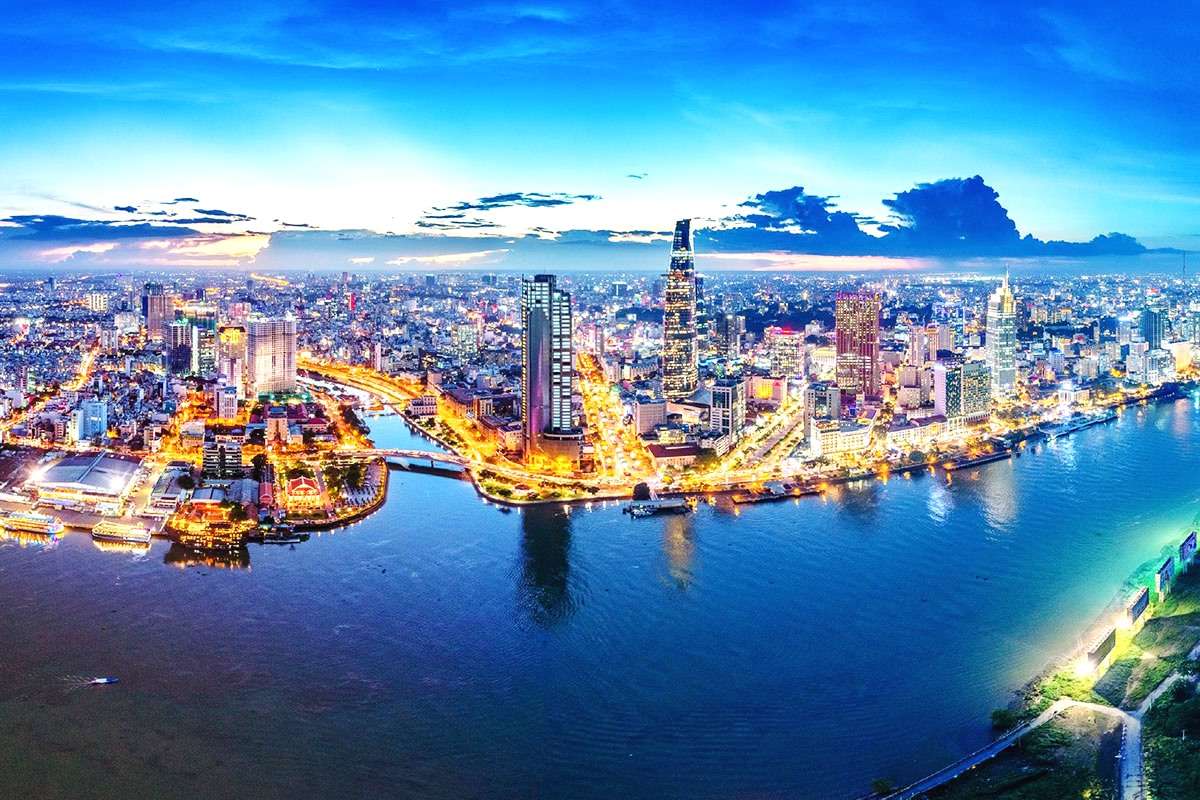
The setting also suits celebrations, business dinners and intimate evenings in District 1. Those planning a birthday, private gathering or group experience can review the reservation details before choosing a date. Booking ahead is sensible during busy travel periods, especially when visitors are fitting dinner around Ben Thanh Market, the Saigon River or an evening walk through the city centre.
For Australian guests, Duong Restaurant Saigon offers more than a meal photographed for the travel album. It is a chance to see how local ingredients, disciplined technique and warm hospitality come together in real time. Reserve a table, settle into the dining room and let the open kitchen provide a close-up view of Saigon’s culinary craft.