Duong Restaurant Saigon’s Guide to Booking Large Groups in District 1
Organising a group dinner in Ho Chi Minh City takes more than choosing a restaurant and counting guests. Date, seating style, dietary needs, arrival times, payment preferences and menu pacing can all affect the experience, especially when your party includes business colleagues, relatives or friends travelling together.
Duong Restaurant Saigon on Dong Du Street offers a comfortable setting for group dining in District 1, with a chef-led menu shaped by Vietnamese ingredients and French technique. A little preparation helps the restaurant create a smoother evening, whether you are arranging a family celebration, a corporate dinner or a relaxed gathering after exploring the city.
Plan The Occasion
Start by deciding what the dinner needs to achieve. A birthday meal may suit a private or semi-private arrangement, while a business gathering may require quieter seating and a more structured service. A group of eight who want to talk comfortably may need a different table layout from twenty guests attending a celebratory dinner.
Consider the rhythm of your day in Saigon as well. Guests arriving from Sydney or Melbourne may be adjusting to a time difference of three hours during Australian standard time, or four hours during daylight saving. A slightly later dinner can feel tiring after a full day of sightseeing, so an early evening booking may be the better choice.
Choose Timing And Group Size
District 1 is especially active around dinner, weekends and major Vietnamese holidays. Dong Du Street is close to hotels, offices, shopping areas and popular attractions, making it convenient, but that central location also means prime tables can be taken quickly. Contact the restaurant well before your preferred date if your party is larger than a regular dining group.
Australian travellers often enjoy a long weekend lunch or an early dinner, particularly when travelling with children or older relatives. If your group is visiting during Sydney or Melbourne school holidays, reserve before flights and accommodation are finalised. Give the restaurant a realistic headcount, then provide an update if numbers change.
Prepare A Useful Booking Brief
A clear booking message saves time and reduces misunderstandings. Include the date, preferred arrival time, number of adults and children, purpose of the event, seating preference and any timing restrictions. Mention whether guests will arrive together or in waves after a meeting or tour.
A concise brief can include the following:
- Preferred date and two alternative time slots
- Confirmed and expected guest numbers
- Celebration, business or family-dining details
- High chairs, accessibility needs or seating requests
- Dietary restrictions, allergies and ingredient concerns
- Preferred payment method and billing arrangement
For Australian diners, pricing questions are worth asking early. At home, displayed consumer prices generally include unavoidable taxes under Australian Consumer Law, while overseas restaurants may present service charges, tax or set-menu prices differently. Ask whether the quoted amount includes drinks, service fees and applicable taxes before confirming a package.
Compare Dining Formats
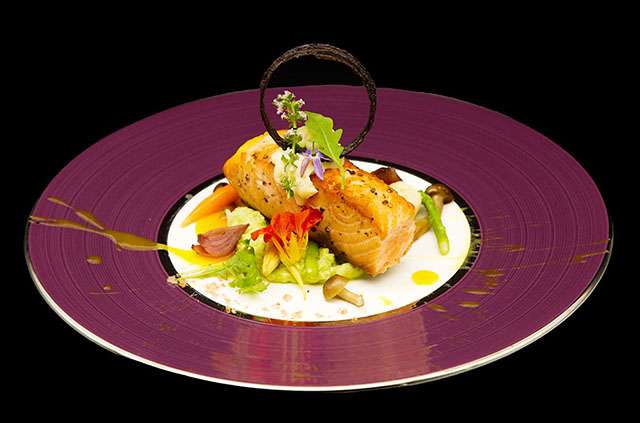
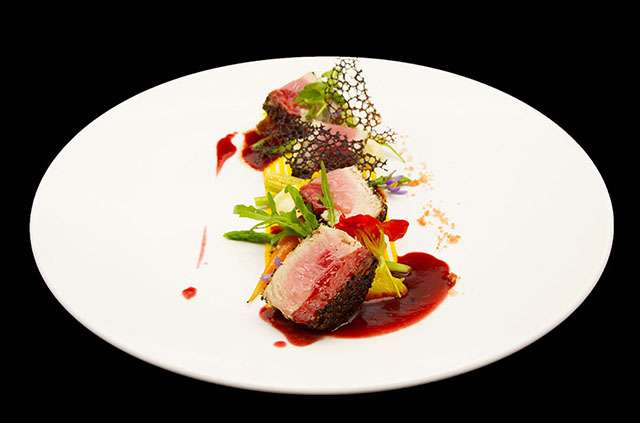
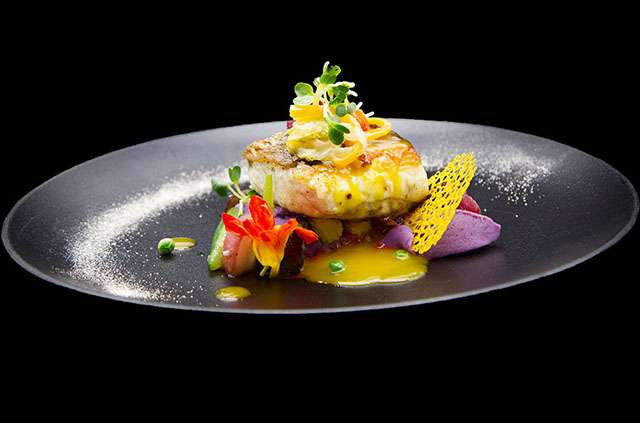
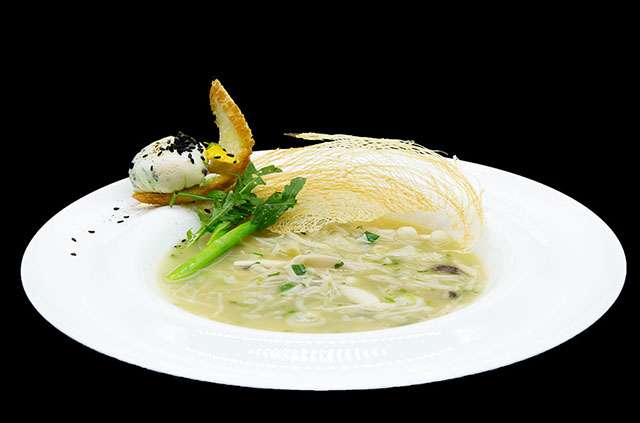
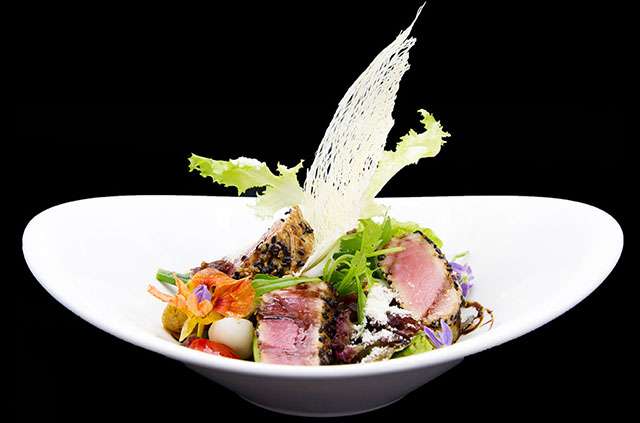
Duong Restaurant Saigon’s Vietnamese-French fusion menu can work well for groups because guests can experience several flavours across the meal. Rice noodle beef rolls, seafood, tuna steak, mushroom soup and fresh salads offer different textures and levels of richness. The best format depends on whether guests prefer individual ordering or a shared progression of dishes.
| Dining format |
Suits |
Points to confirm |
| Individual ordering |
Small groups with varied tastes |
Ordering time and table pacing |
| Shared dishes |
Friends and family who enjoy trying several flavours |
Portion sizes and dietary separation |
| Pre-arranged menu |
Corporate dinners and celebrations |
Inclusions, substitutions and price |
| Course-based service |
Guests wanting a polished fine-dining rhythm |
Arrival time and minimum lead time |
For a formal gathering, a pre-arranged menu can make service more fluid and prevent a large table from waiting while everyone decides. For a casual group, shared plates may create a more social atmosphere. Ask whether the menu can be adjusted for vegetarian guests, seafood allergies or guests who prefer milder flavours.
Coordinate Food And Drinks
Dietary information should be specific rather than general. “No seafood” may mean an allergy to shellfish, a dislike of fish, or a preference to avoid fish sauce. List each requirement clearly and identify severe allergies so the kitchen can advise what is suitable. Guests accustomed to Australian food labelling may expect direct answers about nuts, gluten, dairy and shellfish.
Nuoc cham can add acidity, salt, sweetness and heat to Vietnamese-inspired dishes, but its balance varies by recipe. The guide to nuoc cham texture can help guests understand how this familiar Vietnamese condiment contributes to the restaurant’s fusion style. If some diners prefer less chilli or sauce served separately, include that request in the booking notes.
Drinks should be discussed with the menu rather than treated as an afterthought. Decide whether guests will order individually, share bottles or follow a pairing-style arrangement. Australian groups are often comfortable splitting bills or using contactless card payments, but a large table can be handled more efficiently with one payment or a pre-agreed division. Confirm the restaurant’s preferred process.
Smooth Arrival And Payment
Appoint one organiser as the main contact on the day. That person can check the table, communicate last-minute changes and keep the group moving if guests arrive at different times. Share the restaurant address, booking name and a practical meeting point in advance, since District 1 traffic can make short journeys take longer than expected.
A simple arrival checklist keeps the evening calm:
- Send the booking name and Dong Du Street address to every guest
- Allow extra time for taxis, ride-hailing vehicles and traffic
- Tell the restaurant about late arrivals as soon as possible
- Keep a final guest count ready for the host or manager
- Confirm whether the bill will be paid together or separately
- Check service charges, taxes and drinks before settling
Vietnamese dong is the standard currency, although major cards are commonly accepted at established restaurants. Australian travellers should not assume that every card, mobile wallet or foreign transaction setting will work without issue. Carry a backup payment option and allow a few minutes for the bill to be checked, especially when several courses and drinks are included.
Add A Personal Touch
A group reservation feels more memorable when the restaurant knows what matters to the guests. Tell the team if you are marking an anniversary, welcoming clients, celebrating a birthday or finishing a special city tour. A suitable table, a thoughtful dessert arrangement or well-timed courses can make the occasion feel considered without turning it into a staged event.
For hosts seeking a more tailored celebration, the advice on how to host a private dinner explains ways to shape the experience around the occasion. Share speeches, photographs or entertainment plans before the day, since these may affect seating, timing and service.
The restaurant’s cozy atmosphere is well suited to conversation, while its Vietnamese-inspired menu gives visitors an opportunity to explore local flavours in a polished setting. Keep speeches brief, avoid moving guests between courses and allow time for the kitchen to serve dishes at a comfortable pace.
Send Duong Restaurant Saigon your preferred date, group size and dining style as early as possible. With clear details about food, timing, seating and payment, your large-group booking in District 1 can become a relaxed, well-paced evening that guests remember for the right reasons.