Duong Restaurant Saigon’s Guide to Vietnamese Teas and Their Pairings
Vietnamese tea is more than a refreshing drink served after a meal. It is part of the country’s hospitality, daily rhythm, and culinary identity. From fragrant lotus tea to strong, earthy green tea, each style brings a different aroma and texture to the table.
At Duong Restaurant Saigon on Dong Du Street, tea can offer a graceful bridge between Vietnamese ingredients and French-inspired dining. A carefully selected cup may refresh the palate after a rich sauce, soften the heat of herbs and spices, or highlight the delicate flavors of seafood and vegetables.
Understanding the main varieties makes it easier to enjoy Vietnamese tea with intention. Whether you are planning a fine-dining evening, exploring District 1, or looking for a calm way to finish a meal, these pairings provide a useful starting point.
The Character Of Vietnamese Tea
Green tea is one of the most familiar Vietnamese teas. Its flavor can range from lightly sweet and vegetal to pleasantly astringent, with a clean finish that works especially well alongside savory foods. Brewed too strongly, it may become bitter, so temperature and steeping time matter.
Lotus tea is among Vietnam’s most distinctive specialties. Traditionally scented with lotus blossoms, it has a soft floral perfume and an elegant, slightly sweet character. Jasmine tea offers a similarly aromatic experience, though its fragrance tends to be brighter and more immediately pronounced.
Other options include artichoke tea, which has a gentle sweetness and herbal quality, and roasted teas with deeper, toasted notes. These varieties are often enjoyed for their soothing character and can be especially appealing after a substantial meal.
Matching Tea With Vietnamese Flavors
Vietnamese cuisine balances salty, sour, sweet, bitter, and spicy notes. Tea should support that balance rather than compete with it. A fresh green tea can cut through fried or rich ingredients, while a floral tea brings delicacy to mild seafood, steamed vegetables, and lightly seasoned dishes.
For a meal featuring beef, grilled meats, or savory rice noodle dishes, a more robust green tea gives the palate a clean reset between bites. Guests exploring the city’s celebrated cuisine can also browse these classic Saigon dishes for ideas about how local flavors vary in intensity.
Lotus and jasmine teas are especially effective with dishes containing fresh herbs, citrus, and gentle seasoning. Their fragrance echoes ingredients such as basil, mint, lemongrass, and coriander without adding heaviness. For spicy food, a lightly brewed tea is usually more refreshing than a concentrated cup.
Tea Pairings At The Dining Table
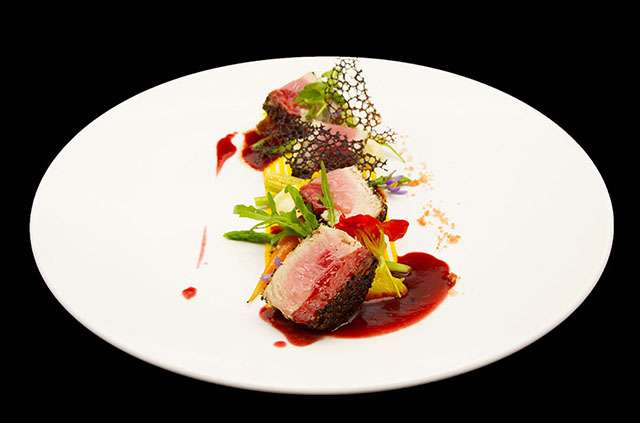
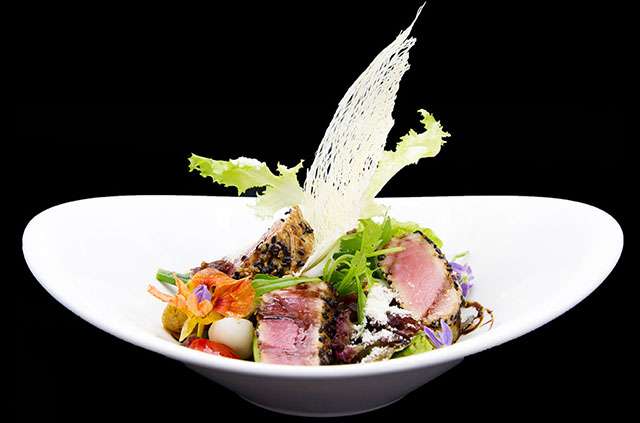
Seafood benefits from subtle, aromatic teas. Lotus tea can complement tuna steak, prawns, or delicate white fish because its floral notes enhance rather than mask the natural sweetness of the ingredients. Jasmine tea is also a strong choice when a dish includes ginger, lime, or a light herb dressing.
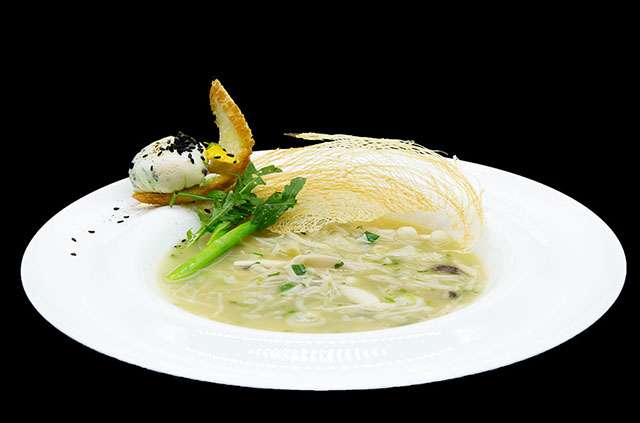
Mushroom soup and other earthy dishes pair well with roasted or lightly toasted tea. The warm, nutty profile brings out the umami character of mushrooms while adding contrast to a creamy or velvety texture. A clean green tea works when the soup is lighter and more broth-based.
With rice noodle beef rolls or other beef-centered plates, choose tea according to the sauce. A brisk green tea handles salty, tangy, or slightly sweet dipping sauces, while an herbal infusion can create a softer finish. Duong’s approach to Vietnamese-French flavor combinations can be explored through its discussion of how béarnaise meets nước chấm, where sauce texture and acidity become central to the pairing.
| Vietnamese tea |
Flavor profile |
Best food matches |
Serving approach |
| Green tea |
Fresh, vegetal, lightly astringent |
Beef rolls, salads, fried dishes |
Serve warm or lightly chilled |
| Lotus tea |
Floral, soft, gently sweet |
Tuna, seafood, steamed vegetables |
Brew delicately to preserve aroma |
| Jasmine tea |
Fragrant, bright, floral |
Herb-rich dishes, chicken, mild seafood |
Serve warm between courses |
| Artichoke tea |
Mild, herbal, naturally sweet |
Vegetables, light soups, fruit-based desserts |
Enjoy warm after a meal |
| Roasted tea |
Toasted, nutty, rounded |
Mushroom soup, grilled meats, rich sauces |
Serve hot in smaller cups |
Balancing Temperature And Strength
Tea temperature can change the way a dish tastes. Warm tea emphasizes aroma and creates a comforting rhythm, which is ideal for a leisurely dinner. Chilled tea is more refreshing in Ho Chi Minh City’s warm climate, particularly with salads, seafood, or dishes containing chili.
Strength is equally important. Strong green tea may overwhelm a delicate salad or floral dessert, while a weak brew can disappear beside grilled beef or a bold dipping sauce. When pairing tea at home, begin with a shorter infusion and add brewing time gradually.
Sugar is usually unnecessary with high-quality Vietnamese tea, especially when the meal already includes sweet sauces or caramelized ingredients. Floral teas may taste naturally sweet because of their aroma, while artichoke tea can provide a mild sweetness without changing the character of a dish.
Creating A Tea-Led Dining Experience
A tea-led meal can follow the same progression as a carefully designed menu. Begin with green or jasmine tea alongside fresh salads and lighter starters. Move toward roasted tea or a stronger green tea with grilled, braised, or mushroom-based courses. Finish with lotus or artichoke tea for a calm, aromatic close.
At Duong Restaurant Saigon, the cozy dining room and chef-led menu create a natural setting for this progression. Rather than treating tea as an afterthought, diners can use it to notice transitions in flavor, from bright herbs and citrus to richer sauces and slow-building savory notes.
Tea also works well as a pause between courses. A few unhurried sips cleanse the palate and allow the character of each dish to remain distinct. This is particularly useful during a fine-dining meal where several textures and seasonings appear in succession.
Simple Pairing Principles To Remember
A few practical guidelines can make Vietnamese tea selection easier, whether dining at Duong or preparing a meal at home.
- Choose green tea for rich, salty, fried, or beef-based dishes.
- Select lotus or jasmine tea for seafood, herbs, salads, and delicate sauces.
- Use roasted tea with mushrooms, grilled meats, and dishes with deep umami.
- Keep floral teas lightly brewed so their fragrance remains clear.
- Finish with artichoke or lotus tea when you want a gentle, soothing aftertaste.
The best pairing is also shaped by personal preference. Some diners enjoy the contrast between a brisk tea and a creamy sauce, while others prefer aromatic harmony between floral tea and fresh herbs. Sampling different combinations is part of the pleasure.
Pair Tea With A Saigon Evening
A visit to Duong Restaurant Saigon can become part of a wider District 1 itinerary. After dinner, guests may continue through the city’s historic streets or visit nearby landmarks such as the Reunification Palace, combining Vietnamese history, architecture, and cuisine in one evening.
Reserve time to enjoy the meal without rushing, and ask the team about the tea that best suits your chosen dishes. With the right pairing, every course can feel more balanced, expressive, and connected to the flavors of Vietnam. Book your table at Duong Restaurant Saigon and make Vietnamese tea part of your next dining experience.