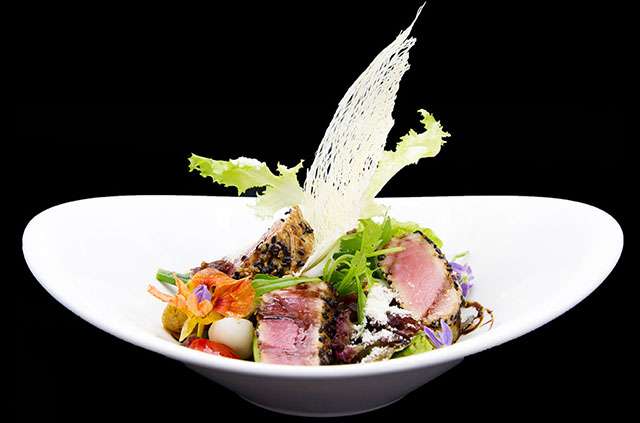
Duong Restaurant Saigon's Vietnamese twist on French onion soup
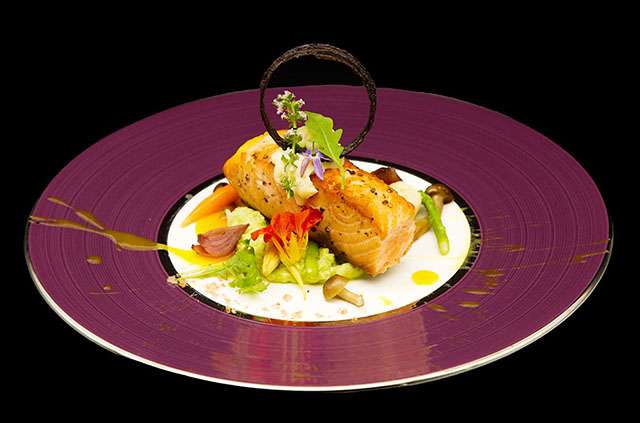
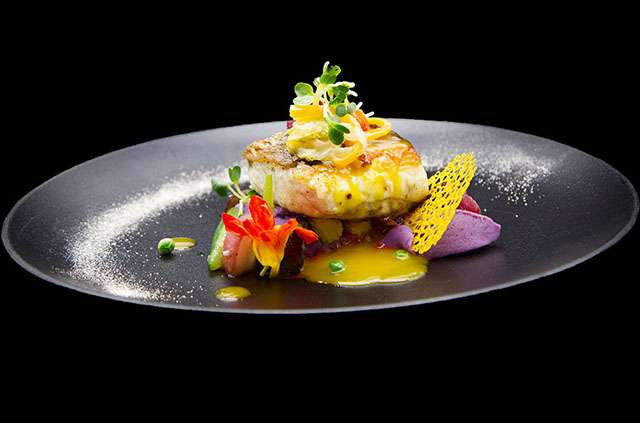
Tucked along Dong Du Street in District 1, Duong Restaurant Saigon has built a quiet reputation for chef-led fusion plating that respects the bones of two culinary traditions. Its kitchen turns to Vietnamese wet markets at dawn and to French technique honed over centuries, finding common ground in broth, butter, and slow-cooked flavour. The menu reads like a meeting place where gruyere meets galangal without either ingredient losing its voice.
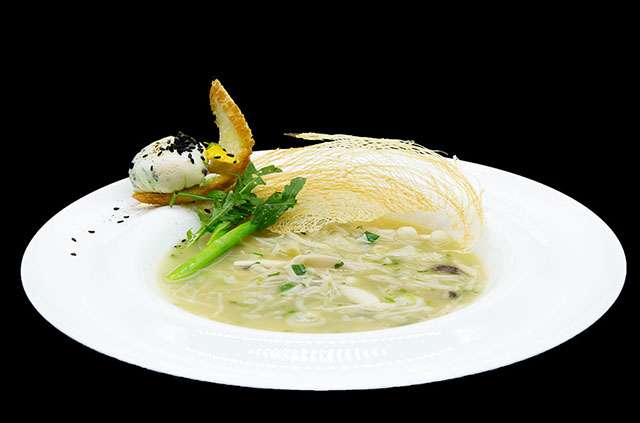
Few dishes show off that dialogue better than a bowl of onion soup. It arrives looking every bit the Parisian cafe standard, yet the first spoonful reveals a quiet conversation between a French country kitchen and the streets of Saigon. For diners curious about where classic European comfort ends and Vietnamese flavour begins, this bowl is one of the most informative answers on the menu.
The roots of a comforting classic
French onion soup began as a market-stall supper in old Lyon, a way to soften stale baguette and stretch a beef carcass across many servings. By the time it had crossed the Atlantic, it had become shorthand for bistro indulgence, with dark caramel, a salty Gruyere crown, and a slice of toasted bread floating just above the broth. The dish endures because it answers a craving most people share, a hot savoury bowl that feels like a long lunch on a chilly afternoon.
Duong's cooks studied that lineage before deciding to bend it. They wanted the warmth and weight of the original, but with a finish that felt native to the Mekong Delta rather than the Left Bank. That meant reworking the broth from the bottom up instead of simply garnishing the classic with herbs.
How the kitchen reworks the bowl
The shift happens quietly, in the simmer pot rather than at the table. A traditional onion soup leans on beef stock, thyme, bay, and a long, slow cook on yellow onions. Duong's version keeps the bones and the time but adds a few Vietnamese accents that show up only if you slow down between spoonfuls.
| Element |
Classic French onion soup |
Duong Restaurant Saigon's version |
| Stock |
Beef or veal simmered for hours |
Beef and pork bone broth with charred ginger |
| Aromatics |
Thyme, bay leaf, black pepper |
Star anise, lemongrass, white pepper |
| Sweetness |
White sugar for balanced caramel |
Palm sugar with the natural sweetness of slow onions |
| Cheese |
Gruyere or Comté, broiled until bubbly |
Aged Gruyere with a small crown of Vietnamese pork pâté |
| Bread |
Buttered baguette, toasted |
Garlic-rubbed baguette with a touch of pork fat |
The table makes the negotiation visible. Each column still reads like the soup you expect, yet the centre of gravity has shifted south. The onions are still cooked low for nearly an hour until they collapse into silk, but the liquid beneath carries umami the original never claimed. For Australians who have eaten through Melbourne's French-leaning bistros or queued for onion soup at Sydney's older establishments, the bowl reads as a friendly update rather than a reinvention.
The Vietnamese ingredients that change the broth
What surprises most first-time diners is how restrained the accents feel. Star anise enters the simmer early and is removed before serving, leaving a faint liquorice hum rather than a heavy perfume. Fish sauce is added by the spoon, tasted, and sometimes held back entirely if the broth already feels balanced.
That kind of editing takes time the kitchen clearly has. Aromatics are swept away once their work is done, leaving a soup that tastes, at heart, of slow-cooked onion and well-made stock. The Vietnam comes through as a finishing note, the way good pho lets its bones speak instead of its spice. Diners who order the crisp battered seafood alongside will notice the same restraint, fried golden and bright rather than buried in sauce.
Where the bowl sits on the bigger menu
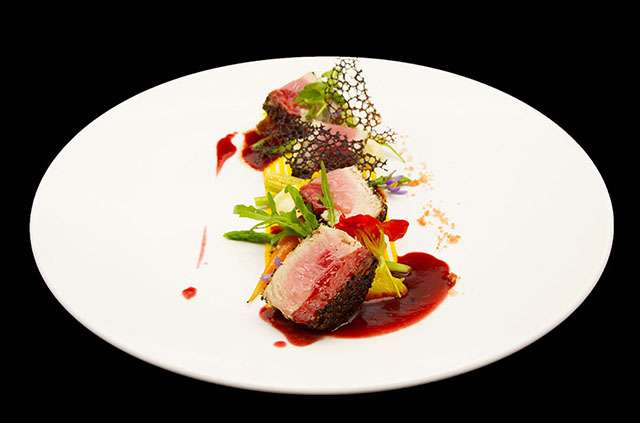
The onion soup is not a one-off flourish. It shares its broth philosophy with the kitchen's noodle salads, mushroom soup, and tuna steak, all of which treat Vietnamese herbs as seasoning rather than theme. The chef wants the room to walk away thinking about balance, not labels, and that shapes every plate that leaves the kitchen.
For travellers with only a few meals in Ho Chi Minh City, this bowl often answers the question of what and where to eat across the city. Diners who want to plan a broader tasting can scan the complete Saigon eating guide before flying out, mapping seafood, noodle rolls, and grilled mains onto the same broth-first philosophy the kitchen follows here.
Pairing notes for Australian diners
Australian wine culture has caught up to French onion soup long before Vietnamese versions appeared in dining rooms from Sydney to Brisbane. A young Hunter Valley Semillon can take the cheese without flattening the broth's sweetness, while a Barossa Shiraz turns the bowl into a heartier winter meal. Those who skip alcohol often pair the soup with jasmine tea, which softens the salt without competing with the spice.
A few ways to get the most from the bowl:
- Order a small salad first if you want the cheese to lead rather than centre the meal.
- Ask the server how long the onions have been cooking that day; the answer tells you how deep the caramel will read.
- Try the baguette on its own before adding cheese, so the broth's seasoning speaks clearly.
- If you flew in from Sydney or Melbourne, let your palate settle for ten minutes before judging the broth's salinity.
- Reach for a Margaret River Sauvignon Blanc when you want the citrus notes of fish sauce to come forward.
- Save room for a Vietnamese dish after the soup, since the menu moves from French warmth to herbal brightness.
Inside the room on Dong Du Street
The space itself is built for slow dining, with wood tables, soft lighting, and a menu written to be read carefully. Diners who arrive for a cooler evening often start with the onion soup and follow it with a noodle salad, while regulars know to treat the bowl as the centrepiece of a longer meal. The kitchen can pace each serving, which matters when a dish leans on texture as much as taste.
The room is intimate enough that requests travel quickly to the chef, especially around spice level. Many Australian guests say they came in expecting a novelty and left thinking about the broth. That shift, from curiosity to quiet agreement, is the kind of compliment the kitchen aims for.
Reservations can be made through the restaurant's website, where the team shares the latest menu, photographs of the dining room, and notes on what is in season at the local markets. A short note ahead lets the kitchen know whether the diner prefers the Vietnamese notes to sit quietly or land firmly in the foreground, so the bowl arrives exactly the way the table wants to meet it.