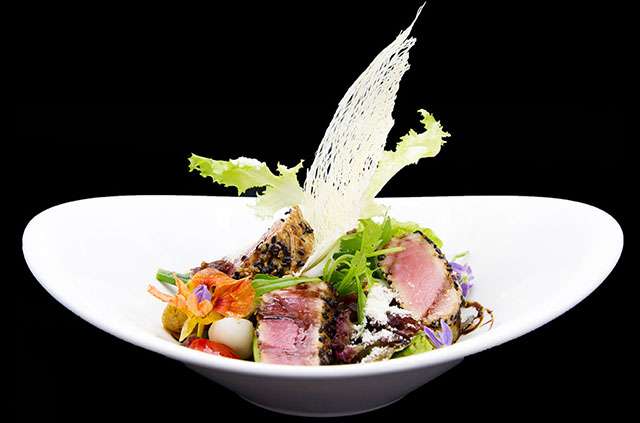
How Duong Restaurant Saigon Creates Light And Crispy Battered Seafood
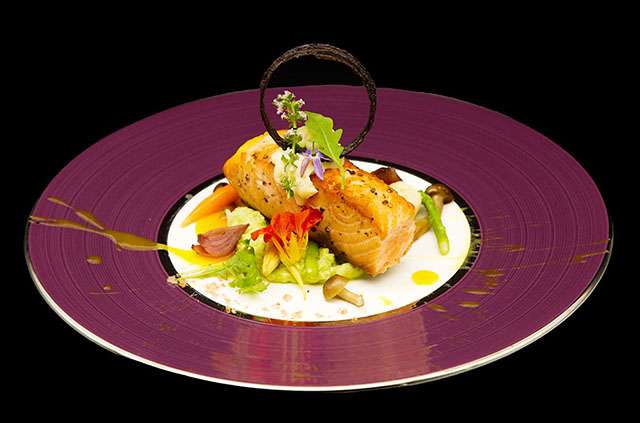
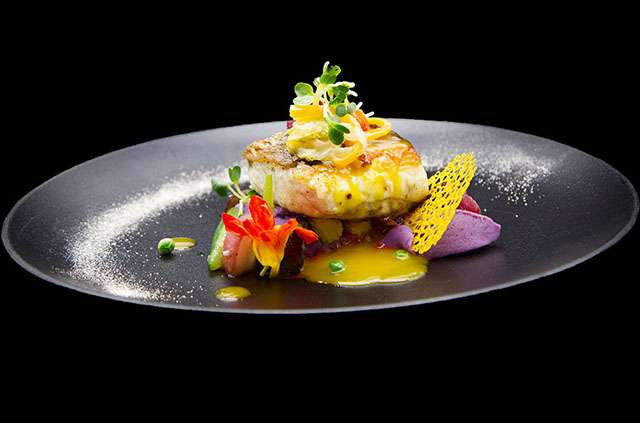
At Duong Restaurant Saigon, battered seafood is designed to feel delicate rather than heavy. The aim is a fine, crisp coating that protects the natural sweetness of prawns, squid, fish, or other fresh catches while keeping each bite clean and easy to enjoy.
This style reflects the restaurant’s broader Vietnamese and French fusion approach. French cooking contributes precision and restraint, while Vietnamese flavours bring herbs, aromatic spices, acidity, and a lively balance. For Australian diners accustomed to quality seafood in Sydney, Melbourne, Brisbane, and coastal markets, the result is familiar in principle yet distinctly Saigon in character.
Starting With Fresh Seafood And Careful Preparation
A crisp batter cannot rescue seafood that has been handled poorly. The process begins with properly cleaned and thoroughly chilled ingredients. Excess moisture is removed from the surface, because water can make the coating slide away or create steam that softens the crust during frying.
Portion size matters as well. Smaller prawns, neat pieces of white fish, and evenly cut squid cook at a similar rate to their coating. This helps the seafood remain tender while the batter turns golden. It also creates a more refined presentation, suited to a relaxed fine-dining meal rather than a large, heavily coated takeaway serve.
Freshness is especially important for Australian guests, who often compare seafood dishes with produce from Sydney Fish Market, Melbourne’s Queen Victoria Market, or local coastal fishmongers. The clean flavour of the seafood should remain noticeable beneath the crisp exterior.
Building A Delicate Vietnamese-Style Batter
The batter is kept light through a considered balance of flour, starch, liquid, and seasoning. Wheat flour provides structure, while starch helps create a thinner, more brittle shell. Cold liquid slows gluten development, preventing the coating from becoming chewy or bread-like.
Seasoning is layered into the mixture and the accompanying sauce rather than relying on excessive salt in the crust. Aromatics such as garlic, pepper, lemongrass, chilli, and herbs can add fragrance without making the batter dense. Duong’s guide to local spices explains how Vietnamese ingredients are used to create this kind of balance.
The consistency is crucial. A batter that is too thin will leave gaps and provide little protection; one that is too thick can hide the seafood’s texture. The ideal coating clings lightly, forming an irregular surface that catches the light and delivers a gentle crunch.
How Heat Creates The Crisp Finish
Oil temperature has a direct effect on texture. If the oil is too cool, the batter absorbs excess fat and becomes soft. If it is too hot, the outside colours quickly while the seafood inside remains undercooked. A steady high heat allows moisture to escape rapidly and produces a dry, airy crust.
The kitchen also avoids overcrowding the fryer. Adding too many pieces at once causes the oil temperature to drop, which can result in pale, greasy batter. Small batches give each portion enough room to cook evenly and develop a consistent golden colour.
| Cooking choice |
Effect on the seafood |
Result on the plate |
| Cold batter |
Slows gluten formation |
Finer, lighter coating |
| Dry seafood surface |
Helps batter adhere |
Even crust with fewer gaps |
| Stable oil temperature |
Controls moisture release |
Crisp outside, tender centre |
| Small frying batches |
Prevents heat loss |
More consistent colour and texture |
| Short draining time |
Limits trapped oil |
Cleaner finish and less heaviness |
Once fried, the seafood is drained briefly rather than left sitting in a deep layer of oil. Timing matters because steam continues to move through the coating after the seafood leaves the fryer. Serving it promptly preserves the contrast between the brittle exterior and juicy centre.
Balancing Crisp Seafood With Fresh Flavours
Vietnamese-inspired seafood is rarely served as a single heavy element. Fresh herbs, salad leaves, pickled vegetables, cucumber, citrus, and aromatic dipping sauces can cut through the richness of the frying process. A little acidity makes the crust taste brighter and allows the seafood to remain the focus.
This balance suits Australian dining habits, where guests often prefer shareable plates, clean flavours, and a clear sense of ingredient quality. It also works well with the long-lunch culture found in Melbourne and Sydney, when a crisp seafood dish can be enjoyed alongside salads, rice, or other small plates without overwhelming the meal.
Sauce placement is carefully considered. A dip served separately keeps the batter crisp for longer, while a light drizzle can add fragrance without saturating the crust. Chilli, lime, fish sauce, herbs, and subtle sweetness may be combined to create a sauce that feels vivid rather than overly rich.
From Saigon Markets To The Restaurant Table
The ingredients and flavour ideas behind the dish connect with everyday food culture in Ho Chi Minh City. Markets such as Bình Tây are important sources of herbs, spices, seafood, and other produce, and the restaurant’s Bình Tây Market guide offers useful context for visitors interested in that local food world.
That market influence can be seen in the way a simple fried coating becomes more expressive through fresh aromatics and dipping sauces. French technique may shape the discipline of the preparation, yet the overall flavour remains connected to Vietnamese ingredients and the lively food culture of Saigon.
For Australian travellers, this creates a dish that bridges two familiar ideas: the pleasure of well-cooked seafood and the excitement of discovering a new regional flavour profile. It can appeal to diners who enjoy fish and chips, tempura, or calamari while offering a more fragrant, layered finish.
Details That Help Diners Appreciate The Dish
The best way to enjoy battered seafood is soon after it reaches the table. The first bite reveals the contrast in temperature and texture: a crisp shell, tender seafood, aromatic seasoning, and a bright accompaniment. Eating it promptly also prevents sauces and steam from softening the coating.
These practical choices help the dish feel elegant without becoming fussy. The emphasis remains on careful preparation, fresh produce, and a pleasing rhythm of crunch, tenderness, acidity, and fragrance.
- Choose pieces with a thin, even coating rather than a thick fried shell.
- Notice the seafood’s natural sweetness beneath the seasoning.
- Try the dipping sauce separately before combining it with the crust.
- Add herbs, salad, or pickles between bites to refresh the palate.
- Enjoy the dish soon after serving for the best texture.
A meal at Duong Restaurant Saigon brings this approach together in a comfortable District 1 setting. Reserve a table to experience the chef-led menu, Vietnamese and French influences, and carefully prepared seafood while discovering a lighter side of Saigon dining.