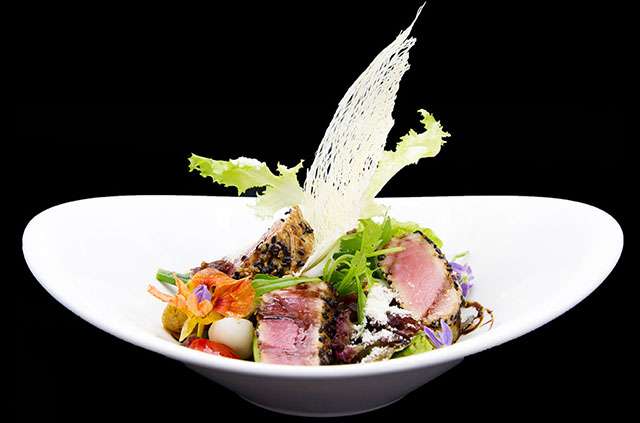
Duong Restaurant Saigon’s Take on Vietnamese Spring Rolls
Vietnamese spring rolls are built around contrast: crisp vegetables, fragrant herbs, delicate wrappers, and a dipping sauce that brings every element together. They can be fresh and light, fried and savory, or shaped by the ingredients of a particular region. At a fine dining restaurant, the familiar format becomes an opportunity to refine texture, balance, and presentation.
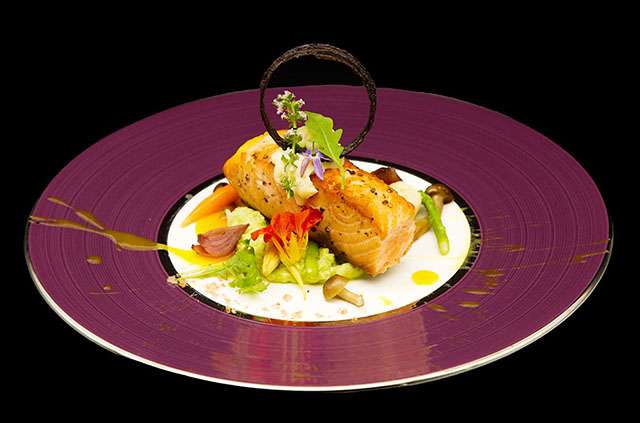
At Duong Restaurant Saigon, this Vietnamese classic fits naturally into a chef-led approach that draws on local ingredients while welcoming French culinary influence. The result is less about changing the identity of a spring roll and more about showing how carefully selected fillings, sauces, and plating can give it a polished Saigon character.
Located on Dong Du Street in District 1, the restaurant offers a cozy setting for exploring Vietnamese-inspired dishes, from rice noodle beef rolls and seafood to salads, soups, and contemporary preparations. Spring rolls are best understood as part of this broader dining style: recognizable, fresh, and thoughtfully composed.
A Familiar Vietnamese Classic With Fine Dining Detail
Traditional Vietnamese spring rolls generally fall into two broad categories. Fresh rolls use softened rice paper wrapped around herbs, noodles, vegetables, and a protein such as shrimp or pork. Fried rolls rely on a thin pastry wrapper that turns golden and crisp around a seasoned filling. Both styles depend on balance rather than heaviness.
A restaurant interpretation can make that balance more precise. The wrapper should remain delicate, the filling should have a clear central flavor, and the herbs should contribute freshness instead of becoming an afterthought. At Duong, the appeal lies in presenting these familiar Vietnamese flavors with the care expected from a fine dining kitchen.
Freshness, Texture, and Vietnamese Aromatics
The best fresh spring rolls offer several sensations in one bite. Rice paper provides a soft, slightly elastic exterior, while lettuce, cucumber, herbs, or bean sprouts add snap. Noodles make the roll satisfying, and seafood or meat gives it depth. The combination feels substantial without becoming rich.
A carefully prepared roll also depends on restraint. Too much filling can make the wrapper tear or overwhelm the herbs; too much sauce can hide the ingredients. Vietnamese mint, basil, coriander, and other aromatic greens should remain noticeable, especially when paired with seafood or a mild protein.
This attention to freshness connects spring rolls with the wider character of Vietnamese cuisine in Saigon. The cooking is often lively and layered, yet it leaves room for clean flavors and contrasting textures.
The Role of Sauce in Every Bite
Sauce is the element that ties a spring roll together. A traditional nước chấm may bring fish sauce, lime, sugar, garlic, and chili into a bright, savory combination. Peanut-based sauces offer a rounder, fuller finish, while a lighter herb or citrus dressing can suit delicate seafood.
A French-inspired interpretation may introduce a smoother emulsion, a refined reduction, or a more subtle use of butter and acidity. The purpose should remain the same: to sharpen the filling and create harmony between the wrapper, herbs, protein, and garnish. Duong’s approach to the subject can be considered alongside its discussion of French sauce pairings, particularly when seafood is part of the plate.
| Element |
Vietnamese expression |
Refined restaurant approach |
| Wrapper |
Soft rice paper or crisp fried pastry |
Delicate handling and precise texture |
| Filling |
Herbs, noodles, vegetables, seafood, or meat |
Focused combinations with balanced portions |
| Sauce |
Nước chấm, chili, lime, or peanut sauce |
Carefully adjusted acidity, richness, and aroma |
| Garnish |
Fresh herbs and vegetables |
Clean presentation that keeps flavors visible |
| Overall effect |
Light, lively, and satisfying |
Familiar flavors with a polished finish |
Seafood, Beef, and Seasonal Possibilities
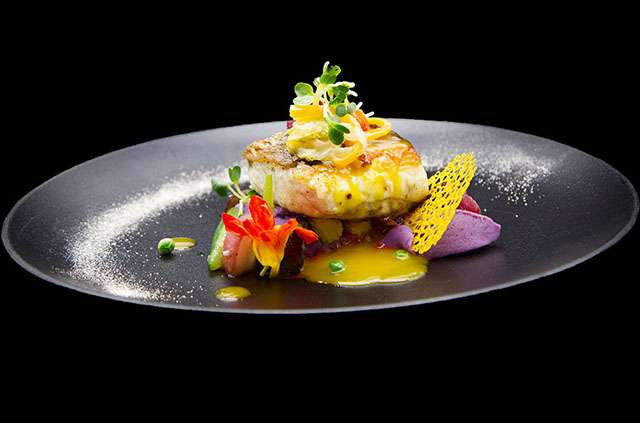
Seafood is especially well suited to a fresh roll because its natural sweetness benefits from herbs, citrus, and a gently seasoned sauce. Shrimp, crab, or other seafood can create an elegant filling when paired with crisp vegetables and a light wrapper. The dish remains refreshing while still offering enough flavor for a fine dining setting.
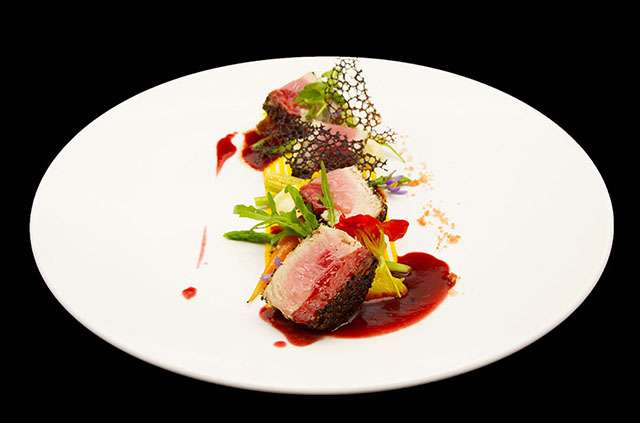
Beef brings a deeper, more savory profile. It can work with rice noodles, herbs, and pickled vegetables, creating a contrast between richness and brightness. This same balance appears in Vietnamese rice noodle beef rolls, a style that reflects how familiar ingredients can be arranged into a more composed dining experience.
Seasonality also gives a chef room to vary the filling and accompanying sauce. Fresh produce may shift with availability, while the overall structure remains recognizable. That flexibility is one reason spring rolls continue to feel current in both casual street food and contemporary Vietnamese restaurants.
How the Dish Fits a Saigon Dining Experience
Spring rolls are often associated with informal meals, shared plates, and quick bites. In a restaurant setting, they can serve a different purpose. A fresh roll makes an appealing opening course, while a fried version can provide a crisp contrast beside salads, seafood, or a more substantial main dish.
The atmosphere matters as much as the recipe. At Duong Restaurant Saigon, the cozy dining room and attentive service create space to notice the details of presentation and flavor. Guests looking for a broader overview of the restaurant, its location, and reservation information can visit Duong Restaurant Saigon before planning a meal.
A spring roll also works well as part of a shared Vietnamese meal. Its freshness can prepare the palate for richer dishes, and its dipping sauce offers a small but memorable expression of the kitchen’s style.
Ways to Appreciate the Flavors
The most enjoyable approach is to treat a spring roll as a composed bite rather than a simple wrapper around filling. Notice how the texture changes from the first crunch or softness to the finish of herbs and sauce. Small differences in acidity, heat, and sweetness can significantly alter the experience.
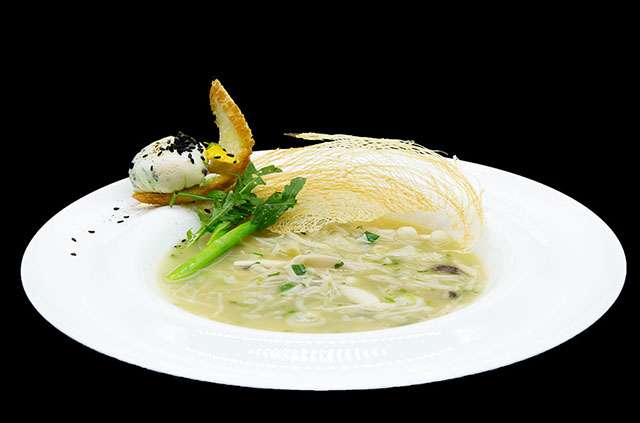
For a more complete meal, consider how the roll interacts with other dishes on the table. Seafood, salads, mushroom soup, and noodle-based preparations can create a varied progression from fresh and aromatic to warm and savory. A set menu may also provide a practical way to experience several elements of the restaurant’s Vietnamese and French fusion style; the available set menu offers useful planning information.
- Start with a fresh roll when you want a light, herb-forward opening.
- Try the sauce separately first so you can identify its acidity, sweetness, and heat.
- Pair seafood rolls with crisp, citrus-led flavors and aromatic herbs.
- Share different preparations to compare soft rice paper with fried textures.
- Allow the roll to complement the meal rather than dominate every course.
Vietnamese spring rolls remain compelling because they are simple in structure but rich in possibilities. At Duong Restaurant Saigon, that simplicity can be shaped through fine ingredients, careful technique, and a considered relationship between Vietnamese tradition and French culinary detail.
For a relaxed fine dining experience in District 1, browse the current menu and reserve a table at Duong Restaurant Saigon to discover how familiar Vietnamese flavors can be presented with a fresh, polished perspective.