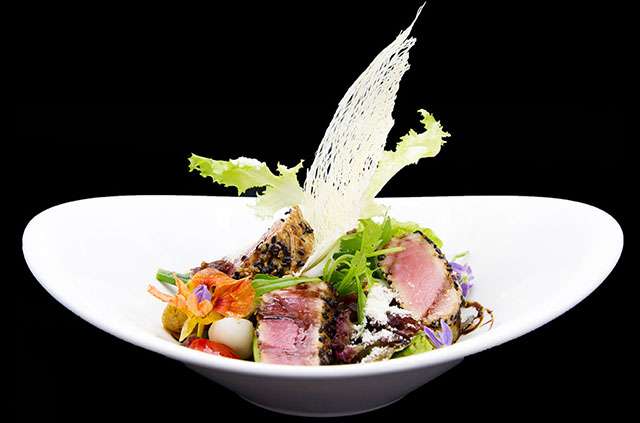
French Sauces and Vietnamese Seafood at Duong Restaurant Saigon
French culinary technique and Vietnamese flavor can meet beautifully on the same plate. Butter, cream, wine, herbs, and reduced stocks bring structure to seafood, while ingredients such as lime, fish sauce, ginger, lemongrass, chili, and fresh herbs add brightness and depth.
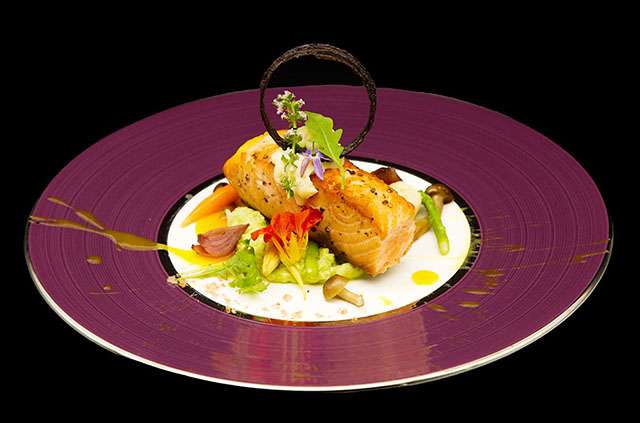
At Duong Restaurant Saigon on Dong Du Street, this fusion feels especially natural. The restaurant’s chef-led approach allows familiar Vietnamese ingredients to be presented with refined French methods, creating dishes that feel elegant without losing their local character.
Seafood is particularly well suited to this style of cooking. Its delicate texture can carry a smooth sauce, while its clean flavor gives aromatic Vietnamese seasonings room to stand out. The result is a dining experience shaped by balance rather than heavy decoration.
Why French Technique Suits Vietnamese Seafood
French sauces are built around concentration, texture, and careful seasoning. A beurre blanc can give fish a silky finish, while a light velouté adds body without overwhelming prawns, scallops, or other seafood. Reductions bring intensity in small amounts, making them useful for fine dining portions.
Vietnamese cuisine contributes a different kind of complexity. Citrus, herbs, fermented fish sauce, and aromatic roots create sharp, fragrant contrasts. When these elements are used with restraint, they can refresh a classic French sauce and make it more expressive.
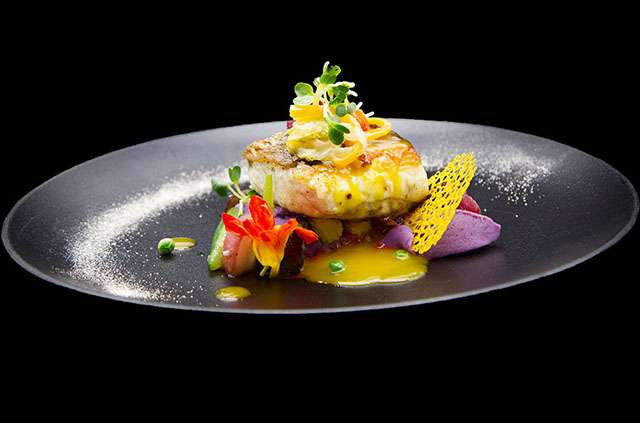
The pairing works best when the sauce supports the seafood’s natural sweetness. A delicate white fish may need a light herb and citrus emulsion, while robust tuna can stand up to a deeper reduction with pepper, shallot, or a touch of caramelized fish sauce.
Seafood Ingredients With Distinctive Character
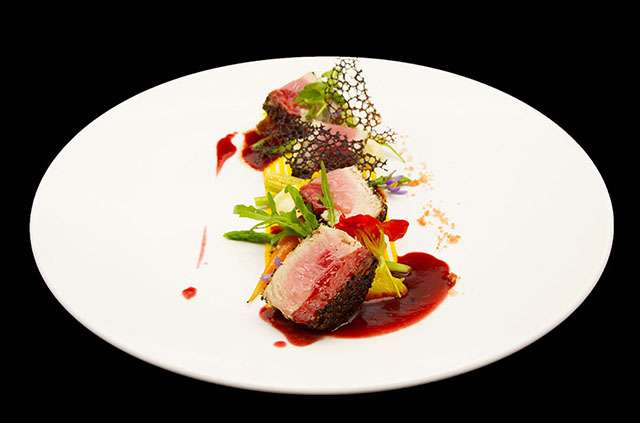
Tuna has a firm texture and rich flavor, so it pairs well with sauces that have acidity and aromatic lift. A red wine reduction may be too forceful if served heavily, but a restrained pepper sauce, lime beurre blanc, or shallot reduction can complement the fish without masking it.
Shellfish and prawns respond well to garlic, lemongrass, ginger, and white wine. These ingredients can be incorporated into a French-style sauce base, then finished with butter or cream for a smooth consistency. A few drops of lime juice at the end help keep the dish fresh.
Rice noodle beef rolls are not seafood, but they illustrate an important principle in Vietnamese-inspired cooking: texture matters as much as flavor. A rich sauce should be balanced by something crisp, fresh, or lightly acidic. The same idea applies to seafood served with herbs, salads, or delicate vegetables.
Guests exploring local food before or after a fine dining reservation may enjoy these Saigon street eats, where bold seasoning and contrasting textures offer a useful reference for understanding the city’s culinary character.
A Practical Guide To Sauce Pairings
The most successful combinations usually involve one dominant sauce profile and one supporting Vietnamese accent. Rather than placing every aromatic on the plate, the kitchen can select a few ingredients that sharpen the seafood’s personality.
| Seafood or dish style |
French sauce direction |
Vietnamese accent |
Ideal effect |
| Tuna steak |
Shallot reduction or pepper sauce |
Lime, black pepper, coriander |
Savory, bright, and full-bodied |
| White fish |
Beurre blanc or light velouté |
Ginger, lemongrass, herbs |
Silky with aromatic freshness |
| Prawns |
Garlic butter or white wine sauce |
Chili, lime leaf, fish sauce |
Fragrant, warm, and gently spicy |
| Scallops |
Brown butter or citrus beurre blanc |
Green mango or Vietnamese herbs |
Nutty, tangy, and delicate |
| Mixed seafood |
Light seafood bisque |
Tomato, chili, and fresh basil |
Layered without excessive richness |
Sauce temperature also affects the experience. A warm emulsion can soften and enrich seafood, while a cooler herb dressing provides contrast. The choice should reflect the cooking method: grilled seafood benefits from acidity, poached seafood often welcomes a velvety sauce, and seared fish can support something more concentrated.
Building Balance With Acidity And Herbs
Acidity is the bridge between French richness and Vietnamese freshness. Lime juice, rice vinegar, tamarind, or a small amount of white wine can prevent butter-based sauces from feeling heavy. The acid should be added carefully so that it sharpens the sauce rather than making it sour.
Fresh herbs create another layer of balance. Coriander, Thai basil, Vietnamese mint, and chives can be used as a finishing touch, especially with prawns or white fish. They are most effective when scattered lightly, allowing the sauce and seafood to remain central.
Fish sauce can also work in a French preparation, but only in tiny quantities. It adds umami and salinity, much like a concentrated stock or anchovy essence. Used with discretion, it deepens a beurre blanc or seafood reduction without turning the dish into a traditionally seasoned Vietnamese preparation.
The Chef’s Approach To Fusion Cooking
Fusion cuisine is most convincing when it begins with a clear understanding of each tradition. French cooking offers precision in sauce-making, knife work, reductions, and presentation. Vietnamese cooking brings a strong sense of freshness, aroma, seasonality, and balance.
The restaurant’s culinary direction is easier to appreciate through this chef philosophy guide, which explores the thinking behind a menu shaped by Vietnamese ingredients and international technique. This perspective helps explain why a sauce may appear French in structure while tasting unmistakably connected to Saigon.
A dish should also remain comfortable to eat. The sauce needs enough body to coat the seafood, but not so much that it hides the texture. Garnishes should contribute flavor or contrast, rather than serving only as decoration.
From Mushroom Soup To Seafood Courses
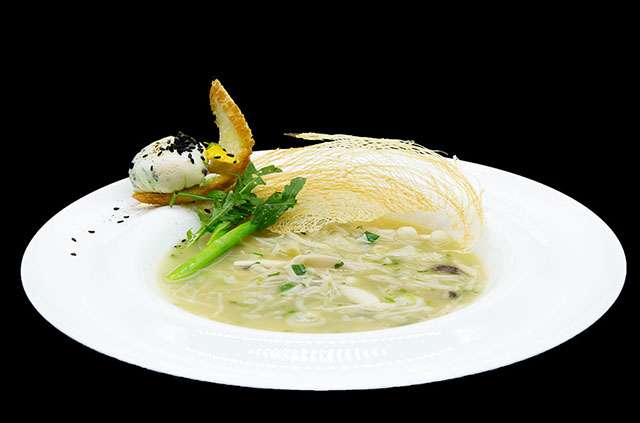
A mushroom soup with French influence demonstrates how Vietnamese ingredients can be adapted to a European framework. Earthy mushrooms, cream, stock, and herbs can create a rounded dish, while careful seasoning keeps it light enough for a multi-course meal. Duong’s French-style mushroom soup offers an example of this broader cooking philosophy.
The same approach can guide a seafood course. A seafood stock may be enriched with lemongrass or ginger, then reduced and finished with butter. Alternatively, a classic cream sauce can be brightened with lime zest and fresh herbs. These changes are subtle, but they alter the aroma and finish of the dish.
For a complete meal, a rich seafood preparation can be followed by a crisp salad or a lighter vegetable course. This keeps the progression comfortable and allows each sauce to make an impression without creating palate fatigue.
Ways To Order A Balanced Tasting
A thoughtful meal at Duong Restaurant Saigon can highlight several styles of sauce and seafood without becoming overly rich. Consider these approaches:
- Begin with a fresh salad or light starter before choosing a butter-based seafood dish.
- Pair tuna with a sharper reduction, while reserving creamy sauces for prawns or white fish.
- Ask for herbs, lime, or a fresh garnish to provide contrast to a rich French-style sauce.
- Include a soup or vegetable course to create a gentler transition between seafood dishes.
- Choose rice or another simple accompaniment when the sauce is especially aromatic.
Dining in the cozy atmosphere on Dong Du Street gives these details room to stand out. Fine dining here is as much about pacing and balance as it is about individual ingredients.
Reserve a table at Duong Restaurant Saigon to explore how French sauce techniques, Vietnamese aromatics, and fresh seafood come together in a distinctly Saigon dining experience.