Exploring Dong Du Street Through Duong Restaurant Saigon
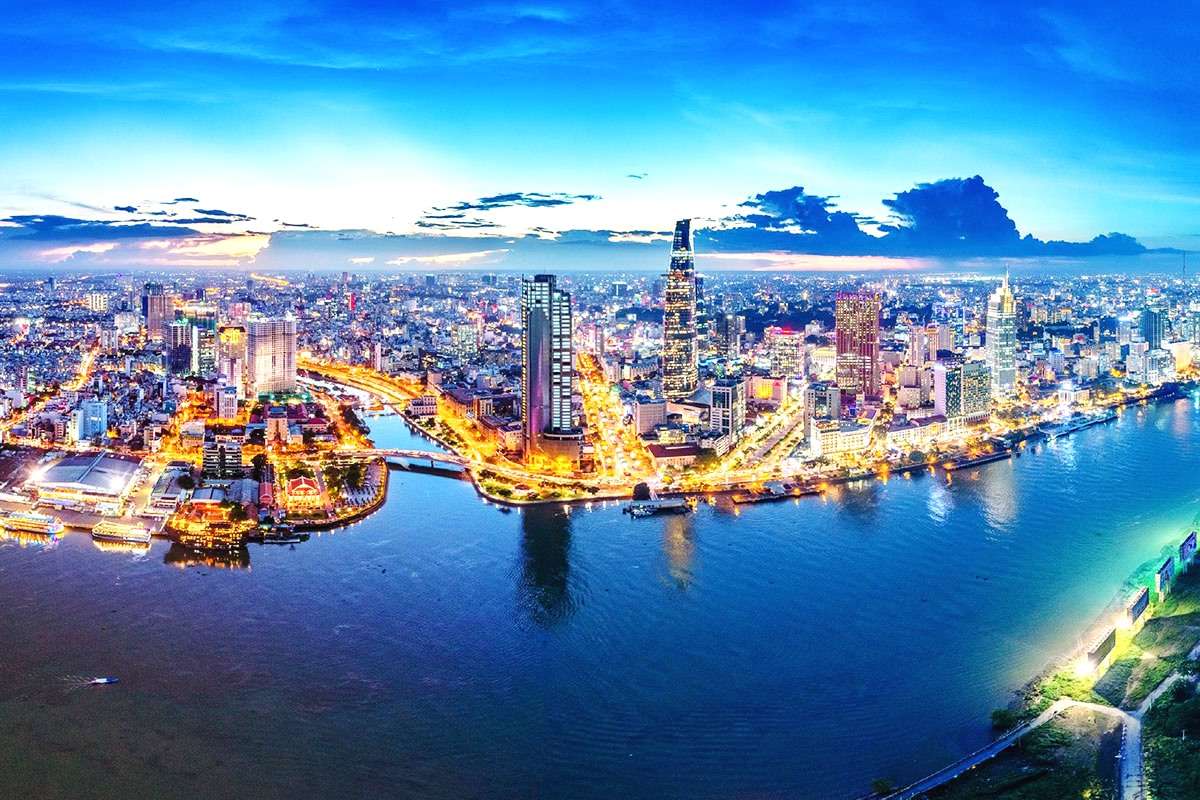
Dong Du Street offers a compact journey through the changing identity of Ho Chi Minh City. In a few blocks, visitors can see traces of the colonial-era city, postwar renewal, modern commerce, and the international dining culture that now defines much of District 1.
Located near the Saigon River and several of the city’s best-known landmarks, the street is an ideal setting for a meal with a sense of place. Dining at Duong Restaurant Saigon gives visitors an opportunity to connect the flavors of contemporary Vietnamese cuisine with the streetscape beyond the dining room.
A Street Shaped By Saigon’s Urban History
Dong Du belongs to the historic central district that developed rapidly during the French colonial period. The surrounding area was laid out with broad avenues, formal buildings, hotels, commercial premises, and civic institutions, creating the recognizable urban core that remains today.
Like many central streets, Dong Du has carried different names and meanings through successive periods. Its history reflects the wider story of Saigon: colonial administration, the growth of a commercial capital, the upheavals of the twentieth century, and the city’s transformation into modern Ho Chi Minh City.
The architecture around the street is especially valuable for understanding that change. Older façades, narrow shopfronts, balconies, and grander institutional buildings sit beside renovated interiors, boutiques, cafés, and restaurants. The result is a layered cityscape rather than a preserved historical district frozen in one era.
From Colonial Quarter To Modern District 1
Dong Du’s location places it close to streets that were central to colonial Saigon’s social and economic life. Đồng Khởi, formerly associated with Rue Catinat, runs nearby and leads toward landmarks such as the Saigon Opera House and the former Hôtel de Ville, now the Ho Chi Minh City People’s Committee headquarters.
This proximity made the area a longstanding meeting point for residents, officials, merchants, travelers, and cultural audiences. Hotels and restaurants served visitors from abroad, while local businesses adapted to changing tastes and new patterns of urban life.
Today, the legacy survives through atmosphere rather than a single historical style. A walk down Dong Du may reveal an old apartment building above a contemporary business, a quiet religious site near a busy hotel, or a traditional food shop beside a polished dining room. These contrasts make the street useful for reading the city’s past and present together.
The Meaning Of Dining In A Historic Setting
Food is one of the clearest ways to experience cultural continuity. Vietnamese cuisine has changed through trade, migration, regional exchange, and contact with foreign culinary traditions, yet its central ideas remain visible in fresh herbs, rice, noodles, seafood, balanced sauces, and careful preparation.
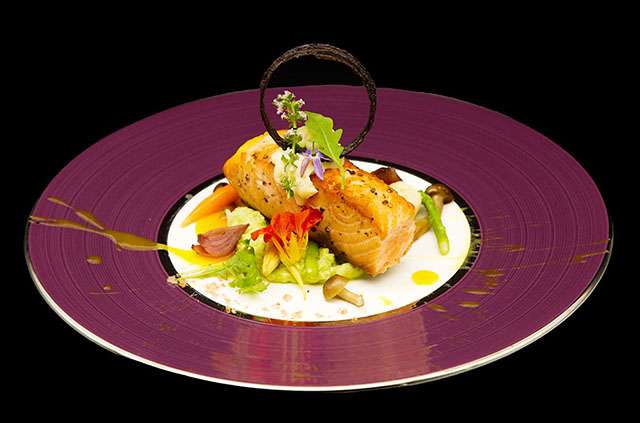
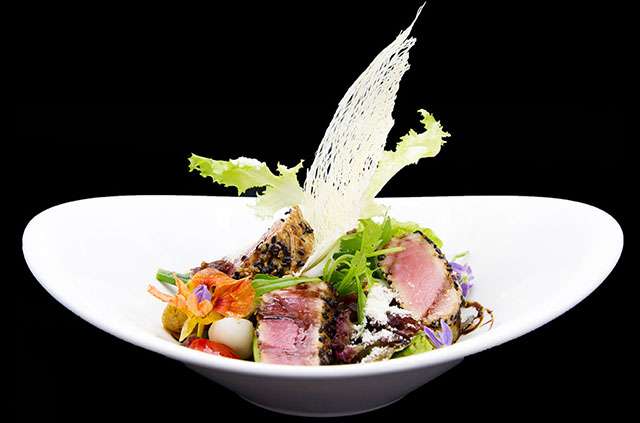
Duong Restaurant Saigon reflects this living culinary history through a Vietnamese and French fusion approach. Its chef-led menu brings Vietnamese-inspired ingredients and techniques into a refined dining setting, allowing guests to enjoy familiar flavors in a more contemporary format.
The restaurant’s location adds another layer to the experience. Rather than treating history as something found only in museums, diners can observe it through the neighborhood’s rhythm: motorbikes passing outside, older buildings facing new businesses, and an evening crowd moving between hotels, galleries, offices, and restaurants.
What To Notice During A Dong Du Walk
A short walk before or after dinner can reveal several distinct aspects of Dong Du and its surroundings. The street is close enough to major attractions for visitors to build a compact heritage route without spending hours in transit.
| Area To Observe |
Historical Character |
What Visitors May Experience |
| Dong Du Street |
Layered commercial and residential development |
Shops, restaurants, renovated façades, and local street life |
| Đồng Khởi Street |
Colonial-era civic and cultural corridor |
Opera House views, hotels, galleries, and historic architecture |
| Saigon Riverfront |
Former gateway for trade and travel |
Open views, evening breezes, and changing city skylines |
| Nearby Religious Sites |
Longstanding spiritual presence |
Quiet courtyards and distinctive architectural details |
| District 1 Dining Scene |
Modern international and Vietnamese culture |
Chef-led restaurants, cafés, bars, and regional cuisine |
Look upward as well as forward. Balconies, shutters, decorative details, rooflines, and narrow upper floors often reveal how buildings have been adapted over time. At street level, signs and storefronts show the commercial energy that has kept the central district active across generations.
Photography can help preserve these details, particularly during the softer light of late afternoon. Duong Restaurant Saigon also offers a useful food photography guide for guests who want to capture dishes attractively while respecting the dining experience.
A Contemporary Vietnamese And French Table
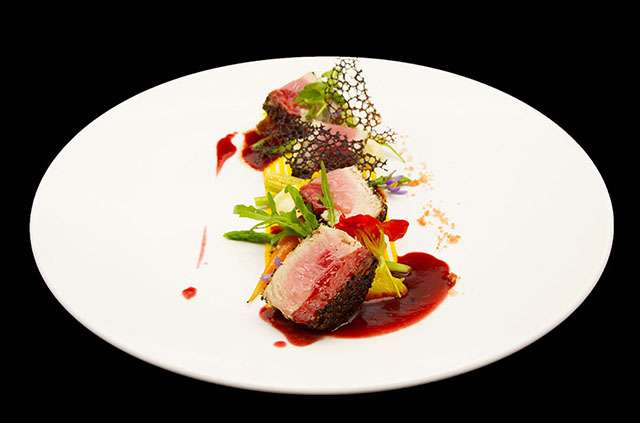
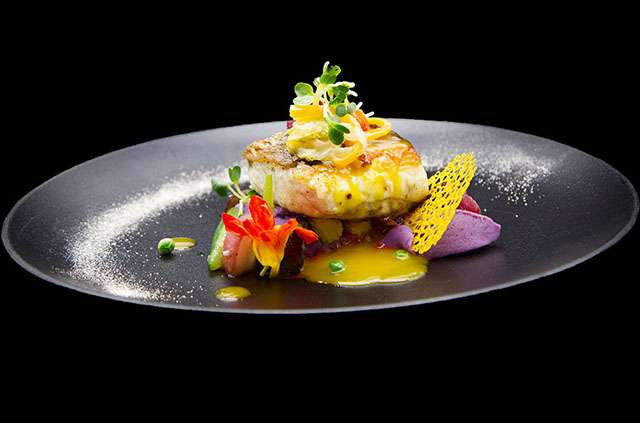
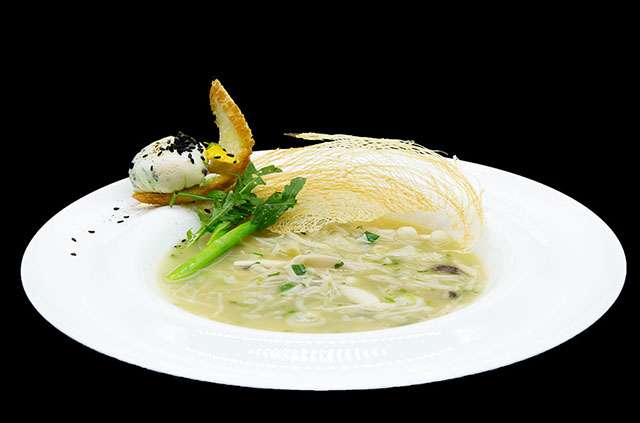
The restaurant’s menu suits the character of the neighborhood because it combines local identity with international influence. Dishes such as rice noodle beef rolls, seafood, tuna steak, mushroom soup, and salads represent a broad interpretation of Vietnamese-inspired dining rather than a single regional style.
French influence can be understood through presentation, sauce work, menu structure, and the emphasis on composed plates. Vietnamese influence remains present in the use of fresh produce, aromatic herbs, seafood, rice-based elements, and flavors that balance savory, sweet, sour, and spicy notes.
This combination mirrors Ho Chi Minh City itself. The city has always absorbed outside ideas and reshaped them through local habits. A fusion restaurant on a historic central street therefore feels connected to the neighborhood’s evolution, not separate from it.
Planning An Evening Around Dong Du
For visitors staying in District 1, Dong Du is easy to include in a broader evening itinerary. Begin near the Saigon River, continue toward Đồng Khởi and the Opera House, and then turn into the quieter side streets around Dong Du. This route offers architecture, people-watching, and a gradual transition from major landmarks to intimate dining spaces.
A reservation is worthwhile, especially for dinner or for guests who prefer a relaxed table. Duong Restaurant Saigon’s cozy atmosphere and attentive service make it suitable for couples, families, business meals, and travelers seeking a polished Vietnamese dining experience. Guests who want a structured selection can review the restaurant’s set menu options before visiting.
The best timing depends on the mood desired. A late-afternoon walk highlights architectural details, while an evening visit brings illuminated façades, lively restaurants, and the warm movement of central Saigon after work.
Ways To Experience The Neighborhood More Deeply
- Walk slowly through Dong Du instead of treating it only as a route between attractions.
- Compare older façades with renovated interiors to see how the district has adapted.
- Visit nearby Đồng Khởi landmarks before dinner for a stronger historical context.
- Order dishes that combine Vietnamese ingredients with contemporary French techniques.
- Reserve a table in advance when planning a weekend or special-occasion meal.
A meal on Dong Du can become more than a stop for dinner. It can connect architecture, urban history, local ingredients, and modern hospitality in one carefully paced evening. Visit Duong Restaurant Saigon to explore the street through its flavors and discover how the history of central Ho Chi Minh City continues to evolve around the table.