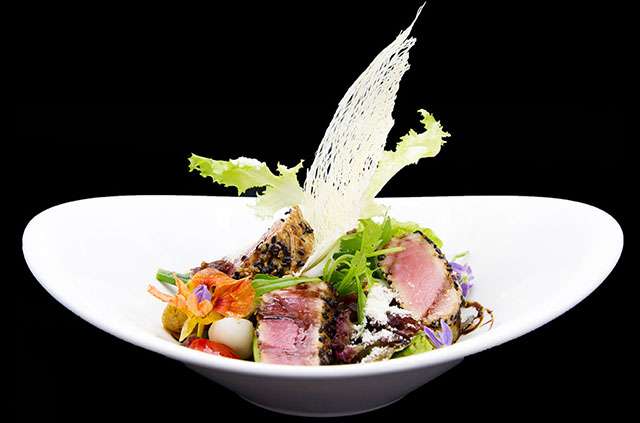
How Duong Restaurant Saigon Balances Umami and Acidity in Its Salads
A well-made salad can be far more complex than a bowl of leaves and dressing. At Duong Restaurant Saigon on Dong Du Street in District 1, Vietnamese ingredients, French technique and careful seasoning come together to create salads with depth, brightness and a clean finish. The appeal lies in the relationship between savoury umami and lively acidity rather than in either flavour working alone.
For Australian diners accustomed to crisp salads in Sydney cafés, generous produce bowls in Melbourne, or lighter meals during a Brisbane summer, this style offers a different kind of balance. The restaurant’s Saigon dining setting provides an elegant place to notice how herbs, seafood, vegetables, dressings and garnishes are layered into a composed dish.
Building Savoury Depth Without Heaviness
Umami gives a salad its satisfying centre. In Vietnamese-inspired cooking, that savoury character may come from fish sauce, seafood, mushrooms, roasted ingredients, fermented elements or a carefully reduced dressing. Used with restraint, these ingredients make vegetables taste fuller while preserving their natural freshness.
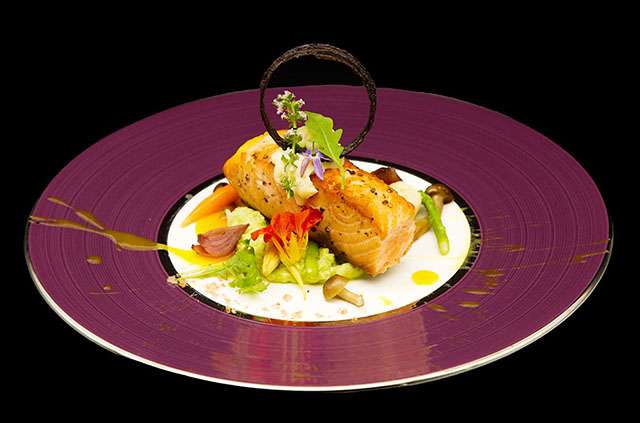
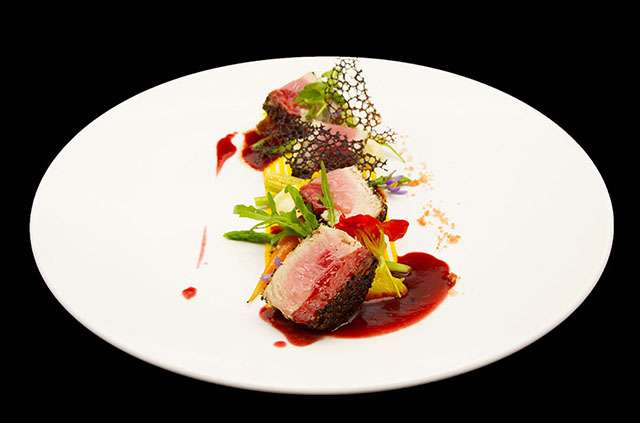
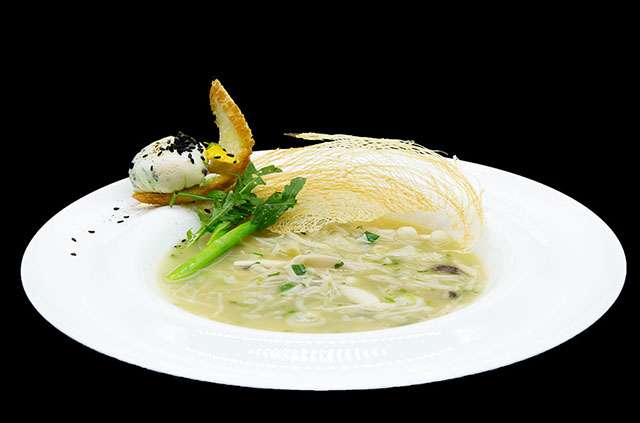
Mushrooms are especially useful because they offer earthy depth without the weight of meat. Seafood can contribute a subtle oceanic savouriness, while grilled or seared proteins bring browned notes that contrast with raw herbs and crisp vegetables. A salad with tuna, for example, can feel substantial while remaining clean when its seasoning is balanced rather than overly salty.
French culinary influence can be seen in the attention to texture and finish. Instead of adding every strong flavour at once, the kitchen can build a clear sequence: savoury notes first, freshness in the middle and acidity at the end. This gives the dish structure and keeps the palate alert.
Acidity That Sharpens Vietnamese Ingredients
Acidity is the element that stops umami from becoming dense. Citrus, rice vinegar, tamarind and lightly pickled vegetables can all bring a bright edge to a salad dressing. In a Vietnamese setting, lime is a natural partner because its fragrance adds freshness as well as sourness.
The most successful dressing is rarely simply “sour”. It needs sweetness, salt and savoury depth around the acid. A little palm sugar or another gentle sweet note can soften sharp citrus, while fish sauce or another seasoning adds length. The result should make vegetables taste more vivid, not leave a harsh sensation on the tongue.
This approach suits Australia’s preference for fresh, produce-led meals. Diners who often choose salads during warmer weather in Perth or outdoor lunches in Adelaide may recognise the appeal of a dressing that feels refreshing without being bland. The acidity also works as a palate cleanser between richer dishes such as beef rolls or seafood.
Texture Makes the Balance Noticeable
Flavour balance is easier to appreciate when the salad has contrasting textures. Crisp cucumber, fresh herbs and raw vegetables provide a cool snap, while toasted seeds, fried shallots or roasted components create a more concentrated bite. Tender seafood or carefully cooked meat adds a softer counterpoint.
Vietnamese salads are particularly effective at combining these sensations. Thinly sliced vegetables absorb dressing quickly but retain their crunch, while herbs release aroma as they are chewed. The dressing should coat the ingredients lightly, rather than pool at the bottom of the plate and overwhelm delicate produce.
This is also where portioning matters. A fine-dining salad does not need a large amount of dressing to make an impression. Small, even additions allow the diner to identify lime, herbs, savoury seasoning and natural vegetable sweetness separately. That clarity reflects a chef-led menu rather than a generic side dish.
A Considered Approach for Different Diners
Australian guests are increasingly attentive to allergens, dietary preferences and ingredient transparency. Under the Australia New Zealand Food Standards Code, businesses must provide information about major allergens in food, and many diners have become used to checking ingredients when ordering. Duong’s approach to dietary dining shows how adjustments can be handled with care rather than treated as an afterthought.
For a vegetarian version, mushrooms, herbs, roasted vegetables and a suitable savoury seasoning can preserve the depth usually supplied by seafood-based ingredients. A gluten-free diner may need attention paid to sauces and condiments, while someone avoiding fish sauce may benefit from an alternative umami source. The important point is that removing one ingredient should not remove the dish’s balance.
Seasonal availability also influences the final composition. Australia’s local market varies considerably between Hobart, Melbourne, Sydney and Darwin, while Ho Chi Minh City has access to its own abundance of tropical herbs and produce. A restaurant working with fresh ingredients can adjust garnish, vegetables and acidity while retaining the same underlying principle: brightness should lift savoury flavour.
Reading the Dish Through Its Setting
A salad at Duong is best understood as part of a broader dining experience. The restaurant’s location near historic District 1 makes it a natural stop before or after exploring the city, and its guide to historic café streets places the meal within Saigon’s layered food culture. The setting encourages a slower pace, which makes subtle seasoning easier to notice.
The comparison below shows how the key elements support one another. None is intended to dominate: the pleasure comes from the way each component gives the others definition.
| Element |
Typical contribution |
Effect on the salad |
| Fish sauce or seafood |
Salty, savoury umami |
Creates depth and a lingering finish |
| Mushrooms |
Earthy, rounded umami |
Adds body without heaviness |
| Lime or rice vinegar |
Clean acidity |
Lifts rich or savoury flavours |
| Fresh herbs |
Aromatic freshness |
Keeps the dish vivid and fragrant |
| Pickled vegetables |
Tang and crunch |
Adds contrast and resets the palate |
| Toasted garnish |
Warm, nutty texture |
Gives the final bite extra dimension |
Ways to Appreciate the Flavour Balance
- Taste a small forkful before mixing in any extra dressing or garnish.
- Notice whether the first impression is savoury, sour, herbal or sweet.
- Pair a rich protein with crisp vegetables and acidic dressing for contrast.
- Look for textural changes between herbs, fresh produce and toasted elements.
- Tell the service team about allergies or dietary needs before ordering.
For Australian visitors, this style of salad offers a distinctive alternative to familiar café combinations. It respects the freshness expected by local diners while introducing the aromatic herbs, seafood accents and nuanced dressings of Vietnamese cuisine. Reserve a table at Duong Restaurant Saigon and experience how measured acidity can make every savoury detail feel clearer, brighter and more complete.