How Duong Restaurant Saigon Prepares for a Busy Evening Service
As the sun fades over District 1, Duong Restaurant Saigon shifts from daytime readiness into a carefully timed evening rhythm. On Dong Du Street, close to the Saigon Opera House and Nguyen Hue walking street, the team prepares for guests seeking a polished dinner in the middle of Ho Chi Minh City.
A busy service begins long before the first reservation arrives. Chefs, servers, hosts and managers each have a defined role, from checking seafood and fresh produce to reviewing dietary requests and setting the dining room. The aim is to make a chef-led Vietnamese and French fusion menu feel relaxed at the table.
For Australian visitors, the experience suits the way many people plan a city dinner: an early booking before a show, a long meal after sightseeing, or a special night during a short holiday. Whether guests have flown in from Sydney, Melbourne, Brisbane or Perth, the staff must be ready for different expectations around timing, service and menu guidance.
| Preparation stage |
Main staff focus |
Benefit for guests |
| Afternoon kitchen setup |
Ingredients, sauces and cooking stations |
Faster, more consistent dishes |
| Pre-service briefing |
Bookings, allergies and menu updates |
Clearer communication |
| Dining room preparation |
Tables, lighting and presentation |
A comfortable first impression |
| Evening coordination |
Ticket times and table pacing |
Smoother service during busy periods |
Reading the booking list
The reservation sheet gives the team its first picture of the evening. Staff check party sizes, arrival times, celebrations, returning guests and special dietary notes. A table for two celebrating an anniversary may need a different pace from a larger group arriving before an evening tour or performance.
The host also considers the natural flow of the room. Tables are arranged so servers can move comfortably, while arrivals are spaced where possible to prevent a sudden rush. Australian travellers often appreciate straightforward communication, so the team is prepared to explain waiting times, seating preferences and menu options in a calm, friendly way.
Building the kitchen foundations
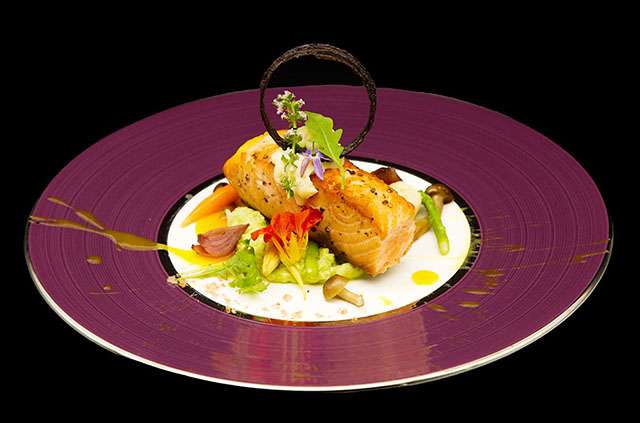
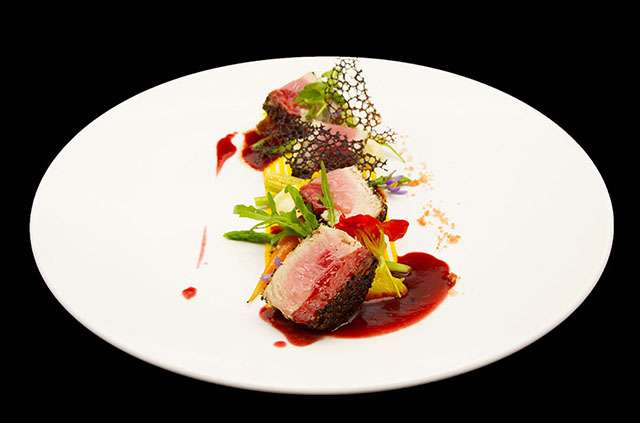
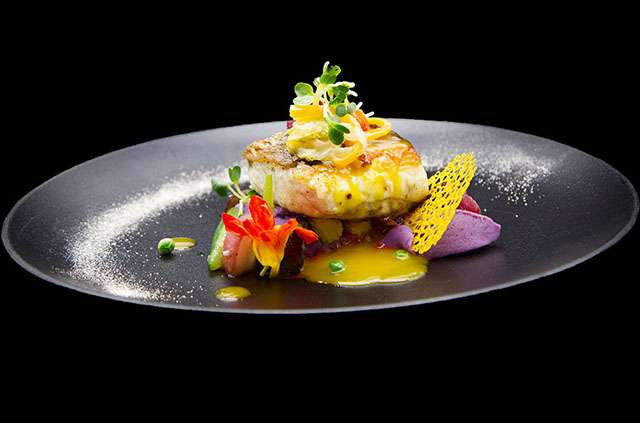
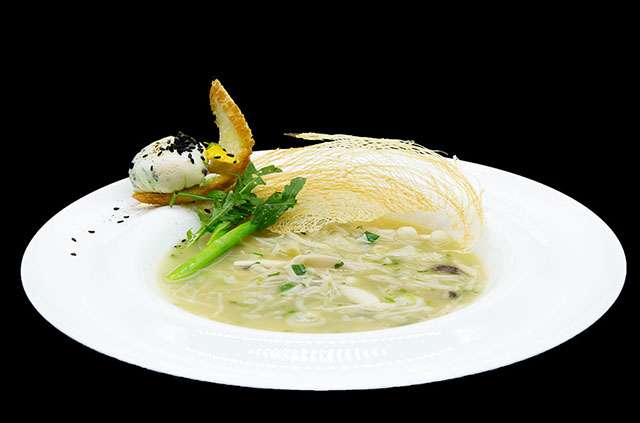
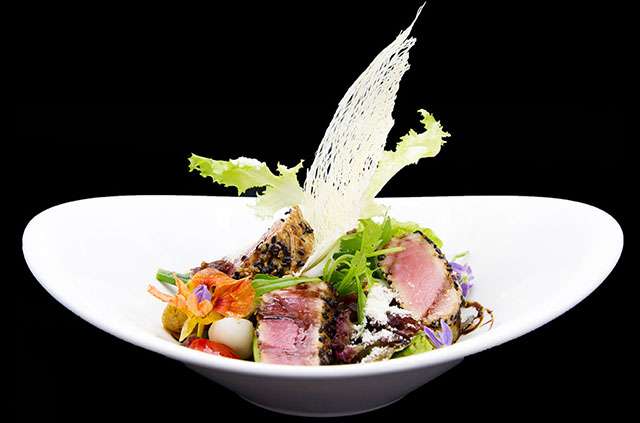
The kitchen team inspects ingredients and prepares the elements that support a busy service. Fresh vegetables are cleaned and portioned, seafood is checked, salad components are organised, and sauces are prepared to the chef’s specifications. Mushroom soup, seafood dishes, tuna steak and Vietnamese-inspired specialities each require different handling and timing.
Preparation is designed to protect freshness rather than remove care from the cooking process. Components may be ready for quick finishing, while key items are cooked to order. This balance is especially important for dishes such as tuna steak, where texture and temperature can change quickly between the pass and the dining room.
Tasting and checking every detail
Before service, the chef and senior kitchen staff taste selected preparations. They assess seasoning, acidity, texture and presentation, then make small adjustments where needed. A dressing that seems balanced in the kitchen must still work with crisp vegetables, herbs and the rest of a composed salad.
The team also confirms portioning and plating standards. Guests may arrive expecting a refined interpretation of familiar Vietnamese flavours, so consistency matters from the first plate to the last. Home cooks interested in the flavours can explore salad dressing ideas, while the restaurant team focuses on delivering the finished dish in its intended form.
Preparing the dining room
The front-of-house team checks table settings, glassware, menus and lighting before guests enter. The atmosphere is intended to feel cosy and attentive rather than formal in a stiff or distant way. Every chair, napkin and serving point contributes to how easily the evening begins.
Staff also inspect practical details that diners may never notice. Walkways must stay clear, service stations need to be stocked, and the team must know which tables have requested a quieter corner. For Australian guests used to the easy hospitality of a neighbourhood restaurant or a CBD dining room, a warm greeting and efficient seating can make the room feel immediately familiar.
Small checks that protect the guest experience
- Confirm clean menus and polished glassware
- Restock napkins, cutlery and serving equipment
- Review table numbers and reservation notes
- Check lighting, music and walkways
- Prepare water and welcome service
Holding the pre-service briefing
Just before the doors become busy, the restaurant team gathers for a concise briefing. The chef discusses unavailable ingredients, special dishes, expected cooking times and any changes to the menu. The manager covers reservations, large groups, celebrations and guests who may need additional assistance.
Servers then align on how to describe the menu. They may explain rice noodle beef rolls, seafood, tuna steak or mushroom soup in clear terms, helping diners choose without overwhelming them. This is useful for visitors who know Vietnamese food broadly but want guidance on the restaurant’s French-influenced presentation.
Coordinating a full dining room
During service, communication continues between the kitchen and front of house. Servers send orders in a sequence that helps the kitchen pace courses, while chefs monitor the pass so dishes for the same table leave together. Managers watch the room for signs that a table needs attention, a course is delayed or a guest would benefit from further explanation.
Timing is particularly important when an evening includes several waves of diners. Some Australians may book dinner early, while others might arrive later after shopping, a river cruise or a show near the Opera House. The team adapts without making the room feel hurried. If guests are comparing activities for later in the night, even a light read on poker table selection tips can fit naturally into broader travel planning, but the restaurant’s priority remains attentive dining.
Finishing with care
The final part of preparation is less visible but equally important. After the rush, staff review which dishes sold quickly, where timing slowed and whether guests offered useful comments. This helps the team refine the next service rather than treating each evening as an isolated event.
Clean-down is also organised carefully. Equipment is sanitised, ingredients are stored correctly, and the dining room is reset for the following day. The goal is to preserve the same standards across a quiet Tuesday, a busy Friday or a holiday period when District 1 attracts more visitors.
What guests notice most
- A confident welcome at the door
- Accurate answers about ingredients and dishes
- Courses arriving at a comfortable pace
- Fresh presentation and consistent flavours
- Staff who remain composed during busy periods
Make the evening part of your Saigon plans
A memorable dinner at Duong Restaurant Saigon begins with this behind-the-scenes preparation, but guests experience it through simple details: a smooth arrival, thoughtful recommendations, well-timed courses and attentive service. The process allows Vietnamese character and French technique to share the plate without making the meal feel complicated.
For a special night on Dong Du Street, reserve a table at Duong Restaurant Saigon and allow the team to take care of the evening while you enjoy the food, atmosphere and energy of Ho Chi Minh City.