How to Reserve a Window Table at Duong Restaurant Saigon
Duong Restaurant Saigon works Vietnamese home cooking through the discipline of a French kitchen, and it does so on Dong Du Street in District 1, where the ground-floor windows look straight onto the pavement. From a window table you get morning light, the slow theatre of scooters and café tables opposite, and street noise that settles into the background instead of cutting across conversation. For a birthday, an engagement or a farewell dinner, that mix of movement outside and calm inside is genuinely difficult to find anywhere else in the city.
Those seats also go first. A window table suits two to four guests and carries an occasion just as well as a private room does for ten, and couples tend to claim them weeks ahead — most fiercely over the last week of December, when the city's long-stay community and its travellers are chasing the same shortlist of tables. Melbourne, Sydney and Brisbane have strong traditions of their own around milestone birthdays and long celebratory lunches, so planning the Saigon version deserves the same attention.
Australian guests usually travel with a clear reason and a tight schedule, which makes the wording of a reservation request matter more than it would at home. Vietnamese kitchens rarely seat walk-ins for a special dinner, so the seat you want is the one you ask for in advance. Three other factors shape the evening: the three-hour gap between Saigon and Sydney or Brisbane, a southern hemisphere summer that lands in the middle of Saigon's coolest, driest stretch of weather, and a booking calendar that runs to Lunar New Year rather than to Australia's school holidays.
The process itself is short, and the team is used to international guests. What decides whether you get the seat you pictured comes down to three things: how the request is written, when it arrives, and what you order around it.
Window Seats and the Other Seating Options Compared
Seating runs across several levels of formality, and the window tables sit at the warmest, busiest end of that scale. Knowing what each option gives you makes it easier to request the right thing rather than settling for whatever is left.
| Seating option |
Best suited to |
What you notice from the seat |
Booking note |
| Window table on Dong Du |
Anniversaries, proposals, couples |
Street light, passing traffic, swift table turns |
Ask for the window side; two to four guests fit best |
| Courtyard and garden tables |
Families and mid-sized groups |
Quieter, greener, easier conversation |
Good for six to eight; mention any access needs |
| Chef's counter |
Diners who want to watch the kitchen |
Close view of plating, sauces and fire |
Fills first; reserve several weeks ahead |
| Corner booth |
Private groups and older guests |
Shielded from the doorway, good for long lunches |
Seats six to ten on a set menu |
| Full room hire |
Receptions and corporate dinners |
Complete privacy and a tailored menu |
Use the event reservation form for menus and pricing |
The comparison matters less for the food than for the mood you are after. A window table puts you at the centre of the street's energy, which is the point on an occasion worth marking; a courtyard table trades that drama for space and greenery. The kitchen runs hot and fast with charcoal and gas, and the smell of the grill drifts toward the front of the room, a detail that connects with Saigon's wider grill culture. If the celebration is about atmosphere rather than privacy, the window is the better call.
Making the Reservation Request Count
Reservations are handled through the event reservation page, and it pays to write a request that a host can act on without a follow-up call. The useful details are the date, two acceptable time windows rather than a single rigid one, the number of guests, and the occasion itself — an anniversary, a birthday, a proposal, a business farewell. Naming the occasion changes how the room is prepared, so it is worth saying plainly.
Be specific about the seat as well. "A window table, street side if possible" reads very differently from "any table is fine", and it gives the host something concrete to match you with. Add dietary requirements in the same message rather than at the door: many Vietnamese broths and dressings carry fish sauce or fermented seafood, and pork and beef bases are common, but the kitchen can usually rework a dish when it has warning. Leave a contact number on WhatsApp or email, plus a note if you would like an English-speaking host to walk you through the menu.
Groups of eight or more shift the conversation entirely. Beyond that size, the kitchen tends to move to a set menu and a different part of the venue, with pricing discussed by the event team, so treat those bookings as an enquiry rather than a standard reservation. Get the request in early, allow a few days for a reply, and confirm the arrangements again a week before, particularly if your window falls near the Tet holiday.
Timing the Visit Against Saigon and Australian Holidays
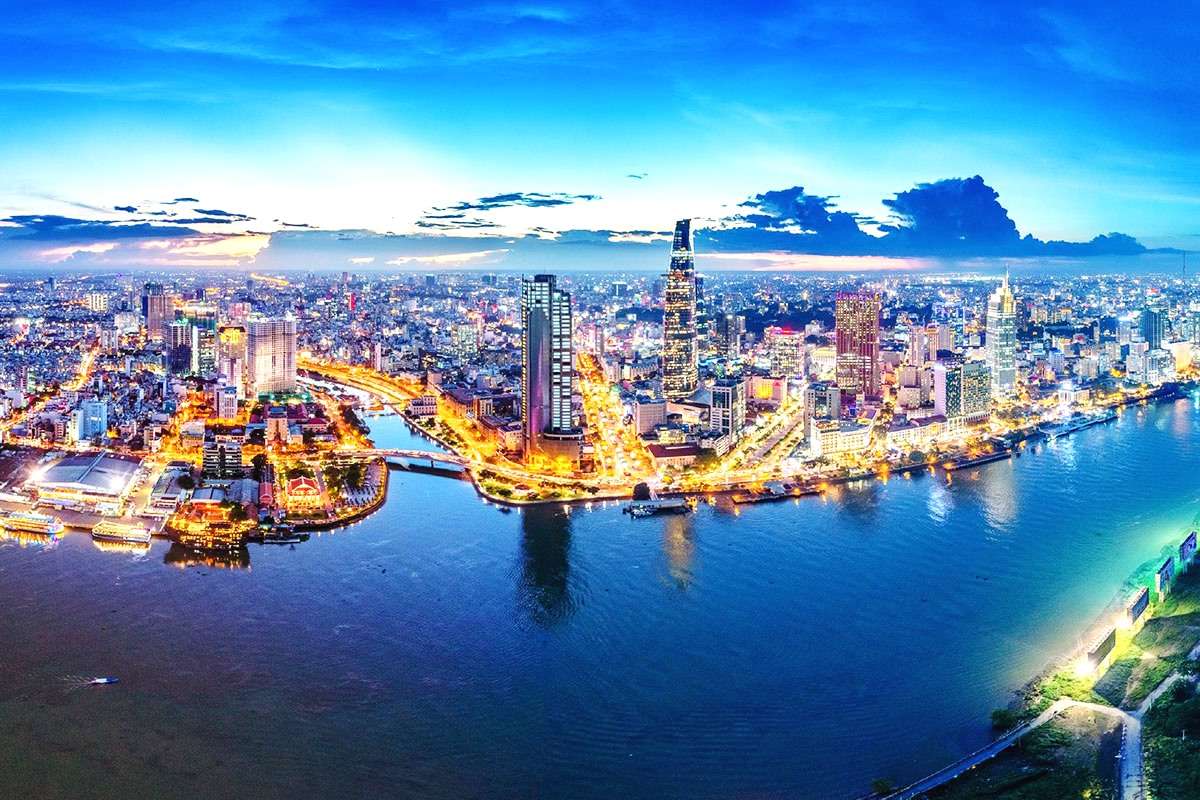
Saigon sits in the tropics, and December is the tail of the wet season rather than the middle of a warm one. By late December and January you get clear skies, lower humidity and pleasantly cool evenings, while Australian summer heat waves play out at home without touching your dinner plans. It is a good argument for a January escape: the city is at its most comfortable, and the window table is at its brightest in the late afternoon light.
The crowded weeks are predictable. New Year's Eve and the run of restaurants and rooftop bars fill the centre of District 1, and the week leading into Tet empties many kitchens entirely as families travel. Mid-January through mid-February is calmer, and midweek evenings in the wet-season months are the easiest to seat. If your trip includes more than the restaurant, a local attractions guide helps you build an itinerary that leaves room for a slow dinner rather than squeezing it between a museum and a market visit.
Practically, remember that Saigon runs three hours behind Sydney and Brisbane and only one behind Perth, so a dinner booked for 7pm local time can start while you are still settling in at home. Book the flight before you book the table, then pick a day with an evening flight behind it rather than one that lands at dusk.
Dishes Worth Building the Evening Around
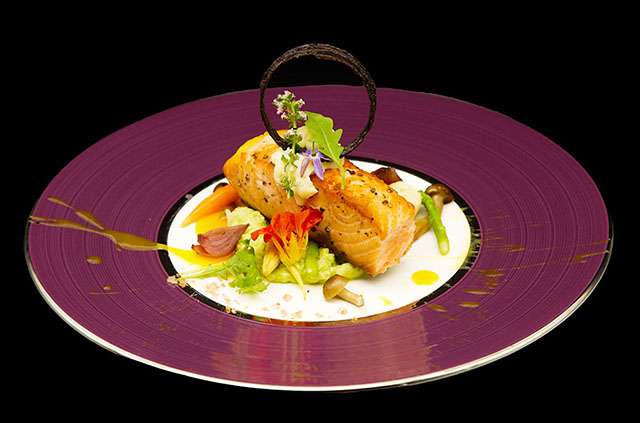
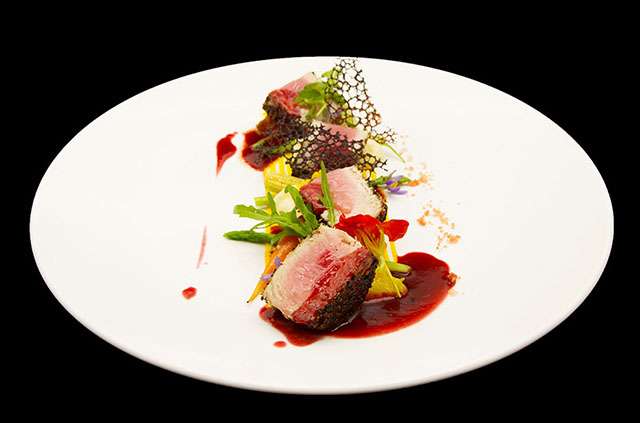
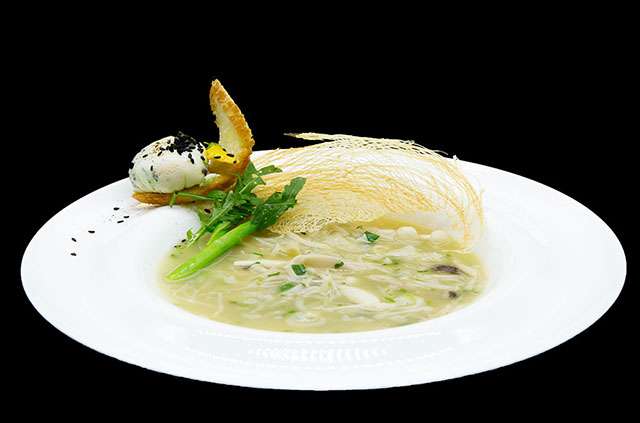
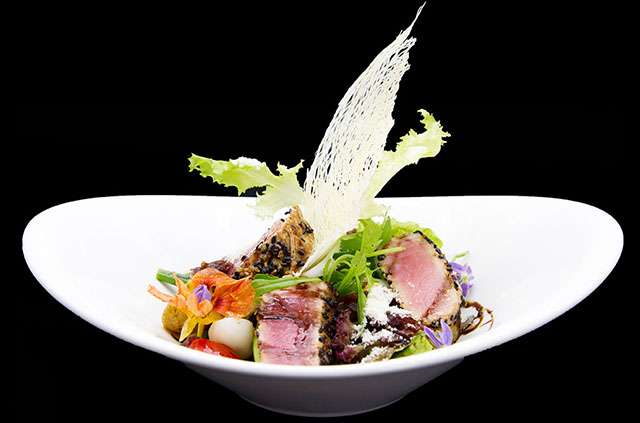
The window seats put you close to the pass, and the menu rewards attention. Rice noodle beef rolls arrive with a sharpness that suits the street view, tuna steak carries a seared edge that speaks to the fire in the kitchen, and the mushroom soup gives the table something warm to begin with. Salads and lighter plates work well as a shared start, especially when the group is arriving from a day of walking.
Underneath those dishes sits a short list of Vietnamese ingredients doing considerable work, which the restaurant sets out in a key Vietnamese ingredients guide. Reading it before you arrive is worthwhile: it explains why the broth tastes the way it does, what the fish sauce contributes, and which flavours the kitchen leans on hardest. Guests who know what they are ordering tend to order with confidence, which makes the meal feel considered rather than experimental.
Your Booking Checklist and the Evening Ahead
A few habits separate a smooth reservation from a hopeful one, and they are easy enough to adopt before you leave Australia.
- Name the window side explicitly, and say whether you want the pavement view or a quieter end of the window run.
- Offer two acceptable time windows and reply quickly, so the kitchen can plan the pass and the table turns around you.
- Flag dietary needs in the first message, including fish sauce, fermented seafood, pork broth and any vegetarian guests eating with the group.
- Treat eight or more guests as a separate enquiry, since the pricing and menu structure change at that size.
- Choose your date around Saigon's seasons, favouring mid-January to mid-February for the calmest, clearest evenings.
- Confirm the final menu and timings a few days out, especially over the Tet and New Year period, and tell the restaurant if your plans shift.
Those small points cover most of the work. Write the request on the event reservation page, name the occasion and the seat you want, and leave the rest of the evening to the kitchen. Duong Restaurant Saigon handles the Vietnamese flavours with real precision and the French technique without ever losing the thread of home, and a window table on Dong Du gives the whole thing a street-level setting that no private room can match. Send the request, mark the occasion, and let the afternoon light do the rest.