How to Build a Seafood Feast for Two at Duong Restaurant Saigon
A seafood dinner for two in Ho Chi Minh City can be far more memorable than ordering two large mains. At Duong Restaurant Saigon on Dong Du Street, the better approach is to create a sequence: something fresh to begin, a shared seafood centrepiece, vegetables or salad for contrast, and a carefully chosen drink. Learn more about Duong Restaurant Saigon S Guide To Exploring Saigon S Nightlife.
This style suits Australian diners who are used to sharing plates at restaurants in Sydney, Melbourne and Brisbane. It also makes sense after a warm day in District 1, when a full multi-course meal may sound more appealing than one oversized dish.
Duong’s Vietnamese and French influences give the meal plenty of range. Bright herbs, seafood, rice noodles and local greens can sit comfortably beside polished sauces, elegant presentation and a relaxed fine-dining rhythm.
The key is balance. Choose enough variety to keep both diners interested, then leave room for conversation, dessert and an evening walk through central Saigon.
| Dining approach |
Best for |
Likely result |
| Two large seafood mains |
Big appetites and a short meal |
Generous, but less varied |
| Several shared plates |
Diners who enjoy tasting |
Broader flavours and textures |
| Chef-guided progression |
Special occasions |
A balanced, paced experience |
| Seafood with salad and soup |
Warm evenings |
Lighter and more refreshing |
Start with the occasion and the appetite
Before choosing dishes, consider why you are dining out. A romantic dinner, a celebratory meal or the first evening of a holiday may justify a slower chef-led experience. If you have been walking around Ben Thanh Market or exploring the Saigon River, a lighter opening course can help you settle in.
Australians often talk about “sharing a few plates” rather than ordering a formal banquet. That instinct works well here, though it helps to tell the team that you are planning a seafood feast for two. The staff can advise on portion sizes and avoid bringing several dishes with the same rich profile.
Allow space for the meal to develop. Vietnamese-inspired food often brings acidity, herbs and aromatic seasoning into play, so the most satisfying order may arrive in stages rather than all at once.
Build flavour from fresh to savoury
Begin with something clean and lively. A seafood starter, salad or small noodle-based dish can wake up the palate without competing with the main course. Look for lime, herbs, crisp vegetables or a gentle dressing to provide freshness.
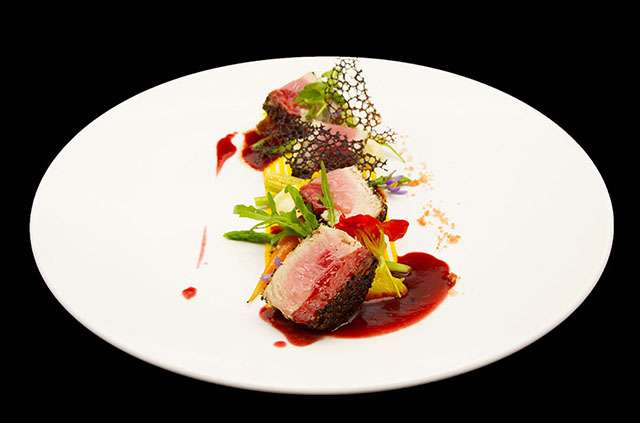
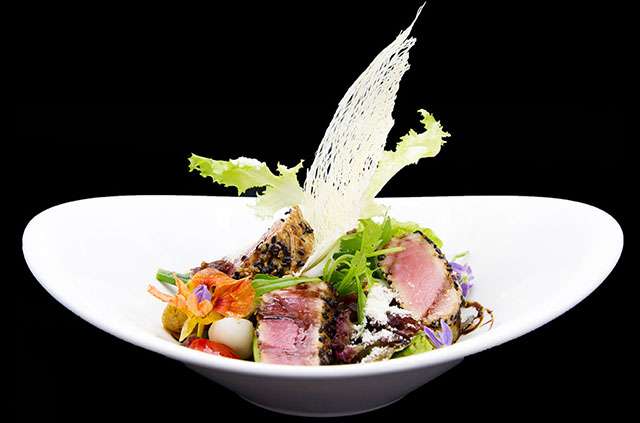
A salad is especially useful when the centrepiece is a tuna steak or another full-flavoured seafood dish. Duong’s approach to produce is explained in its local greens guide, which offers useful context for diners interested in the Vietnamese ingredients behind the plate.
If you enjoy Australian seafood culture, think of the contrast between a bright Sydney seafood lunch and a richer restaurant course. You want the same sense of freshness, with more Vietnamese fragrance and French-style refinement.
Choose one centrepiece to share
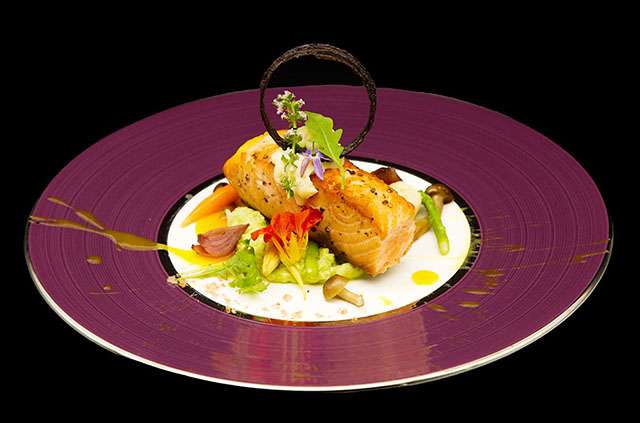
For two people, one substantial seafood course is usually more effective than several competing mains. Tuna steak is a natural centrepiece if it is available, particularly when paired with vegetables, salad or a delicate sauce. Ask about the day’s recommended preparation and the ideal serving size before ordering.
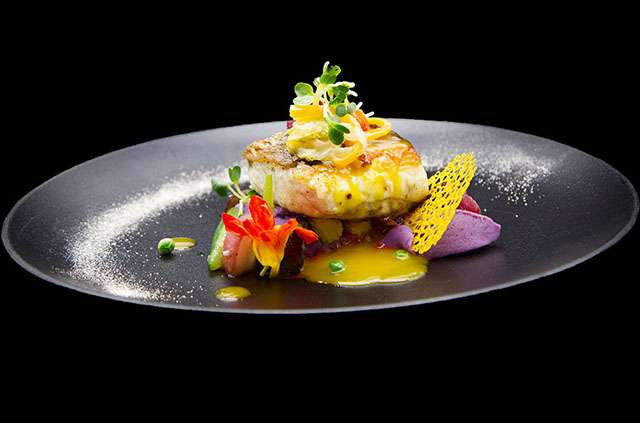
Other seafood options may suit diners who prefer a softer, more aromatic meal. The restaurant’s menu can change with supply, so flexibility is valuable. In Australia, many diners are accustomed to asking where prawns, oysters or fish were sourced; in Saigon, asking what is freshest that day is an equally practical way to order.
A shared centrepiece should be sliced or portioned comfortably for two. This keeps the meal social and lets both diners try the accompanying sauce, garnish and texture rather than treating the plate as a private main.
Add texture with noodles, soup and vegetables
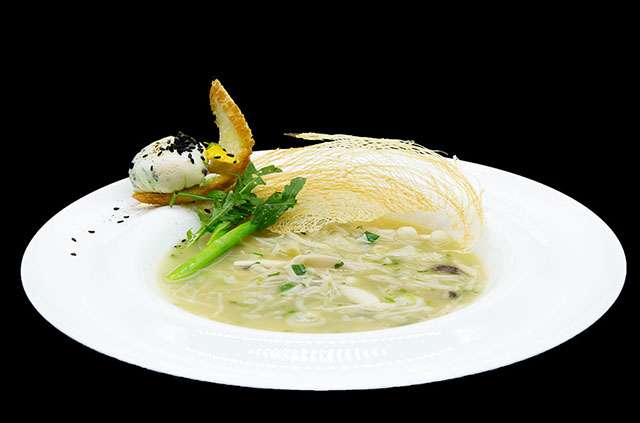
A feast needs an element that absorbs sauce and adds substance. Rice noodle beef rolls are not seafood, yet a small portion can bring a contrasting Vietnamese note if both diners want to explore more of the menu. Alternatively, a mushroom soup can provide warmth and depth without adding another heavy protein.
Keep the supporting dishes purposeful. One soup, one salad and one vegetable or noodle component will generally be enough alongside a shared seafood main. Australian diners used to generous restaurant portions should remember that fine dining courses can be more concentrated than a pub meal or a serve from a casual fish-and-chip shop.
These additions also help accommodate different appetites. One diner may prefer a lighter plate while the other wants more variety, and shared accompaniments make the order easier to balance.
Useful additions for a balanced order
- A crisp salad with local greens and an acidic dressing
- A small soup or vegetable dish for warmth
- Rice noodles or another gentle starch
- Fresh herbs, lime or pickled elements for brightness
Match drinks and pacing to the meal
A refreshing drink can sharpen seafood flavours, especially in Ho Chi Minh City’s heat. Mineral water, citrus-led non-alcoholic drinks or a light white wine are sensible starting points. Diners from Australia may be familiar with choosing a Sauvignon Blanc with seafood, but local recommendations can reveal combinations that work better with Vietnamese herbs and spice.
Ask the team to pace the courses rather than sending everything together. This is particularly helpful after a long flight from Melbourne, Perth or Brisbane, when a slower meal gives you time to adjust to the evening and the climate.
Service charges and inclusions can vary between Australian and Vietnamese restaurants, so check the bill before paying. A quick confirmation about prices, portions and any dietary requirements keeps the experience comfortable without interrupting the atmosphere.
Turn dinner into a Saigon evening
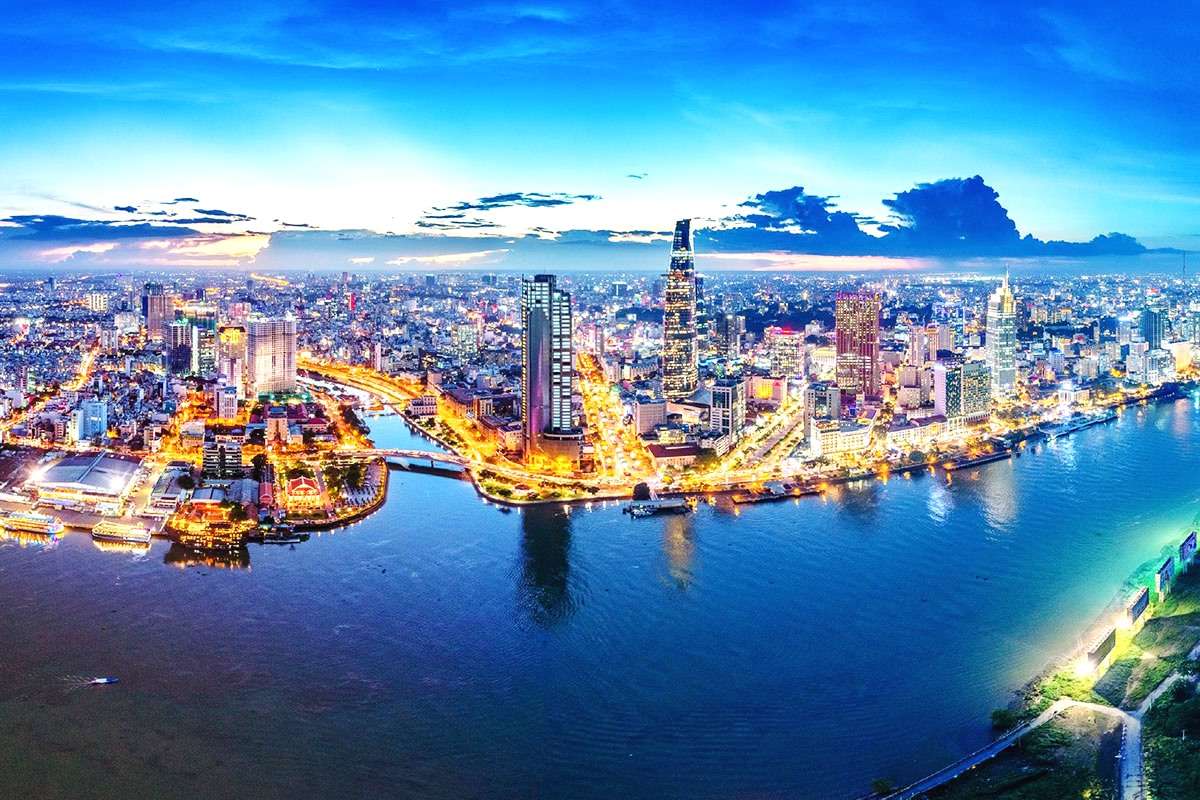
Duong’s Dong Du Street location makes it easy to continue the night after dinner. The surrounding District 1 area has bars, cafés, illuminated streets and riverside routes within reach, although traffic can make short distances feel slower than expected. Allow extra time if you have a booking elsewhere.
The restaurant’s chef’s fusion perspective is worth exploring before or after your visit, particularly if you want to understand how Vietnamese ingredients meet French culinary ideas. That context can make the shared meal feel more intentional.
For evening planning, Duong’s Saigon nightlife guide can help you choose between a quiet drink, live music or a livelier District 1 outing. Australians often use “a night out” to mean several casual stops, while this area rewards a little planning around traffic, weather and opening hours.
Reserve a table at Duong Restaurant Saigon, mention that you are planning a shared seafood dinner for two, and let the team shape the final progression around the freshest ingredients available. With one elegant centrepiece, bright local produce, thoughtful accompaniments and time to enjoy the neighbourhood afterwards, your meal can become a polished Saigon experience rather than simply another dinner booking.