How to Explain Fusion Food to Friends at Duong Restaurant Saigon
Fusion food can sound like a restaurant buzzword until you taste how two culinary traditions meet on one plate. At Duong Restaurant Saigon, the idea is grounded in Vietnamese ingredients, French technique and a chef-led approach that keeps each dish recognisable.
For Australian diners, this style may feel familiar. Sydney restaurants often combine Asian flavours with modern European presentation, while Melbourne chefs regularly pair local produce with techniques borrowed from overseas. Duong offers a Vietnamese and French interpretation in the heart of Ho Chi Minh City.
When explaining the experience to friends, focus less on labels and more on what happens when you eat. Talk about fresh herbs, balanced sauces, careful cooking and familiar ingredients presented in a new way. The result is approachable rather than confusing.
Explain The Idea Without Restaurant Jargon
A simple explanation is that fusion food borrows thoughtfully from different food cultures. It does not mean mixing random ingredients or changing a traditional dish beyond recognition. At Duong, Vietnamese flavour foundations can meet French-style refinement, plating and sauce work.
You might compare it with ordering a well-made Vietnamese dish in Australia and noticing a European influence in the presentation. The seasoning still has a sense of place, but the texture, cooking method or arrangement may feel more contemporary.
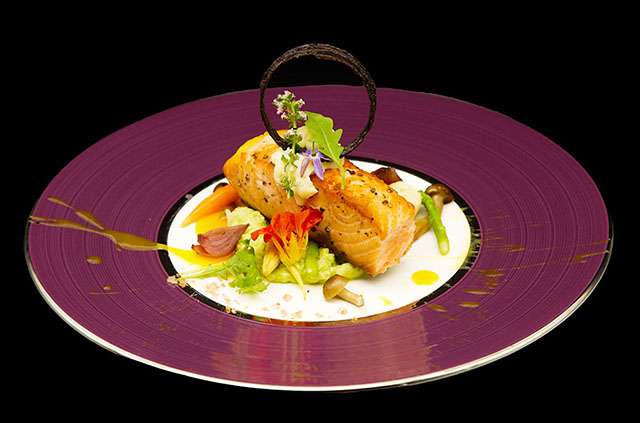
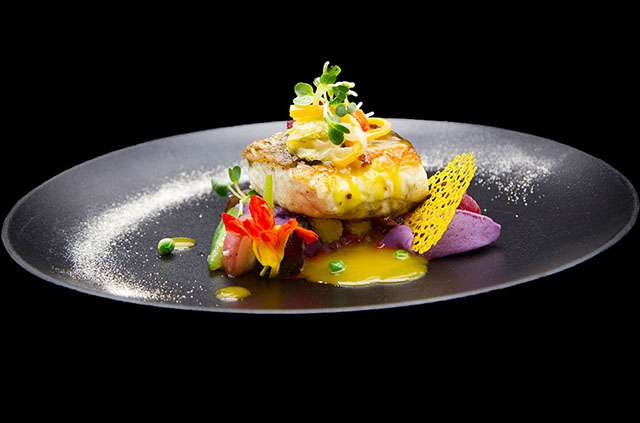
Tell your friends to look for contrast. A crisp element beside something tender, a fragrant herb against a rich sauce or a bright dressing with delicate seafood can show the fusion concept more clearly than a lengthy explanation.
Start With Familiar Vietnamese Flavours
Rice noodle beef rolls are a useful dish for introducing the menu because the central ingredients are easy to understand. Friends who know Vietnamese food may recognise the freshness and herbs, while newcomers can focus on the balance between beef, noodles, vegetables and dipping elements.
Seafood and salads can offer the same gentle entry point. These dishes often highlight citrus, herbs, crunchy vegetables and light seasoning, which can suit Australians accustomed to fresh produce, seafood lunches and casual meals built around salad.
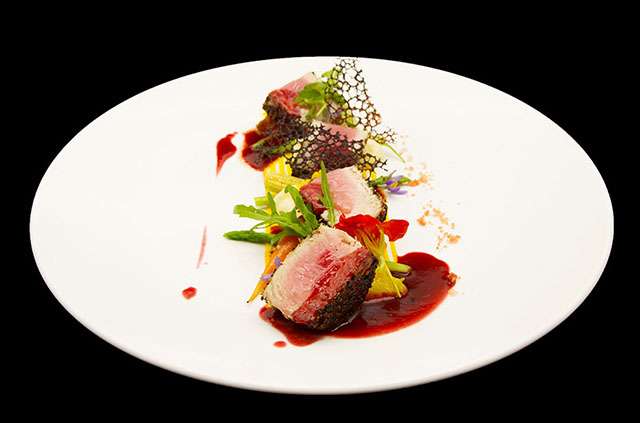
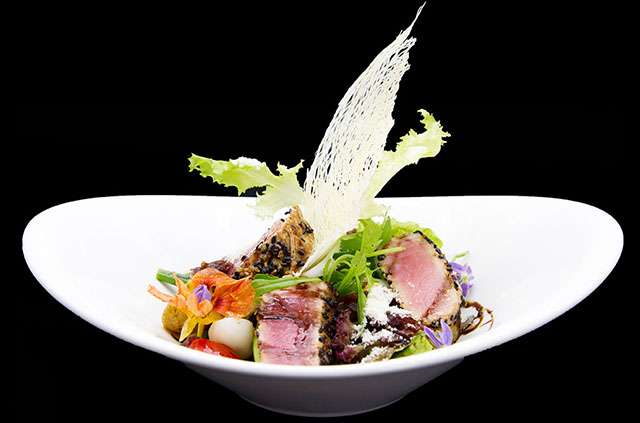
For guests who prefer a richer option, tuna steak gives you an opportunity to describe the French influence through cooking precision and presentation. Instead of calling it “European-style Vietnamese food”, explain how the ingredients remain connected to the region while the technique creates a different dining rhythm.
Use Drinks To Clarify The Pairing
Food and drink can make the fusion idea easier to understand. A suitable wine or other beverage can soften richness, lift herbs or echo the clean character of seafood. This is especially helpful for friends who think fusion means heavy sauces and competing flavours.
Before ordering tuna, read tuna steak pairings to understand how the dish can work with a considered drink. The pairing gives you a practical way to discuss balance: the beverage should support the fish and its seasoning rather than dominate it.
Australian dining habits can shape the conversation. A group from Sydney may be comfortable sharing several plates, while friends from Brisbane might appreciate lighter dishes in Ho Chi Minh City’s warm, humid weather. Suggest ordering across styles so everyone can compare textures and flavours.
Describe Technique Through Texture
French influence is often easiest to notice through technique rather than a single ingredient. Smooth soups, neatly cooked fish, carefully reduced sauces and elegant plating can communicate refinement without removing the Vietnamese identity of the food.
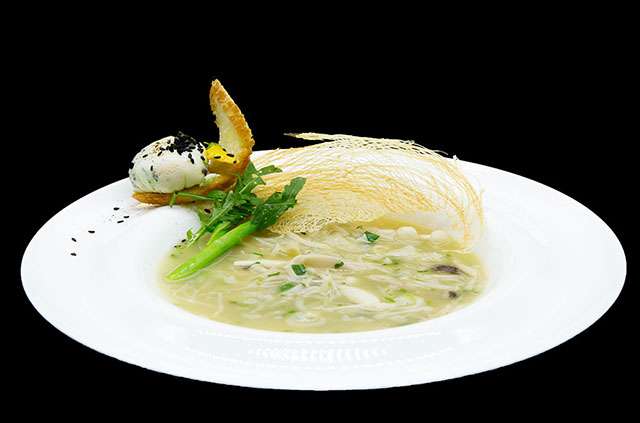
Mushroom soup is a good example to discuss. Its appeal may come from depth and silkiness, while herbs or local seasonings keep it connected to the wider menu. Ask friends to notice the finish, aroma and texture instead of trying to identify every influence immediately.
A seasonal dish can show how the kitchen responds to available produce. The seasonal kitchen recipe offers useful context for explaining why Vietnamese cooking feels tied to freshness and timing. This is a familiar idea for Australians who shop at farmers markets or plan meals around regional fruit and vegetables.
Make The Meal Comfortable For Everyone
The best explanation happens during a relaxed meal. Duong’s cosy atmosphere suits a group that wants to talk between courses, compare reactions and enjoy fine dining without making the evening feel overly formal.
It helps to acknowledge practical preferences before ordering. Australian groups often include vegetarians, seafood eaters, people avoiding chilli and guests with allergies. Mention these needs to the restaurant team early, then let the chef-led menu guide the choices where possible.
Sharing can make unfamiliar food less intimidating. Order a few contrasting dishes rather than asking everyone to commit to one style. This approach also suits the Australian habit of splitting several plates, although the group should agree beforehand how to handle the bill and any shared drinks.
Give Friends A Simple Tasting Guide
Offer your friends a few prompts while they eat: What is the strongest aroma? Is the sauce rich, sharp or fresh? Which ingredient feels traditionally Vietnamese, and which part seems influenced by French cooking? These observations turn the dinner into a shared discovery rather than a test of food knowledge.
For visitors planning time in District 1, dinner can fit naturally around an evening walk, gallery visit or exploration of Dong Du Street. Travellers researching wider experiences through South Pacific travel ideas may also appreciate pairing a city stay with a meal that reflects Ho Chi Minh City’s cultural layers.
| Dish or Element |
Vietnamese Character |
French-Inspired Influence |
Best Way To Explain It |
| Rice noodle beef rolls |
Herbs, noodles, fresh vegetables and dipping flavours |
Refined presentation and careful balance |
Familiar ingredients in an elegant format |
| Seafood |
Freshness, citrus and aromatic herbs |
Precise cooking and composed plating |
Light, clean flavours with fine-dining technique |
| Tuna steak |
Regional seasoning and produce |
European-style cooking control and pairing |
A bridge between Vietnamese flavour and modern technique |
| Mushroom soup |
Fragrance and savoury depth |
Smooth texture and polished finish |
Comforting ingredients treated with precision |
| Salad |
Crunch, herbs and bright dressing |
Structured arrangement and sauce balance |
Fresh Vietnamese ideas with contemporary presentation |
Keep the explanation conversational: fusion is a meeting of techniques, ingredients and traditions that still allows each influence to be tasted. At Duong Restaurant Saigon, the setting, service and menu give your group space to discover that balance course by course.
When you are ready to arrange the evening, review the Duong Restaurant Saigon reservation information and choose a selection that gives your friends different textures, flavours and levels of richness to explore.