How to Explore Vietnamese Flavours Without Heat at Duong Restaurant Saigon
Vietnamese food is often associated with chilli, but heat is only one small part of its flavour profile. Fresh herbs, citrus, fish sauce, roasted aromatics, fermented notes and gentle sweetness can create a complex dish without making it fiery.
For Australian travellers, this makes Duong Restaurant Saigon a comfortable place to discover Vietnamese cuisine at an unhurried pace. Located on Dong Du Street in District 1, the restaurant combines Vietnamese inspiration with French fine-dining techniques in a cosy setting.
The approach is especially useful if you enjoy flavourful food but usually skip chilli at Thai restaurants in Melbourne, avoid hot sauces at a Sydney barbecue, or prefer to keep a meal mild while travelling with family. You can still experience depth, fragrance and texture without testing your spice tolerance.
A little communication helps. When reserving or ordering, explain that you would like no chilli or very low heat, while keeping herbs, citrus and savoury seasoning. The chef-led menu can then be approached with a focus on balance rather than burn.
Start With Aromatics And Fresh Herbs
Vietnamese cooking builds flavour through ingredients such as shallot, garlic, ginger, lemongrass, coriander, mint and Vietnamese basil. These provide lift and fragrance, so a dish can feel lively even when chilli is removed. Lime, rice vinegar and fish sauce add further dimension without relying on capsicum heat.
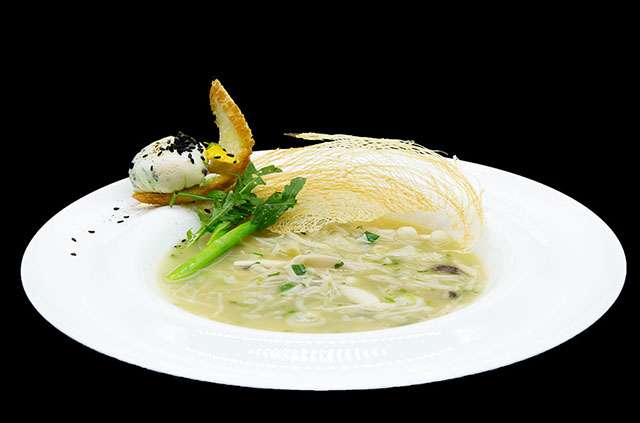
At Duong, consider beginning with a salad or a light mushroom soup. A salad can bring crunch, herbs and acidity to the table, while mushroom soup offers earthy umami and a softer texture. Ask the team whether chilli is included in the dressing, garnish or finishing oil, as heat can sometimes appear separately from the main preparation.
This style of ordering suits the Australian habit of sharing several dishes, especially when dining with friends after exploring Ben Thanh Market or walking along Nguyen Hue. You can try different textures and flavours without committing to a single intensely spiced course.
Choose Gentle Vietnamese-Inspired Specialities
Rice noodle beef rolls are a natural choice for a mild meal. The noodles and beef provide substance, while herbs and dipping elements bring freshness. Request the dipping sauce on the side if you want to control salt, acidity or any chilli yourself. This also makes the dish easier to share with someone who has a different preference.
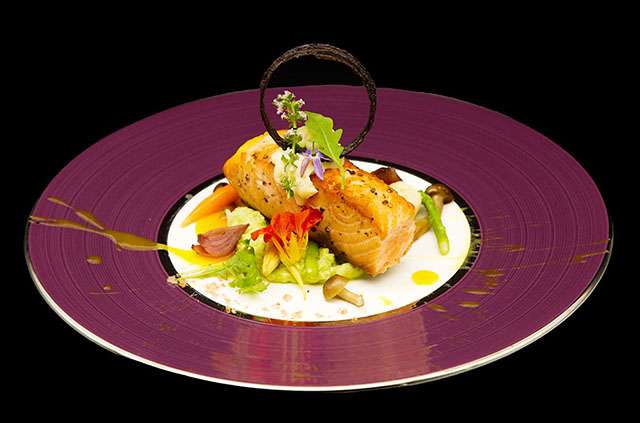
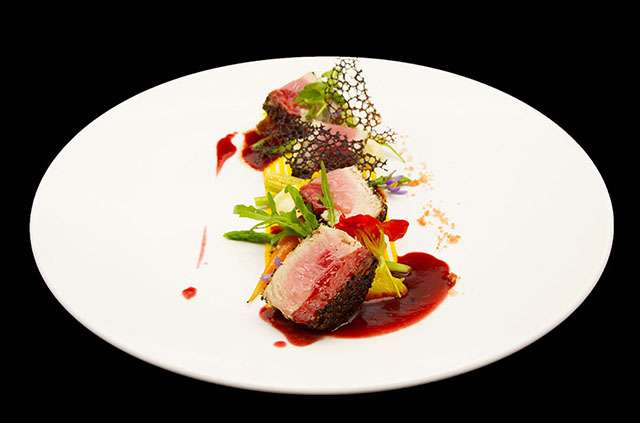
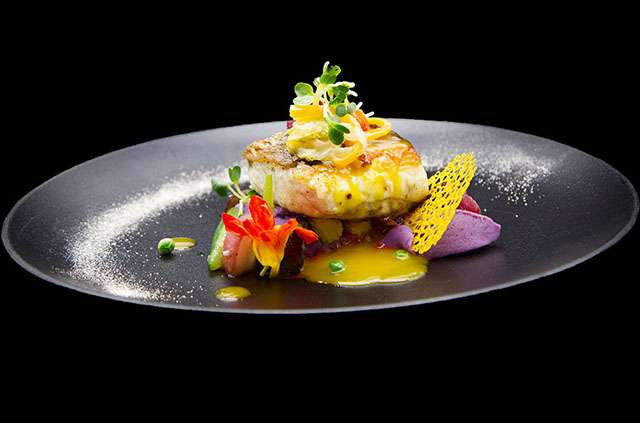
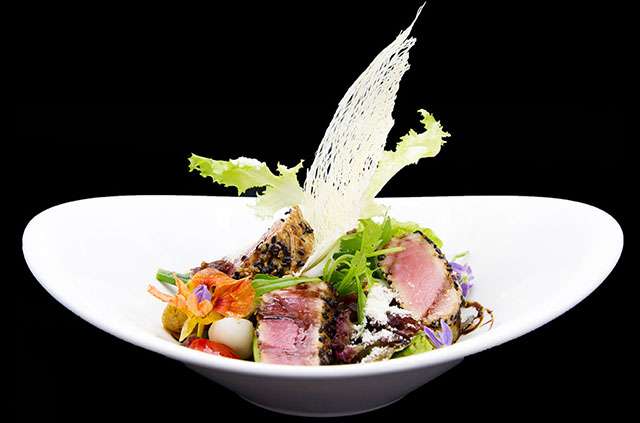
Seafood can showcase Vietnamese flavour particularly well because delicate fish, prawns or other ocean ingredients pair naturally with lime, herbs and light sauces. Tuna steak may appeal to Australian diners who enjoy clean, simply treated produce, while a seasonal vegetable dish can help balance a richer course.
For a deeper understanding of how produce influences the menu, read Duong’s ingredient sourcing story. Freshness matters when the cooking is restrained: quality seafood, mushrooms, herbs and beef do much of the work.
| Menu Direction |
Flavour Experience |
How To Keep It Mild |
| Rice noodle beef rolls |
Savoury, fresh and herbaceous |
Request sauce on the side |
| Mushroom soup |
Earthy, silky and comforting |
Check whether chilli oil is added |
| Salad |
Crisp, bright and citrusy |
Ask for a chilli-free dressing |
| Seafood |
Light, clean and aromatic |
Confirm the garnish and sauce |
| Tuna steak |
Meaty, delicate and refined |
Choose a mild accompaniment |
| Shared vegetables |
Fresh, textured and balanced |
Ask for gentle seasoning |
Pair Acidity With Richer Courses
When a meal contains beef, tuna or a French-influenced sauce, acidity creates balance. Lime, herbs and pickled vegetables can refresh the palate between bites, while a little caramelised sweetness rounds out savoury flavours. None of these elements needs to be hot.
Ask the restaurant team to guide the progression of your meal. A light soup or salad can come first, followed by seafood or rice noodle beef rolls, with tuna steak or another substantial dish later. This gives each course space and avoids the need for a fiery condiment to make the meal interesting.
Australians are generally comfortable asking for modifications, whether ordering a flat white with alternative milk in Brisbane or requesting gluten-free options in Perth. The same direct, friendly approach works here: say “no chilli, please” and clarify whether mild pepper is acceptable. Be specific if you are avoiding heat for medical reasons rather than personal preference.
Make The Setting Part Of The Experience
The cosy dining room and central District 1 location make Duong suitable for a relaxed evening after sightseeing. It can work well for a special dinner during a first Ho Chi Minh City visit, particularly if you have spent the day navigating traffic, humidity and busy market streets.
A calmer restaurant is also useful when travelling during Australian school holidays, when families and couples often plan meals around a packed itinerary. Unlike a quick street-food stop, a fine-dining setting gives you time to ask about ingredients, discuss the menu and enjoy a slower Vietnamese meal.
If you are marking an anniversary, birthday or milestone, review this guide on making a special-occasion reservation. Booking ahead is sensible for travellers arriving from Sydney, Melbourne or Adelaide, particularly around Christmas, Easter or the June–July holiday period.
Plan A Comfortable Mild-Flavour Meal
A successful low-heat dinner depends on clear choices rather than avoiding Vietnamese cuisine altogether. Use the menu to build contrast: one fresh dish, one warm soup, one protein, and perhaps a vegetable or rice-based accompaniment. This creates variety through temperature, texture and aroma.
Keep local dining conditions in mind. Ho Chi Minh City can feel hot and humid compared with an Australian winter, so bright herbs and citrus may be especially refreshing. Australian visitors should also allow for traffic when travelling across District 1 and keep restaurant times flexible around evening walks, shopping and hotel transfers.
- Tell the restaurant your preferred heat level when booking.
- Ask whether chilli appears in sauces, oils, marinades or garnishes.
- Begin with soup, salad or herbs before choosing richer courses.
- Request dipping sauces separately for greater control.
- Share rice noodle beef rolls, seafood or vegetables for variety.
- Allow the team to recommend seasonal mild dishes.
- Reserve early for weekends and Australian holiday periods.
Duong Restaurant Saigon offers a way to experience Vietnamese food through fragrance, freshness and careful technique rather than heat alone. Book a table on Dong Du Street, explain your preferences, and let the chef-led menu introduce you to the gentler side of Vietnamese-inspired dining.