Mastering Chopsticks for Rice Noodle Rolls at Duong Saigon
To master chopsticks for the rice noodle rolls at Duong Restaurant Saigon, begin with a simple goal: lift the roll without crushing it and guide it towards the sauce without dropping it. The reward is a calmer meal and a closer appreciation of the Vietnamese-inspired cooking.
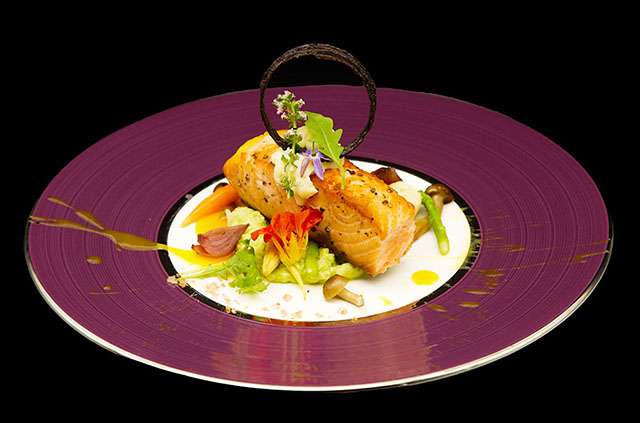
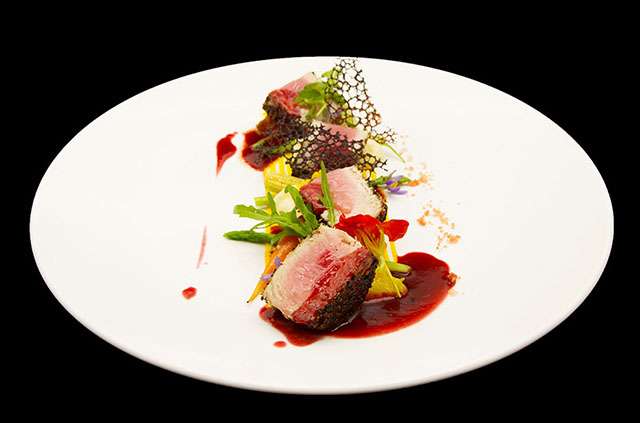
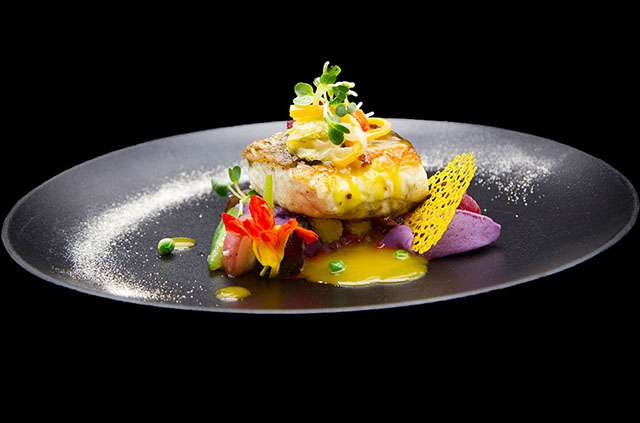
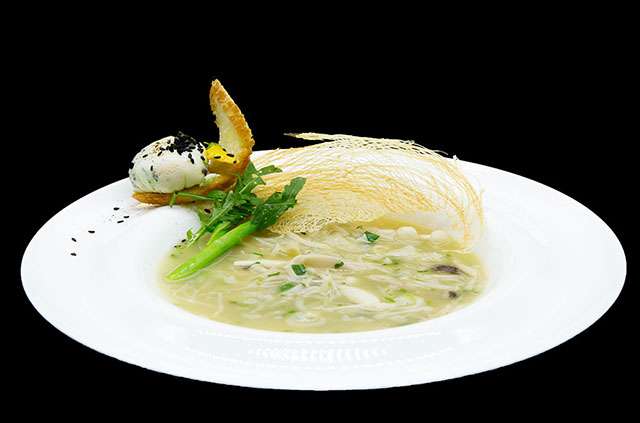
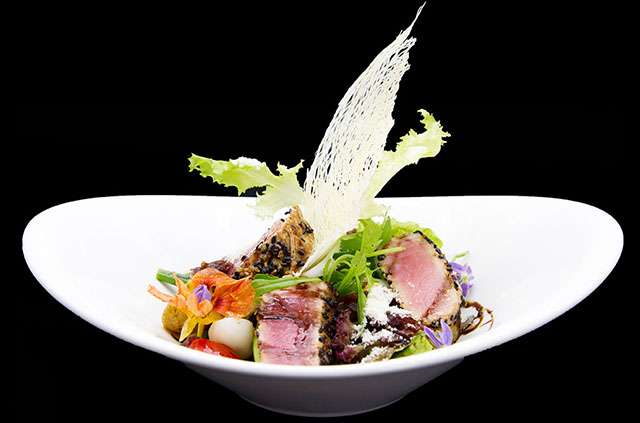
Duong Restaurant Saigon pairs Vietnamese and French fusion on Dong Du Street in District 1, Ho Chi Minh City. Dishes such as rice noodle beef rolls, seafood, tuna steak, mushroom soup and salads give your technique varied textures to handle.
A good grip matters more than speed. Practise with familiar food, use less pressure than expected and keep your wrist still. Even experienced users adjust their hold for softer ingredients.
In Australia, bamboo and training chopsticks are easy to find in Asian grocers and kitchenware shops. A short rehearsal with rice noodles will make your next visit to Ho Chi Minh City feel more relaxed.
Choosing sticks and building your grip
Choose sticks that balance comfortably in your hand. Square ends give even contact, while tapered disposable chopsticks can snap or slide past delicate food.
Hold the upper stick between your thumb and index finger, using the index finger as the moving lever. Rest the lower stick on your ring finger. Training chopsticks with loops or finger guides help beginners stop the sticks from crossing.
Duong’s chef-led approach makes precision especially useful; its story is covered in the guide to Duong’s culinary innovation, explaining how Vietnamese ideas meet French technique. A light hold protects tender filling, soft noodle and fresh garnish.
Practising with purpose at home
Move through a sequence rather than starting with the hardest item. Use chunks of carrot or tofu before softer noodles, then practise lifting a slippery strand without dragging it across the plate.
A useful drill is to lift one piece, pause, and place it in a separate bowl. Repeat with your non-dominant hand afterwards, since either hand may need to steady the food.
Your technique essentials
- Select sticks that are slightly longer than your hand, with square ends for stable contact.
- Anchor the upper stick between thumb and index finger; rest the lower stick on your ring finger.
- Move only the upper stick, opening and closing it with the index finger.
- Press gently enough to prevent slipping without crushing a delicate roll.
- Rehearse with noodles, vegetables and a small dipping bowl before dining out.
Australian dining notes
- Melbourne: Queen Victoria Market is a good place to browse fresh herbs, rice noodles and other ingredients for home practice.
- Sydney: Haymarket’s produce stalls and Vietnamese restaurants make it easy to compare sauces and practise with friends.
- Brisbane: Fortitude Valley’s Vietnamese dining scene offers a relaxed lunch setting for trying the technique.
- Adelaide: Central Market is handy for Asian ingredients, making it a useful stop before practising at home.
- Australian restaurant custom: Sharing plates is common, and diners often pay separately rather than assume one person will cover everyone’s meal.
Lifting the roll without breaking it
Approach the roll from the side rather than stabbing its centre. Angle the tips towards a thicker edge, close them gently and lift just enough to clear the dish.
Keep the lower stick beneath the roll as a support shelf while the upper one steadies it. If the noodle starts to unfold, lower it gently and rebuild your grip instead of squeezing harder.
The crisp, creamy and fresh character of Duong’s menu rewards a controlled grip. You need enough pressure to hold a slippery wrap, yet little enough to keep its shape and distinct textures.
Managing sauces and delicate bites
Dipping is where many beginners lose their balance. Take only a small edge into the sauce rather than lowering the whole roll, and keep the remaining portion supported by the lower chopstick.
If sauce begins to drip, pause over the dish and let the excess fall away. Take a modest bite rather than trying to eat the roll in one movement, which helps prevent a sudden collapse.
Rest unused chopsticks on their holder between bites. Avoid pointing with them, spear shared food or wave them while speaking; simple, quiet movements keep the meal relaxed.
Sharing plates and respecting dining rhythms
Many Vietnamese-inspired plates are designed to be appreciated in company. Pass dishes with serving utensils where provided, follow the pace of the group and let each person choose a small portion before adding another.
Fresh seafood, tuna steak, mushroom soup and salads create contrast with the soft rolls. Pause between dishes, taste the sauce and notice how light, rich and fresh flavours change with each combination.
Planning a District 1 dining day
Allow time for dinner and a walk around District 1 rather than treating the restaurant as a hurried stop. The restaurant’s cosy setting suits attentive service, so arrive without rushing the first course.
A visit to the War Remnants Museum can add historical context to your day. The contrast between its serious exhibits and the restaurant’s lively fusion menu makes the neighbourhood visit feel complete.
Travelling from Australia? Confirm reservations and dietary requirements before departure, then keep a little buffer between the airport journey, museum visit and dinner on Dong Du Street.
Comparing approaches and enjoying the meal
Compare the options before you arrive. Standard wooden chopsticks suit the traditional experience, training sticks make a practice session easier, and reusable metal sticks travel well but may need a textured grip.
Choose according to your confidence, frequency of practice and how delicate the food is:
| Approach |
Control |
Learning curve |
Best suited to |
| Training chopsticks |
High on thin pieces |
Low to moderate |
Building confidence before a restaurant visit |
| Wooden chopsticks |
Good with practice |
Moderate |
A natural, traditional dining experience |
| Metal chopsticks |
Consistent with a textured grip |
Low to moderate |
Regular use, travel and easy cleaning |
| Spoon and chopsticks |
Very good |
Low |
Supporting sauces and especially fragile rolls |
Reserve a table at Duong Restaurant Saigon on Dong Du Street and put the technique into practice. Start with the rice noodle beef rolls, support each roll with the lower stick and take small bites over the plate. Share the experience with a companion and settle into the chef-led fusion menu at your own pace.