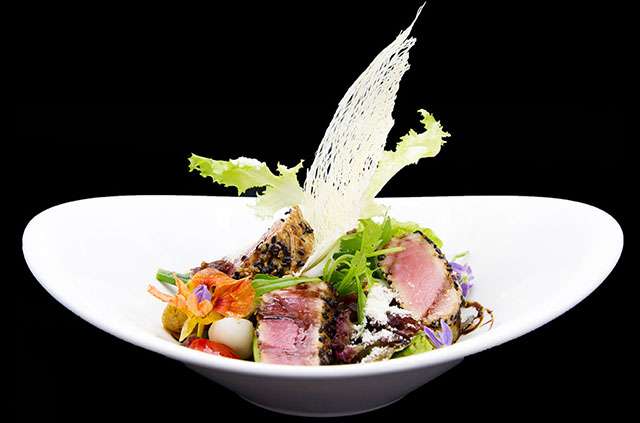
How to Taste the Layers of Duong Restaurant Saigon’s Beef Rolls
A beef roll can look simple on the plate, yet its character often comes from several elements working together: tender meat, fresh herbs, rice noodles, a soft wrapper, and a sauce that brings the flavors into focus. At Duong Restaurant Saigon, this Vietnamese-inspired dish offers a thoughtful way to explore contrast, balance, and texture in one composed bite.
The best approach is to slow down. Rather than dipping immediately or eating the entire roll in a single mouthful, notice how the aroma develops, how the wrapper gives way, and how the seasoning changes from the first contact with the palate to the finish.
This kind of mindful tasting suits the restaurant’s chef-led style and its blend of Vietnamese culinary ideas with French fine-dining presentation. A visit to Duong Restaurant Saigon can therefore become more than a meal; it can be a small lesson in how carefully layered ingredients create harmony.
Begin with the appearance and aroma
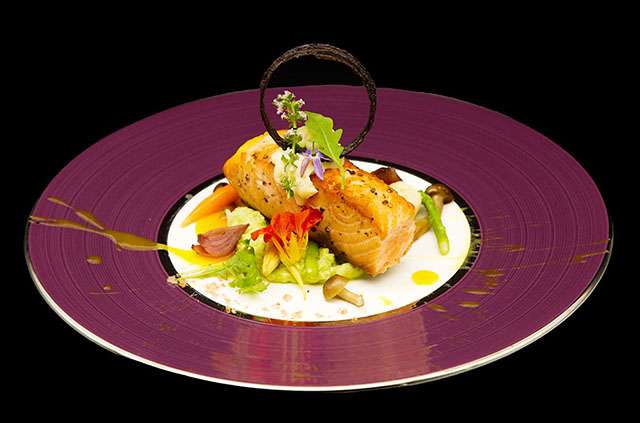
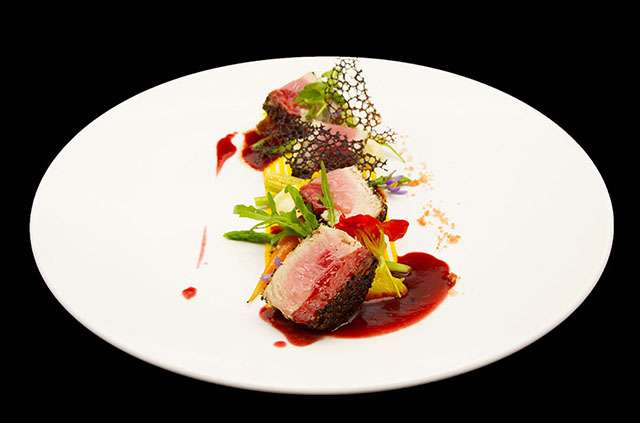
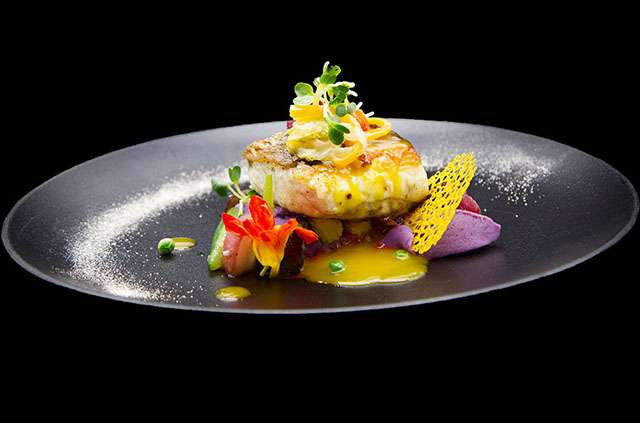
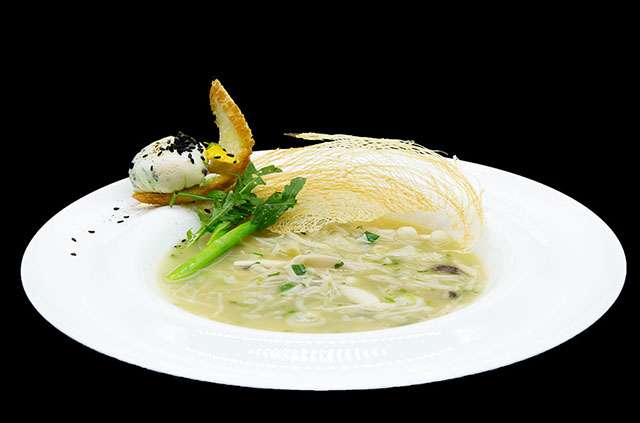
Before tasting, look at the construction of the roll. Notice whether the ingredients are tightly gathered or arranged with a little openness, and observe the contrast between the pale wrapper, greens, noodles, and beef. These visual details can suggest whether the bite will feel delicate, fresh, rich, or substantial.
Bring the roll close enough to catch its aroma without rushing. Fresh herbs may provide a clean, green fragrance, while cooked beef contributes warmth and savoriness. Rice noodles are relatively neutral, so they allow the meat, vegetables, and sauce to shape the overall identity of the dish.
If a dipping sauce is served separately, smell it on its own before combining it with the roll. Its aroma may reveal acidity, sweetness, herbs, or savory depth that will become more noticeable after the first bite.
Taste each component separately
When possible, begin with a small taste of the beef without sauce. This helps you identify its seasoning and texture before other ingredients become involved. Look for tenderness, gentle saltiness, peppery warmth, or a roasted note, depending on how the meat has been prepared.
Next, taste a little of the noodle, wrapper, or accompanying greens. Rice noodles bring softness and a mild grain-like quality, while herbs and vegetables add crispness and lift. These ingredients prevent the beef from feeling heavy and create the fresh profile associated with Vietnamese cuisine.
The purpose is not to dissect the dish permanently. It is simply a way to understand the role of every part. Once you know what each ingredient contributes, the complete roll becomes easier to appreciate as a balanced composition.
Follow the layers in one bite
Take a moderate bite that includes beef, noodles, herbs, wrapper, and a small amount of sauce. Avoid using too much sauce at first, since an excess can cover the delicate differences between the ingredients.
Pay attention to the order in which the flavors arrive. The wrapper and noodles may appear first as soft, neutral elements. The beef then provides the central savory note, while herbs add freshness. Finally, the sauce may introduce acidity, sweetness, salt, or a deeper umami finish.
Chew slowly enough to notice the textural progression. A well-composed beef roll can move from tender to silky to lightly crisp, depending on the vegetables and herbs inside. This changing mouthfeel is one of the main reasons the dish rewards a slower pace.
| Tasting stage |
What to notice |
Why it matters |
| First glance |
Color, shape, and ingredient arrangement |
Shows the balance between refinement and freshness |
| Initial aroma |
Beef, herbs, sauce, and toasted notes |
Prepares the palate for the flavor profile |
| First bite |
Wrapper, noodles, and meat together |
Reveals the basic structure of the roll |
| Mid-chew |
Tenderness, crunch, and herbal lift |
Shows how textures create contrast |
| Finish |
Sauce, acidity, spice, and lingering savoriness |
Defines the dish’s final impression |
Adjust the sauce with intention
The dipping sauce should enhance the roll rather than dominate it. Start with a light dip, allowing only part of the exterior to touch the sauce. This gives you a clear comparison between the natural flavor of the filling and the fuller seasoned version.
After the first sauced bite, try a slightly deeper dip if the balance calls for it. A sharper sauce can brighten rich beef, while a sweeter or more savory sauce can make the dish feel rounder and more comforting. The ideal amount depends on your palate, but gradual adjustment helps you recognize what changes.
Pause briefly between bites. Water can refresh the palate, while a mild side dish or a few plain greens can clear lingering salt, spice, or acidity. This keeps each tasting moment distinct, especially when the beef rolls are part of a larger fine-dining meal.
Notice the Vietnamese and French influence
The Vietnamese foundation is often easiest to recognize through the herbs, rice noodles, freshness, and balance of savory, sweet, and acidic notes. These qualities create a dish that feels light and aromatic even when beef provides a satisfying center.
The French influence may appear through restraint, plating, sauce control, or the way the ingredients are presented as a composed dish. Rather than changing the identity of the roll, these details can give it a more polished dining-room expression.
That combination is useful to consider while eating. Instead of asking whether the dish is traditionally Vietnamese or distinctly French, focus on how the two approaches meet: vibrant ingredients remain central, while technique and presentation encourage careful tasting.
Build a relaxed tasting ritual
A quiet dining room makes it easier to observe small details without turning the meal into a formal exercise. You can use this simple sequence to explore the beef rolls at your own pace:
- Look at the roll and identify the visible ingredients before dipping.
- Smell the beef, herbs, and sauce separately when possible.
- Take one bite with minimal sauce to understand the core flavors.
- Take a second bite with a fuller dip and compare the finish.
- Notice which texture and flavor remain longest after swallowing.
Photography can also sharpen attention to composition and color. The restaurant’s photographer’s guide offers useful context for observing how light, arrangement, and plating influence the way a dish is perceived before the first bite.
Pair the rolls with the whole experience
Beef rolls can work beautifully as an opening course or as part of a broader Vietnamese-inspired meal. Their fresh herbs and rice noodles provide a lighter counterpoint to richer seafood, salads, or more deeply seasoned dishes. Eating them early may also help the palate recognize their delicate balance.
Consider the atmosphere as part of the tasting. A cozy setting, attentive service, and a measured pace allow the flavors to unfold without distraction. Fine dining is often about this relationship between dish and setting: presentation invites curiosity, while service gives you time to notice the details.
Next time you dine at Duong Restaurant Saigon, give the beef rolls a few unhurried minutes. Taste them plain, then with sauce; notice the softness, freshness, savoriness, and finish; and let each layer contribute to the complete experience. Reserve a table and explore the dish at your own pace.