How to Use Chopsticks and French Cutlery at Duong Restaurant Saigon
Dining at Duong Restaurant Saigon is an opportunity to enjoy Vietnamese flavors presented with French refinement. On Dong Du Street in District 1, the restaurant brings together familiar ingredients, chef-led preparation, polished service, and a relaxed fine-dining atmosphere.
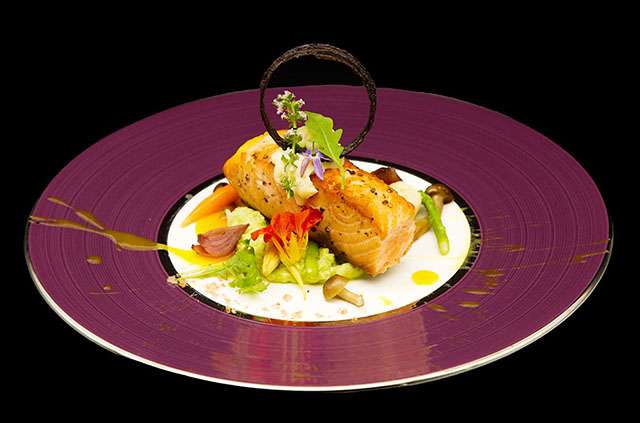
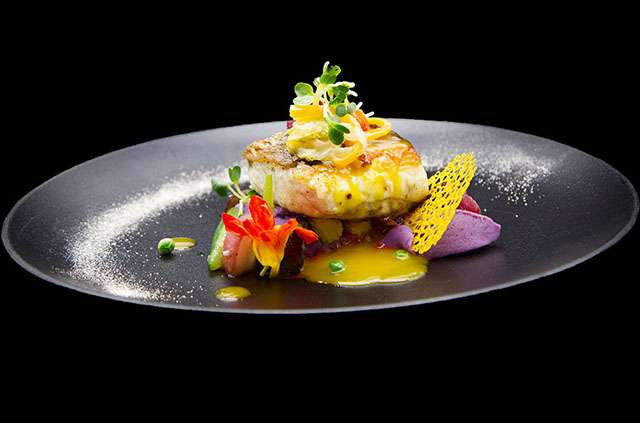
The menu may include rice noodle beef rolls, seafood, tuna steak, salads, mushroom soup, and other Vietnamese-inspired dishes. Because each course can reflect both culinary traditions, guests may encounter chopsticks beside a knife and fork. Knowing when and how to use each utensil makes the meal feel natural and comfortable.
There is no need to treat the table as a test of formal etiquette. Good dining manners are mainly about using utensils cleanly, allowing other guests to enjoy their meal, and following the rhythm of the service. A few simple techniques will help you appreciate every course with confidence.
Reading The Place Setting
At the beginning of the meal, take a moment to identify the utensils before reaching for anything. Chopsticks are generally suited to bite-sized Vietnamese dishes, noodles, rolls, and delicate pieces of seafood. A fork and knife may be placed for Western-style courses, while a spoon is useful for soup, sauces, or rice-based preparations.
In a Vietnamese and French fusion setting, the presence of both styles is intentional. The cutlery supports the structure of the dish rather than replacing Vietnamese dining customs. If a course arrives with a particular utensil, use that pairing as the clearest guide.
Napkins should rest on your lap once you are seated. Keep used utensils on your plate or bowl rather than placing them directly on the table, and avoid moving items around before the first course arrives.
Holding Chopsticks With Ease
Hold the first chopstick between the base of your thumb and the side of your ring finger, keeping it steady. Place the second chopstick between your thumb and index finger, much like holding a pencil. The upper stick should move while the lower stick remains relatively still.
Use gentle pressure to pick up food instead of squeezing hard. This is especially helpful with rice noodle beef rolls, vegetables, or seafood, which can break when handled roughly. If a piece is too large, take a smaller portion or use the serving utensil rather than attempting to cut it with chopsticks.
Avoid pointing with chopsticks, waving them while speaking, or tapping the bowl. Do not spear food unless the dish is clearly difficult to pick up and no alternative utensil is provided. Rest them on the chopstick holder, if available, whenever you pause.
Using Knife, Fork, And Spoon
French cutlery is most useful when a dish has a composed presentation or a texture that benefits from cutting. Hold the fork in your left hand and the knife in your right when cutting, using the knife to guide food onto the back or tines of the fork. Cut one or two bites at a time rather than dividing everything at once.
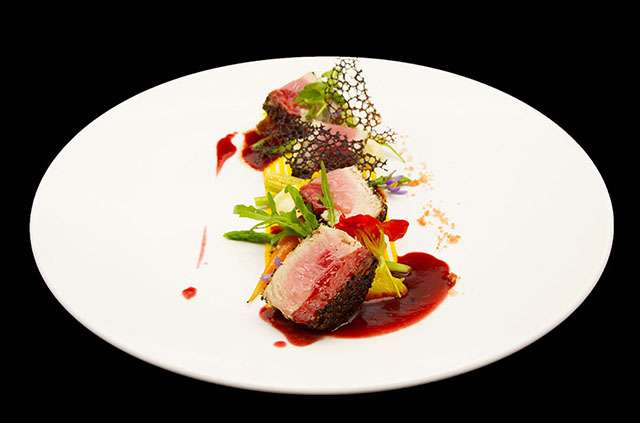
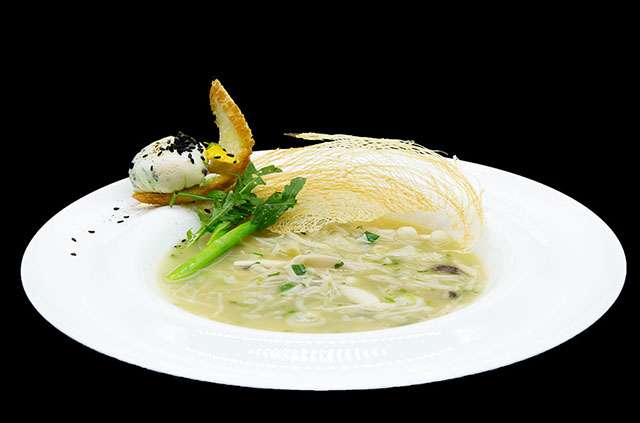
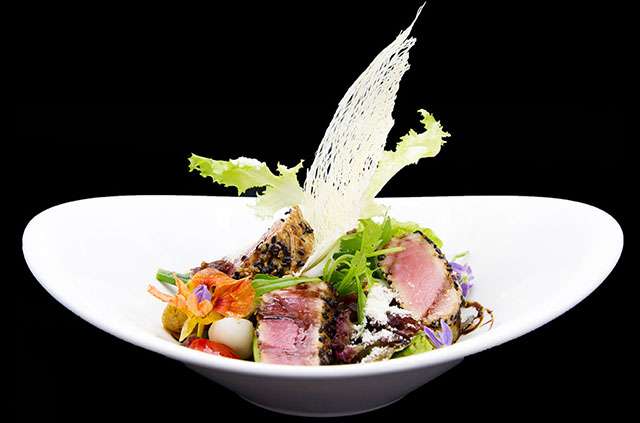
For tuna steak and other Western-style plates, the knife can separate the food cleanly while the fork provides control. A spoon may be more practical for mushroom soup, broth, dressing, or a sauce served beneath the main ingredients. Use the utensil that preserves the dish’s presentation and makes each bite easy to manage.
When finished, place the knife and fork together diagonally on the plate, with the handles angled toward the lower right. For a pause, rest them separately on the plate. This signals whether you have finished without requiring an explanation to the server.
Matching Utensils To Each Course
The best choice depends on the ingredients, preparation, and presentation. Vietnamese dishes are often designed for sharing or picking up in smaller portions, while French-influenced plates may call for more controlled cutting. When unsure, wait briefly and observe how the dish is served or ask the attendant discreetly.
| Dish or Course |
Preferred Utensil |
Helpful Technique |
| Rice noodle beef rolls |
Chopsticks |
Lift gently and take manageable bites |
| Seafood with shell or sauce |
Fork and knife, or chopsticks |
Use the provided tools for firm pieces and sauce |
| Tuna steak |
Knife and fork |
Cut one bite at a time |
| Mushroom soup |
Spoon |
Sip quietly and avoid lifting the bowl |
| Salads |
Fork or chopsticks |
Gather greens without overloading the utensil |
| Shared side dishes |
Serving spoon or chopsticks |
Transfer food to your plate before eating |
For dishes that combine soft noodles, herbs, and sauce, chopsticks can offer better control. For a carefully arranged plate with sliced protein or a rich reduction, French cutlery is usually more convenient. Switching between utensils during the meal is perfectly appropriate.
Combining Vietnamese And French Etiquette
Fusion dining works best when the two traditions are treated as complementary. You might use chopsticks for a Vietnamese appetizer, a spoon for soup, and a knife and fork for tuna steak. This sequence follows the needs of the food rather than forcing every course into one style.
If a shared dish is placed in the center, use the serving utensils when available. Place a portion on your own plate before eating, especially when dining with colleagues or new acquaintances. Avoid reaching across another guest, and allow the server to clear or replace plates when necessary.
The restaurant’s approach reflects a broader conversation between local flavor and European technique. The story behind this style is explored in Vietnamese street food, where familiar Saigon tastes meet careful French-inspired preparation.
Small Habits That Improve The Meal
Polished etiquette is mostly quiet and practical. Keep utensils below shoulder level, avoid making noise against bowls and plates, and take time to taste sauces before adding anything. If you need assistance, place your utensils down and speak to the server rather than gesturing with them.
A relaxed pace also helps. Fine dining service may allow time between courses, and pausing gives you an opportunity to appreciate the aroma, temperature, and texture of each dish. It is entirely acceptable to ask what an unfamiliar ingredient is or which utensil best suits a course.
For a comfortable visit, keep these habits in mind:
- Use serving utensils for shared dishes whenever they are provided.
- Rest chopsticks on a holder or beside the bowl instead of crossing them over it.
- Cut food into bite-sized portions and avoid using a knife to push food onto chopsticks.
- Choose the spoon for broth, soup, and liquid sauces.
- Follow the server’s presentation when a course arrives with special cutlery.
Preparing For A Relaxed Saigon Meal
A little context can make the dining experience even more rewarding. Duong Restaurant Saigon’s menu connects Vietnamese ingredients with French culinary discipline, so the table may shift naturally from casual chopstick techniques to formal knife-and-fork service. The same balance can be seen in the restaurant’s French-style mushroom soup, where a familiar comfort dish receives a refined interpretation.
If you are exploring Ho Chi Minh City before or after dinner, local food culture extends well beyond the restaurant. A visit to Binh Tay Market offers another perspective on Vietnamese ingredients, aromas, and everyday culinary life.
Reserve a table on Dong Du Street, arrive ready to enjoy the chef-led menu, and let each course determine the utensil in your hand. With a steady pair of chopsticks, comfortable French cutlery technique, and an unhurried attitude, you can experience Duong Restaurant Saigon with ease.