The best spots for photos inside Duong Restaurant Saigon and nearby
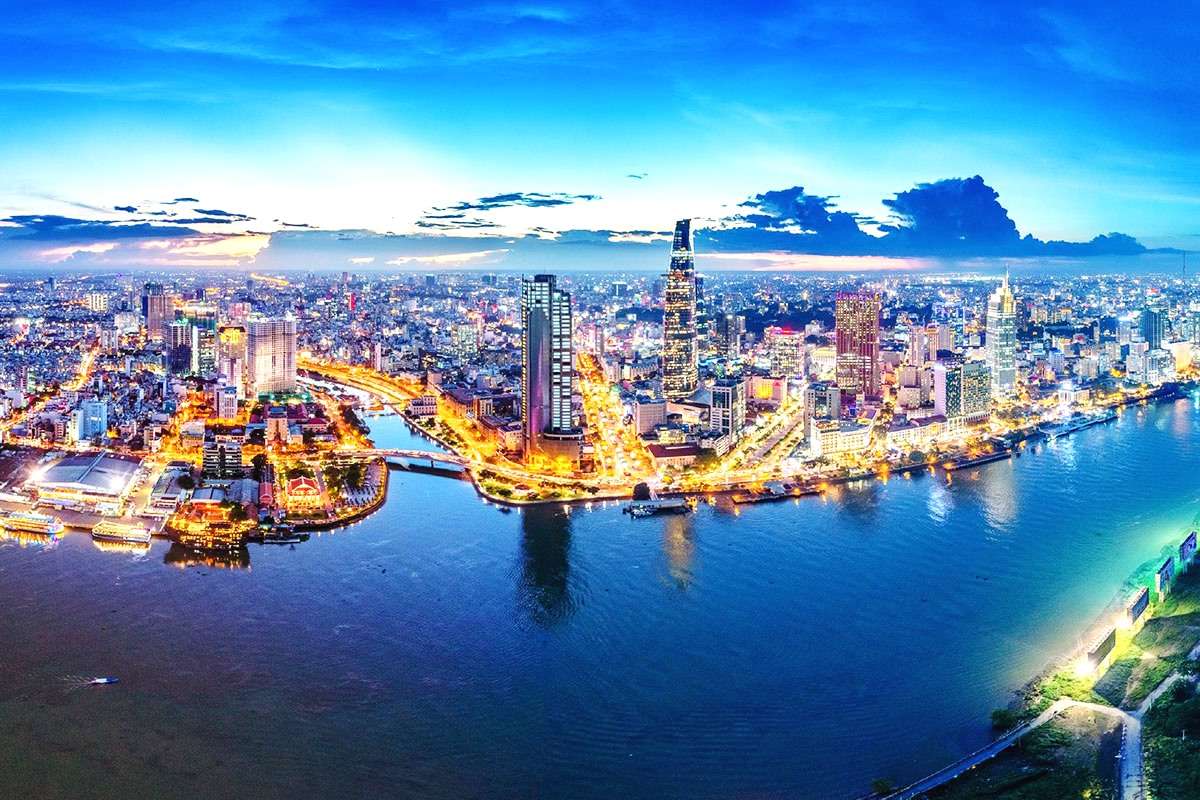
Photographing Duong Restaurant Saigon works well when the meal and surrounding streets become one visual story. The best spots for photos inside Duong Restaurant Saigon and nearby include the entrance, softly lit dining areas, carefully presented dishes and the energetic lanes of District 1 in Ho Chi Minh City.
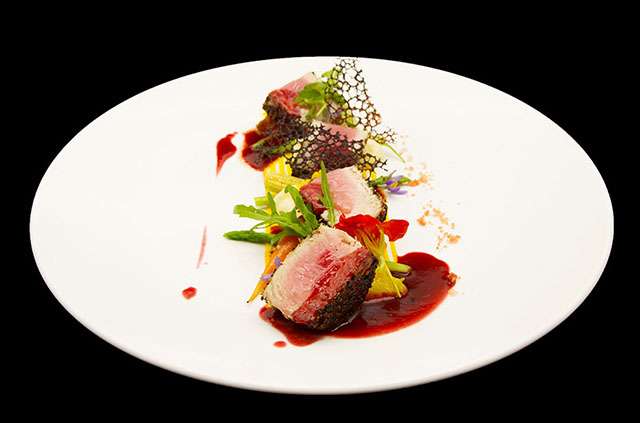
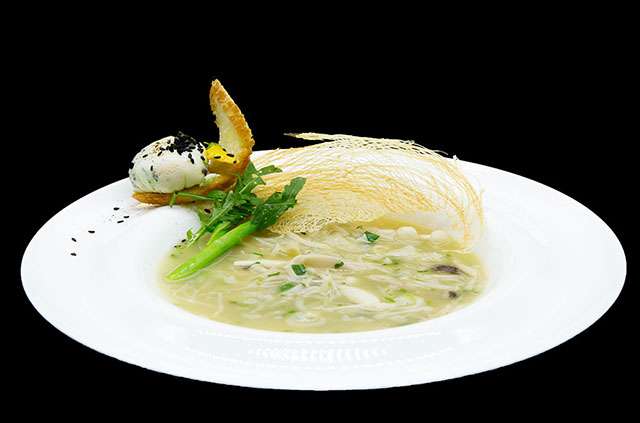
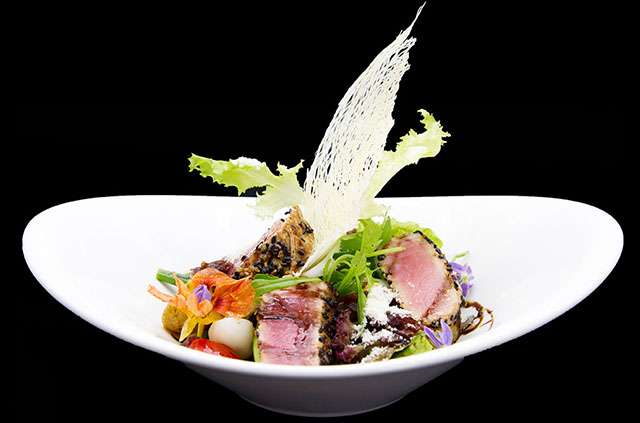
Duong brings Vietnamese flavours into a French fine-dining setting on Dong Du Street. Its chef-led menu, rice noodle beef rolls, seafood, tuna steak, mushroom soup and colourful salads give a camera plenty of texture, while the cosy atmosphere rewards shots of place settings and candid dining details.
Good light, seating availability and patience matter. A weekday visit generally offers more space and fewer interruptions, while a weekend lunch captures street life at its busiest. Arrive early enough to settle in without turning the meal into a rushed photo session.
For Australian travellers, the pace feels familiar: long brunches are social events in Melbourne, laneway walks are a weekend ritual, and people say “no worries” or “grab a seat” casually. Borrow that relaxed style while still asking staff before including diners in frames.
Begin at the entrance and work inward
The doorway on Dong Du Street is a natural first frame. Photograph the sign and façade in even daylight, then capture the transition from bright pavement to the warmer interior. One vertical image or one wide composition works better than several similar angles.
At reception, look for the view into the room and use the venue’s own images to confirm its most characteristic corners. Composing around the host stand can reveal the welcome, but avoid blocking service. A low viewpoint across place settings often says “cosy dining room” better than a distant room-wide shot.
Turn the dining room into a visual story
The strongest interior frames usually connect food, furniture and people rather than isolate one decorative detail. Seat yourself where you can see several layers: a foreground place setting, a dish in the middle distance and soft activity behind it. Ask the server for a recommendation on where the light falls before ordering.
For another visual benchmark, the contemporary presentation at Souk Restaurant can help you compare bright ingredient-led photography with a moodier restaurant style. Treat it only as a reference for visual mood; Duong’s own space, service and plating should determine the final frame.
In the dining room, create a sequence: atmosphere, hero dish, small detail. Keep angles purposeful and include the French-Vietnamese story in your notes. Understanding the kitchen’s thinking makes captions more specific than repeating that every plate looks photogenic.
Match each shot to the available light
Light changes quickly in a compact city restaurant, especially around windows and doorways. Check the room before choosing your position and ask when the best seat will be available. For nearby exteriors, late afternoon warms stone façades, while early evening brings signs, traffic and reflections into focus.
| Location |
Best composition |
Ideal light |
Useful approach |
| Entrance and façade |
Sign framed by the doorway |
Soft daylight |
Keep verticals straight and simplify the background |
| Cosy interior |
Place setting with room depth |
Window light |
Expose for highlights and avoid direct flash |
| Hero plates |
Rice rolls, tuna or salad |
Even room light |
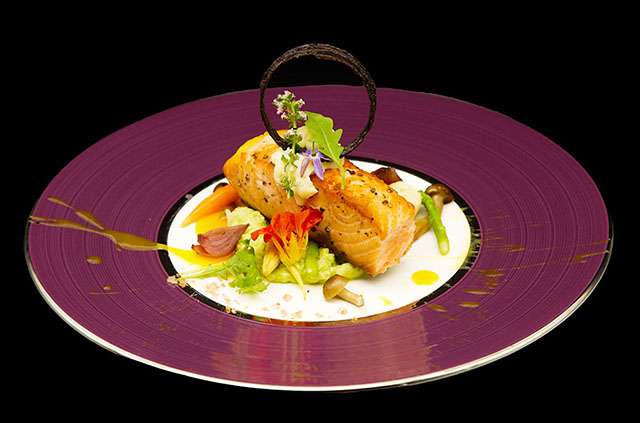
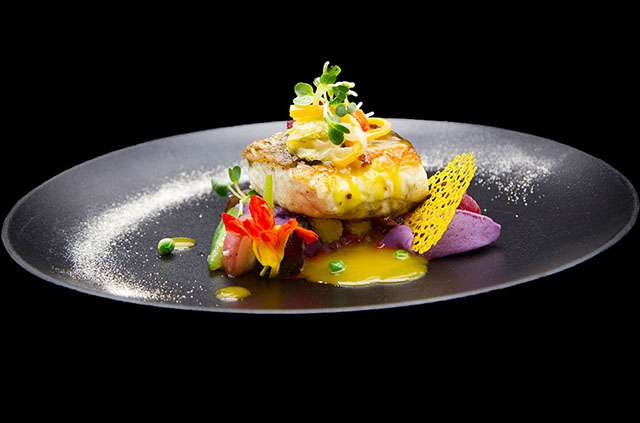
Shoot the untouched first plating |
| Nguyen Trai walk |
People, storefronts and movement |
Late afternoon |
Walk slowly and vary your viewpoint |
| Market edge |
Stalls, fruit and street details |
Bright open light |
Frame details without blocking vendors |
Turn off flash and take one stabilised frame before experimenting. A wider view often survives cropping better than a tight shot. If a dish arrives between courses, capture it immediately rather than rebuilding the scene after the food has changed.
Photograph the food with a lighter touch
Begin with the dish that has the strongest colour contrast. The rice noodle beef rolls can work as a diagonal composition, tuna steak as a clean protein study, and a mushroom soup or salad as an overhead frame. Ask when the kitchen considers the plate ready, then photograph the first untouched version.
For context that adds depth to seafood images, the restaurant’s fish sauce guide explains how a foundational Vietnamese ingredient shapes its French-Vietnamese dishes. A caption can then focus on the actual flavour story instead of using vague labels such as “authentic” or “beautiful”.
Avoid over-styling. Move garnishes only with the server’s permission and leave packaging out of frame. Use a phone’s main camera, tap to lock focus and step back if your shadow appears. Natural light plus one clean overhead angle is usually enough.
Extend the photo walk into District 1
From Dong Du, Nguyen Trai pedestrian street is the easiest extension, with shopfronts and foot traffic close at hand. Continue toward the grand façades of the Central Post Office and Notre-Dame Cathedral, or make Ben Thanh Market the longer, busier endpoint. Keep the route flexible around traffic and street stalls.
For an appetite between photo stops, the Saigon street food guide points adventurous guests toward local specialities and helps distinguish a planned tasting route from a random wander. Choose two or three stops rather than turning the walk into a race; the slower pace yields better street scenes.
Look for layered compositions rather than photographing the nearest landmark. A scooter can add scale to a colonial building, a fruit stall can brighten a shaded lane and a hotel window can reflect the street. In Vietnam, a friendly “no worries” is less useful while crossing busy traffic; follow local cues and use marked crossings.
Build a relaxed plan for Australian diners
Australians usually check a booking app or restaurant site before eating out, especially for long lunches, so confirm opening hours, set-menu terms and cancellation rules. Melbourne laneway snapshots and Sydney waterfront scenes share that appetite for visual detail, but Saigon adds a scooter-paced street rhythm. Allow time for both a proper meal and an unhurried walk.
For polished food and interior images
- Reserve a quieter time and choose seating with depth.
- Arrive 15 minutes early for an entrance shot.
- Photograph the untouched first plating.
- Keep one wide frame and two close details.
- Ask before photographing staff or diners.
For an easy District 1 walking loop
- Start on Dong Du and enter Nguyen Trai Pedestrian Street.
- Stop at the Post Office and cathedral façades.
- Walk toward Ben Thanh Market at a slower pace.
- Return through a shaded lane with street-food interest.
- Save the freshest frames for late-afternoon light.
Reserve your seat, review the restaurant’s current images and ask the team which corner gives the best view that day. Order one signature plate, capture it while the room is at its calmest, then follow the District 1 route and share a considered photo sequence from your visit.