How to Taste Duong’s Menu: Small Plates or Full Mains
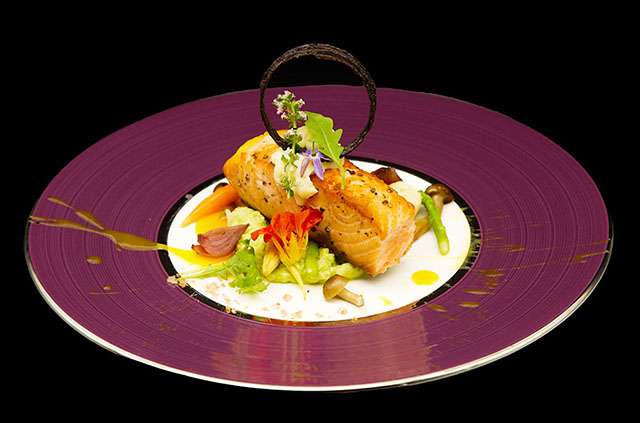
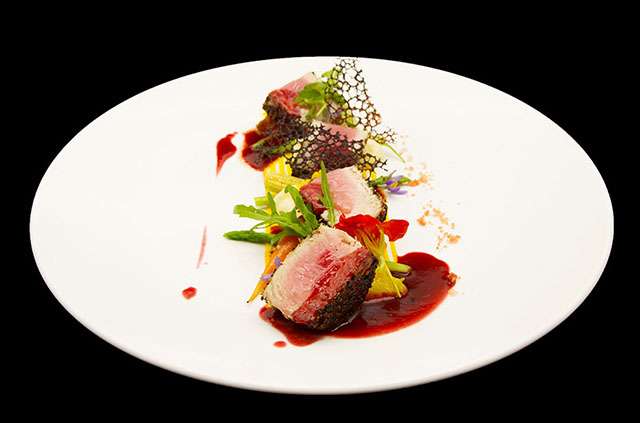
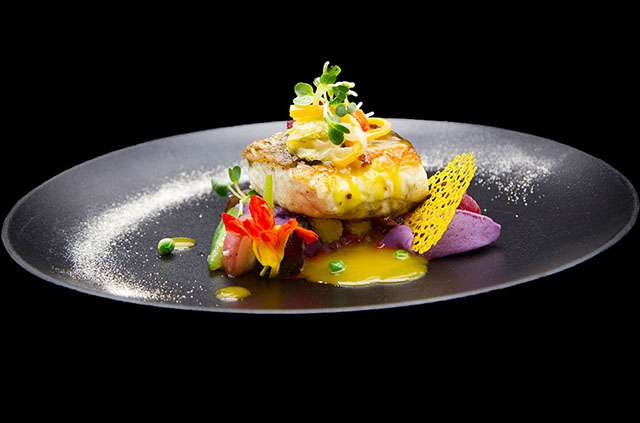
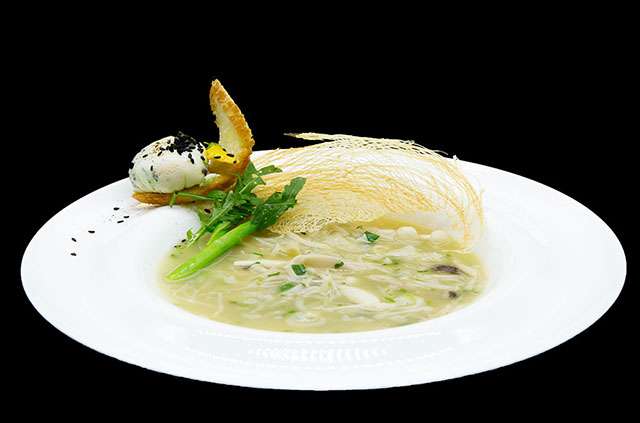
Dining at Duong Restaurant Saigon is less about choosing the “right” dish and more about shaping the evening you want. On Dong Du Street in District 1, the chef-led menu brings Vietnamese ingredients and familiar French techniques together, with options ranging from delicate salads and mushroom soup to seafood, tuna steak and rice noodle beef rolls.
For Australian diners accustomed to sharing plates in Melbourne laneways, ordering seafood at Sydney Fish Market or settling in for a long restaurant lunch, the choice comes down to pace and curiosity. Small plates create variety across the table, while a full main offers a more focused expression of one dish and its ingredients.
Choosing Your Dining Style
Small plates suit guests who want to explore. You can move from a light salad to rice noodle beef rolls, then try seafood or soup without committing your entire meal to a single flavour profile. This approach also works well for couples or groups with different preferences.
Full mains are better when you have arrived hungry or want a composed, unhurried meal. A tuna steak or a carefully prepared seafood dish can act as the centrepiece, with a salad or soup added for contrast. The result feels closer to a traditional fine-dining progression than a casual grazing session.
The atmosphere matters, too. Duong’s cosy dining room encourages conversation, so sharing several dishes can make the meal social and relaxed. A main course, meanwhile, gives each diner a clear plate to enjoy at their own pace.
Small Plates Build A Broader Tasting
Sharing plates is a strong choice for first-time visitors to Vietnamese-inspired fine dining. It lets you compare textures and temperatures: a fresh salad beside a warm mushroom soup, or fragrant beef rolls alongside a richer seafood preparation. These contrasts keep the meal lively without making every course heavy.
Australian diners may recognise the rhythm from modern restaurants in Brisbane, Perth or Sydney, where a table orders several dishes for the centre and shares as they arrive. At Duong, this style gives the chef’s menu room to show its range, especially when the group includes adventurous and cautious eaters.
A balanced small-plate order could include:
- A fresh salad to begin with brightness and crunch
- Rice noodle beef rolls for a fragrant Vietnamese-inspired bite
- Mushroom soup for warmth and earthy depth
- A seafood dish to add a coastal, savoury note
Portion sizes and appetite will influence the final choice, so it is sensible to order progressively rather than fill the table immediately. This is particularly useful after a day walking through Ben Thanh Market or visiting the War Remnants Museum, when hunger can change by the time dinner begins.
Full Mains Make A Focused Meal
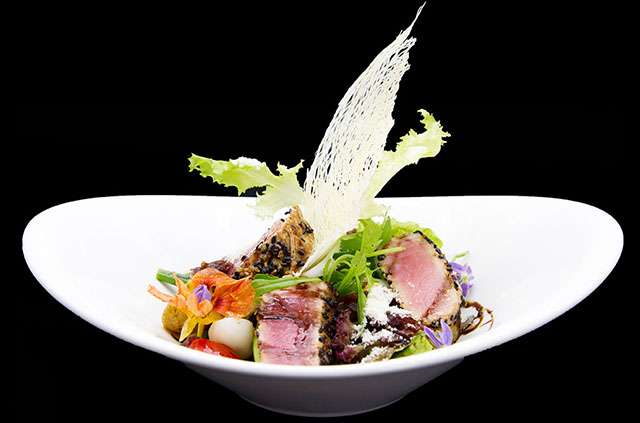
A full main is the clearest way to appreciate a dish from first bite to last. Tuna steak, for example, allows you to concentrate on the quality of the fish, the cooking technique and the accompanying flavours without competing plates around it. Seafood can provide the same sense of focus while reflecting Saigon’s proximity to the coast.
The best choice depends on the mood of the evening. A main course works well for a quiet dinner, a business meal or a special occasion when you prefer a measured sequence of dishes. Add one starter or side rather than several shared plates, and the meal remains polished without feeling excessive.
Seafood is especially appealing during Ho Chi Minh City’s warm, humid evenings. Duong’s guide to hot-evening seafood offers useful context for diners deciding between lighter coastal flavours and a more substantial main. It is a natural direction after a day of tropical heat.
A Practical Order For Two
For two diners, the ideal approach often sits between a tasting menu and a traditional main-course dinner. Begin with one shared starter, choose a central dish each, then add another plate only if the first courses leave you wanting more. This avoids over-ordering while preserving the chance to sample different styles.
The following guide can help match the format to your appetite and plans:
| Dining approach |
Best for |
Suggested structure |
Overall feel |
| Small plates |
Curious first-time guests |
Three or four shared dishes |
Social and varied |
| One main each |
A relaxed, focused dinner |
Starter, main and optional dessert |
Refined and steady |
| Hybrid order |
Couples with different appetites |
One shared plate plus two mains |
Flexible and balanced |
| Larger sharing meal |
Groups of three or more |
Several starters, seafood and mains |
Generous and celebratory |
A hybrid order is often the safest option. One salad or soup can open the meal, while each guest selects a different main. This gives you the comfort of a complete course and the pleasure of comparing flavours across the table.
Match The Menu To Saigon’s Weather
Ho Chi Minh City’s heat can make freshness more appealing than richness. On a humid afternoon or after a walk along Nguyen Hue Walking Street, a salad and seafood combination may feel more comfortable than multiple heavy dishes. The restaurant’s air-conditioned dining room provides a welcome pause, yet a lighter order still suits the climate.
Duong’s approach to salads reflects the balance that many travellers seek in hot weather: crisp vegetables, aromatic herbs, lively dressing and carefully chosen additions. Guests interested in the preparation can read this salad-making guide before deciding whether salad should be a supporting plate or the centre of a lighter meal.
Australians are familiar with adapting meals to the season, whether choosing grilled prawns in summer or browsing fresh produce at Queen Victoria Market in Melbourne. The same instinct works in Saigon: let the weather, your sightseeing schedule and your appetite guide the balance between cool, bright dishes and warm, comforting courses.
Bring Vietnamese Flavours Into The Evening
The menu is most enjoyable when diners allow Vietnamese flavours to lead rather than expecting a conventional European sequence. Aromatic herbs, rice noodles, seafood and fresh vegetables may appear alongside French-influenced presentation and technique. That combination creates a meal with both familiarity and discovery.
For guests eager to explore beyond the dining room, Duong’s guide to Saigon street food provides a useful companion. It can help place the restaurant’s dishes within the wider food culture of the city, from casual stalls to chef-led dining.
A few ordering principles keep the experience balanced:
- Pair a rich main with a crisp or herb-led side
- Use soup as a gentle opening rather than an extra heavy course
- Choose seafood when you want freshness and regional character
- Share a second plate only after tasting the first round
French influences can also appear in unexpected flavour combinations. Diners familiar with Mediterranean cooking may recognise the appeal of black olives and preserved lemons, where salty, citrusy and savoury notes create contrast. That same attention to balance helps explain why Duong’s Vietnamese-French style feels layered without becoming confusing.
The most rewarding order at Duong is the one that matches the evening. Choose small plates when discovery and conversation are priorities; select full mains when you want to slow down and focus on a signature preparation. For the best of both, share one light opening dish and let each diner choose a main.
Reserve a table at Duong Restaurant Saigon on Dong Du Street and plan your meal around the flavours you most want to experience. A chef-led menu, intimate setting and thoughtful service make either style a memorable way to dine in District 1.