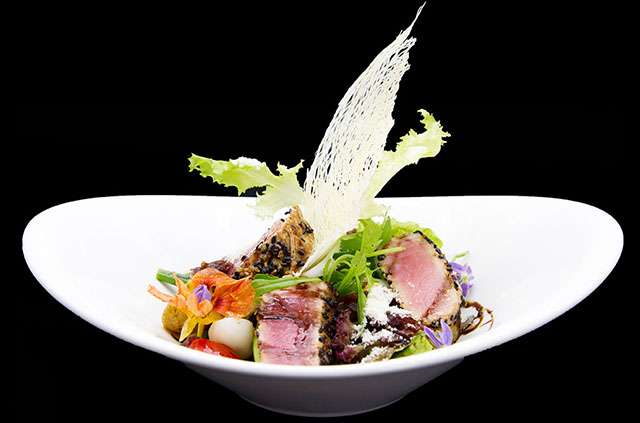
Vietnamese and French sauces in Duong’s fusion kitchen
Vietnamese and French sauces often meet the same plate with opposite instincts: one seeks lift and immediacy, while the other builds depth through fat, reduction or emulsification. In a fusion kitchen, that contrast becomes a way to understand the whole meal.
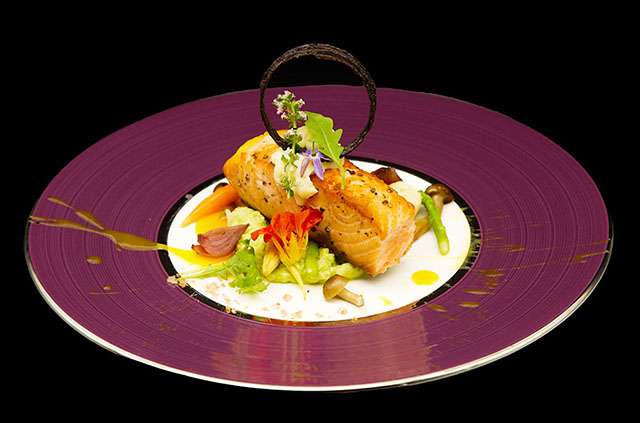
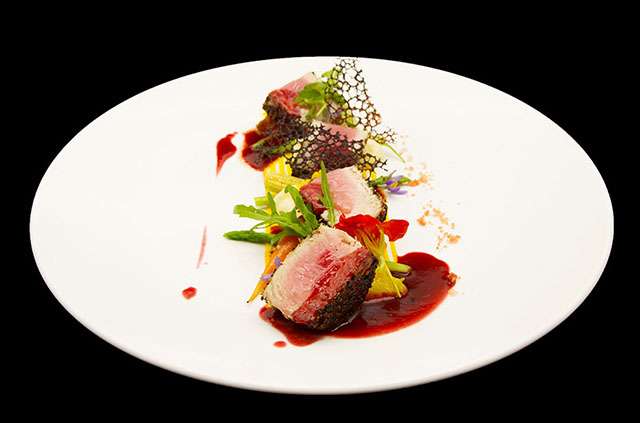
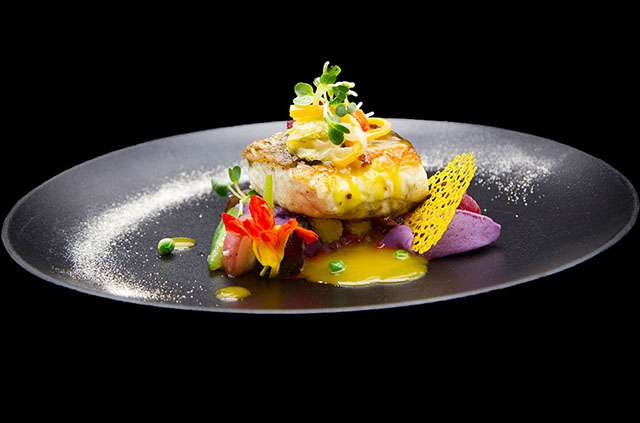
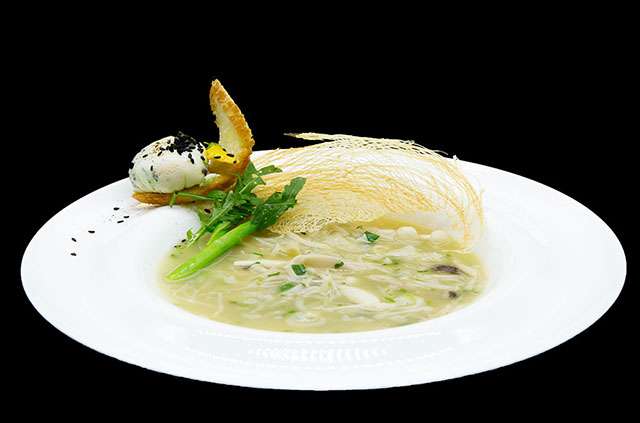
Duong Restaurant Saigon, on Dong Du Street in District 1, Ho Chi Minh City, brings these culinary languages together through a chef-led fine-dining menu. Its beef rice noodle rolls, seafood, tuna steak, mushroom soup and salads give sauce a central role.
The distinction is not a contest between two national recipes. It is a study of contrasting methods, ingredients and textures, best explored by noticing how each bite is seasoned and how the accompanying sauce changes it.
Saigon’s roots in a fusion kitchen
Vietnamese-French fusion developed through the meeting of colonial history, regional Vietnamese ingredients and French culinary technique. The result is not a literal copy of Parisian cooking. It reflects Saigon’s appetite for adaptation, layering and the creative use of seafood, fresh herbs and bold seasonings.
A useful account of that exchange appears in Saigon’s fusion history, which traces how the city’s kitchens turned outside influences into a distinctive culinary identity. That background gives Duong’s dishes a sense of place rather than making them curiosities imported from elsewhere.
Vietnamese sauces built on balance
A Vietnamese-style sauce commonly combines fish sauce, lime or vinegar, chilli, sugar and fresh herbs. Other versions draw on fermented soybean paste, shrimp paste, garlic, ginger or roasted peanuts. The aim is often balance: enough salt to savoury depth, acidity to keep the palate awake and chilli or warmth to give the dish momentum.
These sauces can also carry substantial body. A diluted dipping sauce such as nước mắm pha differs greatly from a herb-heavy dressing or a chilli paste, showing how “Vietnamese sauce” can range from watery and fragrant to dense and fiery. For Australian home cooks, Coles and Woolworths commonly stock fish sauce, light soy, rice vinegar, limes and coriander, making the essential pantry surprisingly accessible.
French sauces built on technique
French sauces frequently rely on butter, stock, wine, cream or egg yolks. Some are reductions, such as demi-glace, while others are emulsions, including hollandaise, béarnaise and beurre blanc. Their defining qualities are often gloss, body and controlled richness, with acidity used to sharpen rather than dominate.
A European reference such as farfalle with mushroom cream illustrates the contrast: mushrooms are carried by a smooth, creamy finish and the aroma of tarragon, rather than by a thin dressing redolent with lime, chilli and coriander.
Duong’s chef-led point of difference
Duong’s menu provides several useful settings for this comparison. A tuna steak places a polished sauce against a rich, centred protein; rice noodle beef rolls invite tasting through a handheld dish; mushroom soup reveals how broth and cream create different impressions of depth. Seafood and salads offer the clearest opportunities to judge acidity, herbs and freshness.
That approach is outlined in Chef Duong’s culinary philosophy. The important element is balance: French technique can give a dish polish and weight, while Vietnamese flavours can introduce brightness, fragrance and aromatic heat. The result can feel coherent when both sides serve the food rather than competing for attention.
A cross-cultural lens on broth and seasoning
A third culinary lens reveals how sauce can organise a meal. The seasoning logic behind Japanese ramen broths depends on concentrated tare, aromatic stock and carefully judged salt, even though ramen belongs to a different tradition from both Vietnamese and French cooking.
When tasting Duong’s dishes, consider aroma, acidity, salinity, sweetness, texture and heat in that order. Is the sauce sharp enough to clear the palate, or does it coat the food? Does the finish become richer with each bite? These observations help distinguish a bright Vietnamese-style dressing from a glossy French emulsion or reduction.
Australian dining details and allergen care
Food Standards Australia New Zealand sets allergen labelling and food safety requirements under the Food Standards Code. A restaurant sauce may contain fish, shellfish, milk, egg, soy or gluten, even when those ingredients are not obvious from the dish name. Guests with allergies should discuss the sauces with staff before ordering rather than relying on visual cues alone.
Across Sydney, Melbourne, Brisbane and Adelaide, diners often expect a rich steak sauce to arrive on the side and appreciate the freedom to share several plates. Weekend long lunches are also a familiar social ritual, so booking ahead is sensible. Duong’s reservation information and photographs can help Australian visitors plan a meal centred on its cosy atmosphere and chef-led cooking.
Compare the sauces, then choose your order
The clearest comparison begins with the sauces’ structure, from the concentrated seasoning of Vietnamese dressings to the emulsified or reduced character of many French preparations. At Duong, use the menu’s contrasting dishes to explore that difference in practice.
| Element |
Vietnamese-style sauces |
French-style sauces |
| Core ingredients |
Fish sauce, fermented soybean paste, lime, chilli, herbs and peanuts |
Butter, stock, wine, cream, egg yolks and reductions |
| Flavour balance |
Salty, sour, sweet and aromatic, often with clean chilli heat |
Savoury and rounded, with fat and acidity in measured balance |
| Main techniques |
Mixing, macerating, fermenting and finishing with fresh ingredients |
Reducing, whisking, emulsifying and mounting with butter |
| Typical texture |
Light and fluid, or thick with herbs, chilli and crushed nuts |
Silky, glossy, creamy or concentrated |
| Familiar forms |
Nước chấm, nước mắm pha and tương đậu |
Beurre blanc, hollandaise, béarnaise and demi-glace |
| Fusion potential |
Brings brightness and fragrance to rich or fried dishes |
Adds depth and polish to meat, seafood and mushrooms |
These are broad tendencies rather than national absolutes. Vietnamese broths can be deeply savoury, while French herb oils can be vivid and fresh. The pleasure lies in noticing how each technique responds to a particular ingredient.
A sauce-focused dining checklist
- Start with the rice noodle beef rolls and ask whether the dipping sauce can be served separately, allowing the first taste of the dish to remain distinct.
- Try the tuna steak or a seafood dish with its accompanying sauce, noting whether its acidity cuts through the richness or its body follows it.
- Pair the mushroom soup with a salad to compare concentrated savoury depth with a fresher, herb-led dressing.
- Request a rich sauce on the side and add it gradually, a familiar approach that gives Australian diners greater control over each bite.
- Mention any fish, shellfish, dairy, egg, soy or gluten allergies before ordering, because hidden ingredients may be present in the sauces.
Reserve your evening at Duong Restaurant Saigon on Dong Du Street and discover how Vietnamese brightness and French technique can meet on the same plate without losing their distinct personalities.