French Technique, Vietnamese Ingredients At Duong Restaurant Saigon
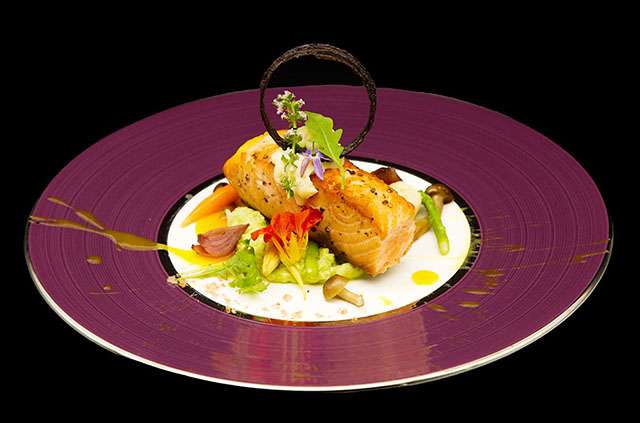
Duong Restaurant Saigon presents Vietnamese cuisine through a refined French lens, creating dishes that feel familiar yet distinctly contemporary. On Dong Du Street in District 1, the restaurant brings together a chef-led menu, polished presentation and the warmth of Vietnamese hospitality.
This fusion is not simply a matter of adding European sauces to local ingredients. It is a conversation between culinary traditions: French discipline gives structure to the cooking, while Vietnamese herbs, broths, seafood and rice-based ingredients keep each plate bright, aromatic and connected to place.
For Australian diners, the experience offers a compelling alternative to heavy restaurant meals. Visitors from Sydney, Melbourne, Brisbane and beyond can expect layered flavours, careful service and a relaxed setting that rewards curiosity without losing the comfort of recognisable ingredients.
A Culinary Philosophy Built On Balance
French cooking contributes technique, patience and precision. Stocks are developed for depth, sauces are reduced to concentrate flavour, and proteins are cooked with attention to texture. These methods allow Vietnamese ingredients to speak clearly rather than being overwhelmed by seasoning.
Vietnamese cuisine supplies the energy of the plate. Fresh herbs, fish sauce, rice noodles, tropical produce, seafood and crisp vegetables create contrast in aroma and mouthfeel. A rich French-style preparation can therefore be lifted by lime, coriander, chilli or pickled elements, producing a dish that feels elegant without becoming restrained.
This is the essence of the fusion philosophy at Duong Restaurant Saigon: technique establishes harmony, while local ingredients provide identity. The result is more nuanced than a simple combination of two cuisines.
French Methods Meet The Vietnamese Pantry
A dish such as a rice noodle beef roll demonstrates how different traditions can complement one another. The noodle wrapper and fresh herbs reflect everyday Vietnamese food culture, while the arrangement, balance of textures and treatment of the beef can carry a more formal French sensibility.
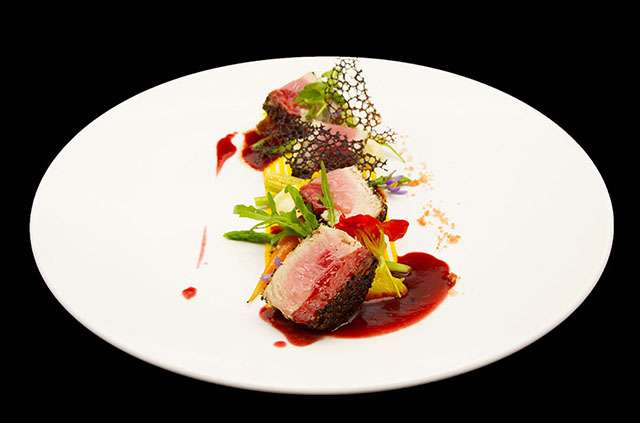
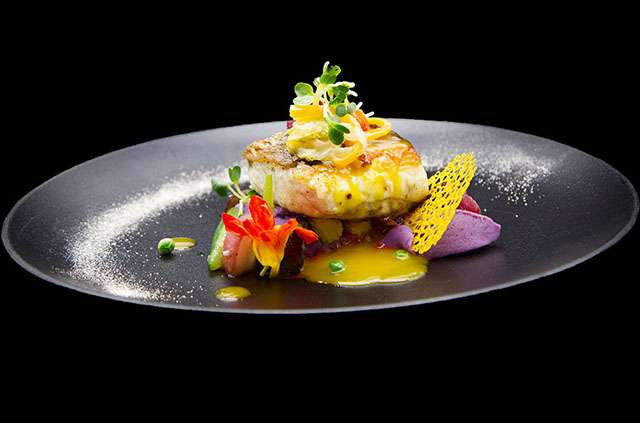
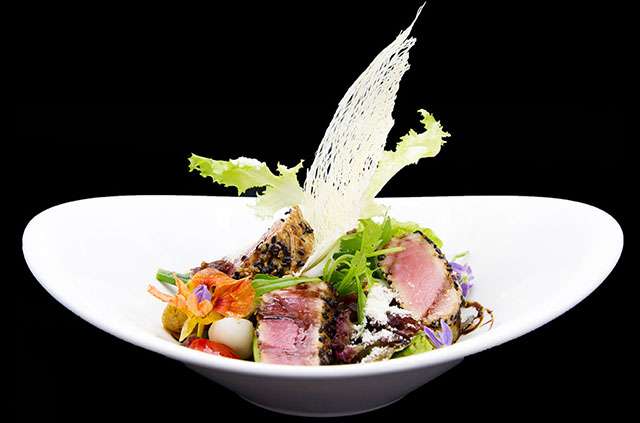
Seafood is another natural meeting point. Vietnam’s coastal produce benefits from gentle cooking, clear sauces and precise timing, all qualities associated with classical French cuisine. Tuna steak, for example, can be treated with the same respect for doneness found in a French kitchen, then paired with Vietnamese aromatics that add freshness and warmth.
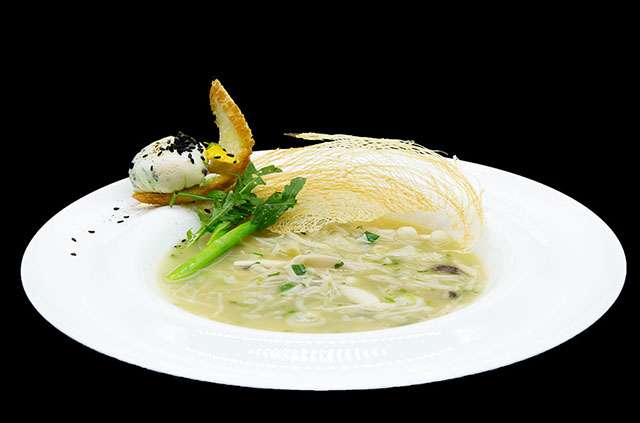
Mushroom soup and salads reveal the same approach in a lighter format. A carefully built broth can offer depth without heaviness, while a salad can combine crisp vegetables, herbs and a measured dressing instead of relying on cream or excess oil. These are useful choices for diners seeking a sophisticated lunch that still feels fresh in Ho Chi Minh City’s tropical climate.
Sweet, Savoury And Textural Contrast
Vietnamese food is particularly skilled at balancing opposing sensations. Salty fish sauce, sweet tropical ingredients, sour citrus and gentle bitterness can appear in one composed bite. French technique helps organise those flavours so that the progression feels deliberate rather than chaotic.
Duong’s approach to this relationship is explored in its guide to the sweet-savory balance, which is useful background before choosing several courses. The aim is not sweetness for its own sake, but a controlled contrast that makes savoury ingredients taste fuller and brighter.
Texture matters just as much. Tender beef, silky soup, seared tuna, fresh herbs and crisp vegetables create movement across a meal. Australian diners accustomed to modern Asian cuisine in Melbourne or Sydney may recognise this structure, while the specific herbs and sauces keep the experience firmly Vietnamese.
A Considered Experience For Australian Diners
The restaurant’s location on Dong Du Street makes it convenient for travellers staying in District 1, whether they are visiting markets, galleries, hotels or the city’s historic landmarks. Its cosy atmosphere suits a quiet lunch, a celebratory dinner or a meal shared after exploring central Ho Chi Minh City.
Australian dining habits can shape how visitors approach the menu. Many Australians are comfortable asking about gluten, shellfish, dairy, nuts and chilli, particularly because the Food Standards Code places strong emphasis on allergen declarations for packaged foods at home. In Vietnam, direct communication with the restaurant remains the safest way to discuss dietary requirements, especially for sauces, broths and marinades.
The same practical awareness applies to drinks and payment. BYO customs vary widely across Australia and state liquor laws shape how venues serve alcohol, so visitors should check Duong’s current policy rather than assume that an Australian-style arrangement applies. Allowing time for a composed meal is also worthwhile; the cooking is designed around freshness and balance, not rushed service.
The wider hospitality world is increasingly shaped by digital discovery, from restaurant guides to alternative payment conversations. A separate example of this modern food-and-technology culture can be found at Bitcoin Grill, while Duong remains grounded in chef-led cooking and the sensory character of Vietnamese ingredients.
Choosing A Menu That Suits The Occasion
A well-paced meal can begin with a salad or mushroom soup, move to seafood or tuna, and finish with a dish that brings together richer savoury notes. Sharing several plates makes it easier to notice the movement between French technique and Vietnamese flavour rather than judging the cuisine through one item alone.
For a daytime visit, the restaurant’s light lunch guide offers a useful way to think about portion, freshness and pacing. This can be especially helpful for Australians adjusting to Ho Chi Minh City’s heat, where a bright, balanced meal may be more appealing than a heavy multi-course feast.
| Dining approach |
French influence |
Vietnamese expression |
Best suited to |
| Light lunch |
Precise cooking and restrained sauces |
Herbs, rice noodles and fresh vegetables |
A warm afternoon or sightseeing day |
| Seafood course |
Gentle heat and careful timing |
Coastal ingredients, citrus and aromatic herbs |
Diners who enjoy clean, delicate flavours |
| Tuna steak |
Attention to doneness and presentation |
Local seasonings and bright accompaniments |
Guests seeking a familiar protein with a regional character |
| Mushroom soup |
Layered stock and refined texture |
Fragrant herbs and a lighter finish |
A comforting vegetarian-friendly course |
| Shared dinner |
Composed plating and balanced progression |
Contrasting sweet, salty, sour and fresh notes |
Groups wanting to explore several flavours |
Ways To Enjoy The Restaurant Thoughtfully
- Begin with lighter dishes to understand the restaurant’s use of herbs and acidity.
- Ask the team about sauces, marinades and possible allergens before ordering.
- Share selected courses so contrasting textures can be experienced together.
- Match the meal with enough time for careful cooking and relaxed conversation.
- Consider the heat and humidity when choosing portion size and spice level.
- Leave room to notice how sweetness and savouriness develop across the menu.
Duong Restaurant Saigon offers Australian travellers a polished way to encounter Vietnamese cuisine without reducing it to a tourist version. Reserve a table on Dong Du Street, bring an open appetite and let the chef-led menu reveal how French method and Vietnamese character can belong on the same plate.