Dong Du Street and the roots of colonial dining
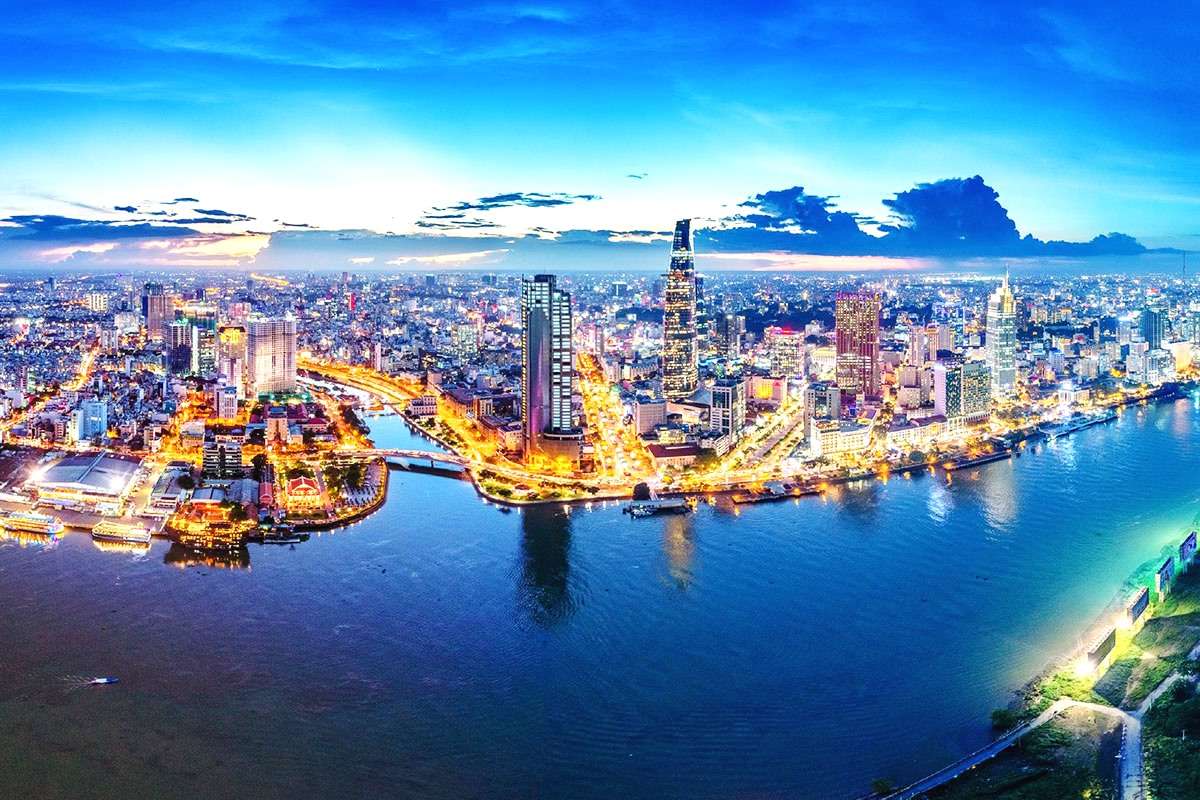
Walk along Dong Du Street in District 1 and the city feels layered: shuttered shopfronts, bright signs, traffic, hotel entrances and the scent of food all compete for attention. The short central street is not itself a museum, but it sits within a district where French-era planning, Vietnamese commerce and regional migration have left visible traces.
The history of Dong Du Street and its connection to colonial-era dining reveals a story of changing power and changing taste. Colonial restaurants did not simply replace Vietnamese food; they borrowed techniques, ingredients and service rituals while operating within a sharply unequal society. Understanding that mixture helps explain why French–Vietnamese cuisine still feels both local and cosmopolitan.
A colonial grid in central Saigon
Central Saigon took shape as French Indochina expanded from 1887, with grand boulevards, drainage, administrative offices and elite residences laid out around the old commercial core. Historical accounts associate Dong Du with the French-era Rue Paul Blanchy. The present Vietnamese name reflects the later remaking of the centre, when old European labels gave way to Vietnamese national and local identities.
The best surviving context is architectural. The Central Post Office anchors the area with its monumental facade, while nearby City Hall, the Notre-Dame Cathedral and older commercial buildings show the confidence of the colonial state. These were not neutral backdrops; their scale separated officials and visitors from the crowded lanes and markets beyond.
Food businesses followed that same spatial hierarchy. Hotels and clubs offered formal dining to foreign officials, professionals and wealthy residents, while Vietnamese vendors served a much larger public close to the working city. The contrast between marble dining rooms and pavement kitchens is central to understanding the period.
How colonial power shaped the dining room
Colonial menus commonly combined French sauces, cuts and table customs with tropical produce, coastal seafood and Vietnamese herbs. Restaurants in grand hotels were important training grounds for local cooks, many of whom later carried those techniques into Vietnamese institutions. Imported butter, wine and certain meats could signal status as strongly as the food itself.
The dining culture was already hybrid. Chinese kitchens, noodle sellers, markets and migrant cooks from across Asia fed a port city whose tastes were broader than the official colonial menu. European-style cafés and bakeries sat beside Vietnamese eateries, and elites ate out while millions relied on street food and home cooking.
Colonial dining therefore works best as context rather than a simple origin story. Its legacy lies in technique, architecture, restaurant etiquette and the complex exchange of ingredients. It does not mean that Vietnamese food began with France.
French menus meet Vietnamese ingredients
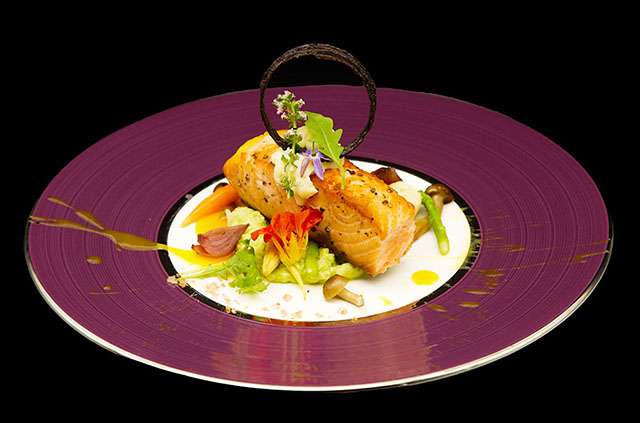
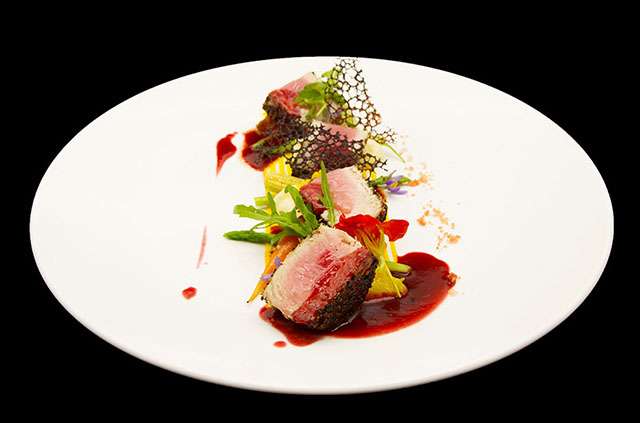
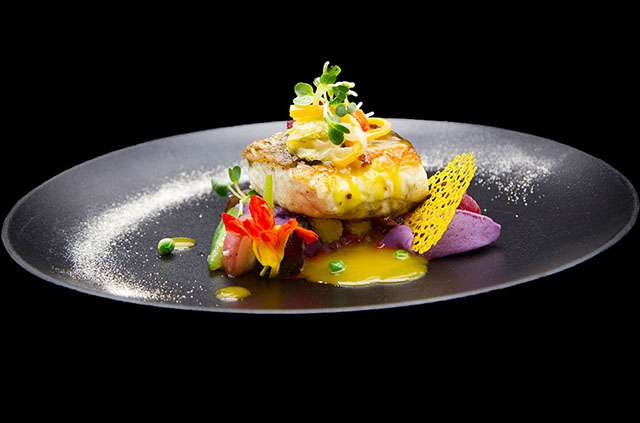
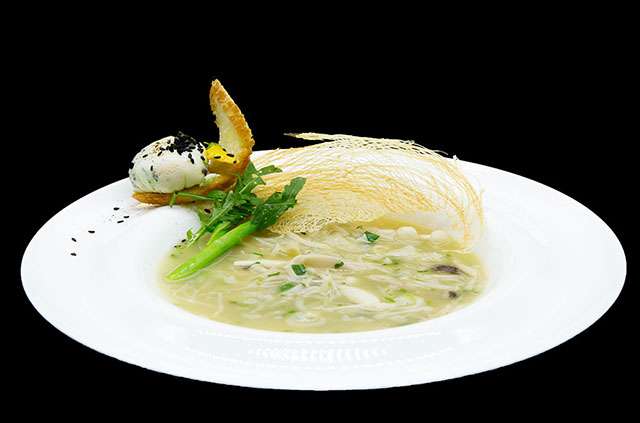
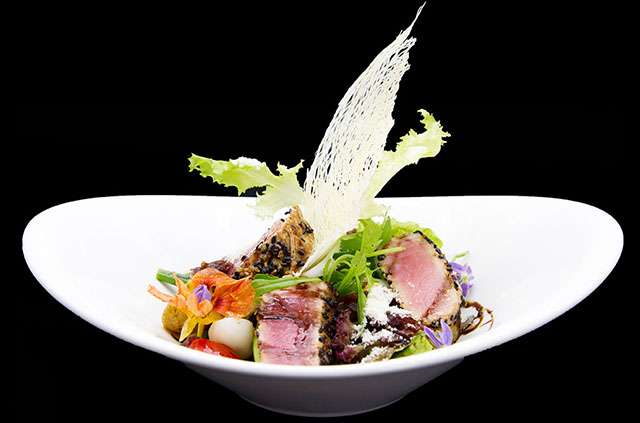
Duong Restaurant Saigon continues the creative side of that history without presenting itself as a colonial relic. Its chef-led dishes include rice noodle beef rolls, tuna steak, seafood, mushroom soup and Vietnamese-inspired salads. Vietnamese flavours remain central, while French kitchen discipline supplies balance and a polished dining format.
French wine can be a useful bridge rather than a default choice. Thoughtful French wine pairings can highlight the sweetness of fish, the acidity of herbs or the depth of a savoury sauce without overwhelming the plate. The pleasure comes from conversation between two culinary traditions, not from proving that one has replaced the other.
The restaurant’s cosy atmosphere and attentive service fit District 1’s contemporary hospitality scene. Diners come for a refined meal, then move among nearby bars, hotels and late-night food options. That continuity is cultural rather than literal: the building styles and social habits endure, while ingredients, chefs and guests have changed.
What the story means for Australian diners
Australian visitors may recognise the pleasure of a meal that becomes a neighbourhood ritual. Sydney’s The Rocks, Melbourne’s laneways and Brisbane’s South Bank all combine heritage or waterfront architecture with busy dining precincts. Weekend brunch, long lunches and drinks after work are familiar Australian habits, although “BYO” rules and licensed-venue charges differ between states.
The country’s Vietnamese communities make the comparison richer. Cabramatta in Sydney, Footscray in Melbourne and Asian produce stalls around Adelaide’s Central Market offer familiar ingredients and family-run kitchens. Diaspora dining often operates through supermarkets, bakeries, restaurants and market trading rather than a single formal dining district.
Food safety is regulated through a practical division of responsibility. Food Standards Australia New Zealand sets national standards, while state and territory councils register businesses, inspect premises and enforce hygiene and alcohol-service rules. Tipping is optional, and rounding up or leaving a few dollars is common when service has been good.
Home cooking adds another local habit. Weekend barbecues are a familiar ritual, and specialist food media now carries barbecue knowledge beyond the family; an online barbecue guide illustrates this wider digital layer. For Australian diners, a Saigonneese meal is both a holiday experience and something familiar from home, depending on where they live.
Practical cues for a modern Dong Du visit
Today Dong Du combines the practical needs of a working street with the pull of a central dining destination. Restaurants occupy narrow premises, while upper floors and nearby hotels create a mixed daytime and evening crowd. Air-conditioning matters in Saigon’s heat, and streets that look quiet in the morning can become lively after sunset.
Checking the restaurant events and booking ahead can make a visit easier, particularly on weekends or when several tables are competing for a limited number of chef-led experiences. The same street is also well placed for pairing a meal with nearby heritage sights.
Foods worth noticing:
- Rice noodle beef rolls, which combine Vietnamese noodle traditions with a composed, sauce-led presentation.
- Tuna steak and seafood, where restrained seasoning lets premium ingredients carry the plate.
- Mushroom soup and Vietnamese-inspired salads, useful examples of lighter, aromatic courses.
- French wines selected to echo herbs, citrus, sweetness and savoury depth.
Planning details worth checking:
- Opening days and service times, since chef-led menus can change by season.
- Reservation availability for dinner, especially on Friday and Saturday evenings.
- Dietary needs, communicated directly with the restaurant before booking.
- A flexible route through District 1, with the post office and major landmarks nearby.
| Aspect |
Colonial-era central Saigon |
Dong Du dining today |
| Social setting |
Grand hotels, clubs and elite households |
Chef-led restaurants, bars, hotels and street trade |
| Culinary language |
French service with local produce and Asian techniques |
Vietnamese flavours shaped by French technique and global sourcing |
| Atmosphere |
Formal, hierarchical and cosmopolitan |
Convivial, accessible and multilingual |
| Enduring legacy |
Landmarks, dining etiquette and cultural exchange |
A historic streetscape used for contemporary dining |
Make Dong Du part of your Saigon evening
History is most useful when it deepens a visit rather than turning the street into a themed set. On Dong Du, colonial architecture and modern kitchens can be read together: an imported dining form meets Vietnamese ingredients, local service rhythms and a new generation of diners.
Reserve a table at Duong Restaurant Saigon, arrive for the cooler evening light and follow the street towards the Central Post Office and neighbouring landmarks. Let the meal begin with the city’s layered past, then let the flavours carry it into the present.