The Visual Language of Duong Restaurant Saigon's Fusion Plates
When a plate arrives at the table, the eyes decide long before the fork does. Colour, height, the curve of a sauce smear and the shine of a single herb leaf all combine into a message the diner reads in a heartbeat. At Duong Restaurant Saigon, located on Dong Du Street in District 1, presentation is treated as a core ingredient, not an afterthought.
Australia has long appreciated this sensibility. From the plating precision seen in hatted restaurants across Melbourne to the vibrant street-meets-fine-dining culture of Sydney's Spice Alley, local diners are trained to look closely at a dish. They expect artistry to arrive alongside flavour, and they are quick to share what they see on social feeds and brunch tables from Brisbane to Perth.
First Impressions at the Table
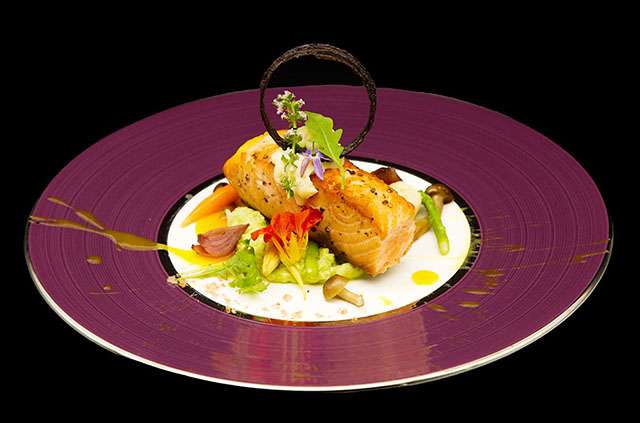
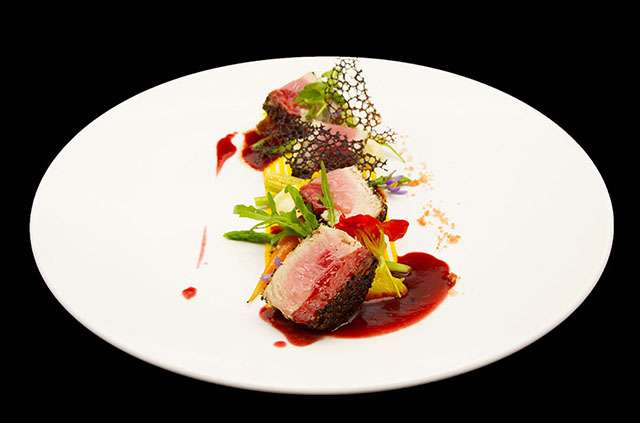
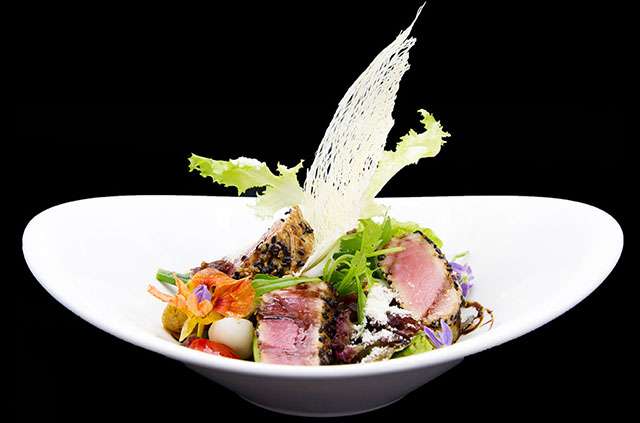
The first few seconds with a new plate shape how the rest of the meal is experienced. A neat stack of rice noodle rolls with a bright green herb salad perched on top reads as fresh and lively, while a dark, glossy tuna steak on a slate-like plate suggests depth and richness. At Duong Restaurant Saigon, chefs compose each plate with the same care a painter applies to a canvas, using negative space to give every element room to speak.
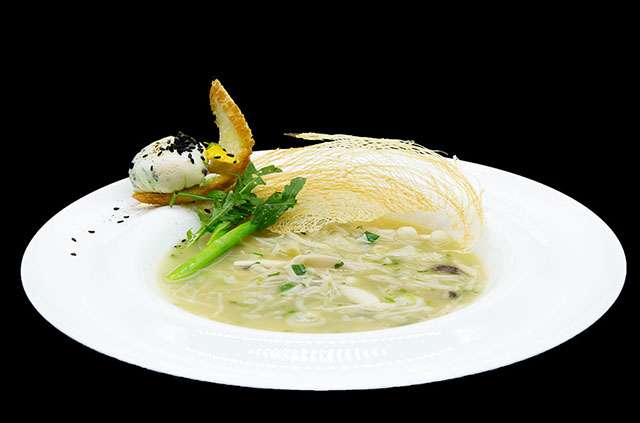
In Sydney, venues such as those in Surry Hills have built reputations on this exact principle. Australian diners often judge a restaurant within the first course, and word travels fast when a kitchen produces plates that are as photogenic as they are flavourful. A beautifully presented mushroom soup with a swirl of cream and toasted seeds can do more for a venue's reputation than any printed advertisement.
The Palette of Colour and Texture
Colour cues the palate before flavour does. A vivid orange from carrot, the deep red of a tomato reduction, or the pale ivory of a coconut broth tells the diner what to expect. Vietnamese-French fusion leans on this kind of visual shorthand: the golden crisp of a fried shallot signals comfort, while the bright green of coriander and mint promises freshness.
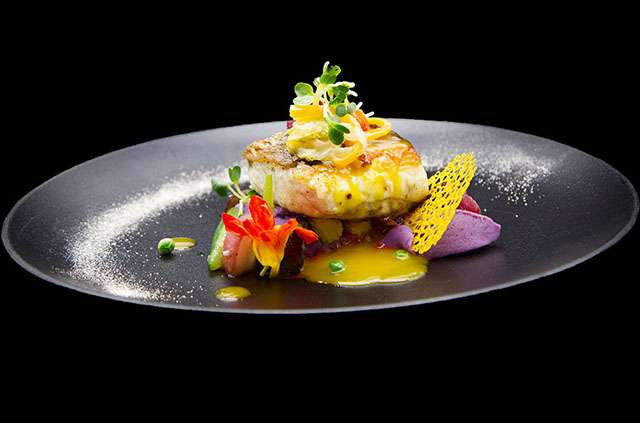
Texture is where presentation and palate truly meet. A single bite that combines crispy, creamy and fresh elements is what guests remember long after the meal ends. Readers who want to explore this idea further can learn about the texture of fusion crispy creamy and fresh at Duong Restaurant Saigon, where the kitchen explains how each element is selected and arranged. In Melbourne's laneway restaurants, chefs have spent years perfecting contrast in a single mouthful, and Australian diners particularly love a dish that surprises them mid-bite, with a crunch giving way to silk or a cool slice of herb cutting through something warm.
How Visual Elements Combine
Plating is rarely about a single trick. It is the careful layering of height, sauce work, contrast and breathing room that produces a finished plate. Chefs at Duong Restaurant Saigon treat each dish as a small composition, where one element reinforces the next.
| Element of Presentation |
Visual Cue |
Effect on the Diner |
| Height and stacking |
Tower of ingredients |
Suggests generosity and craft |
| Negative space |
Empty plate edges |
Communicates confidence and refinement |
| Sauce placement |
Dots, smears, drizzles |
Adds movement and signals chef skill |
| Colour contrast |
Bright herbs on dark protein |
Builds anticipation of layered flavour |
| Texture variation |
Crisp on creamy |
Promises a dynamic eating experience |
Across Australian dining rooms, from Perth's waterfront venues to Brisbane's riverside restaurants, kitchens now use similar checklists when sending plates out. The aim is not to overwhelm the eye but to give every ingredient a moment to shine, which is exactly the philosophy that drives the menu in Ho Chi Minh City.
Tableware and Cultural Storytelling
Plates, bowls and serving vessels are silent storytellers. A rustic clay dish evokes the Mekong Delta, while a polished white plate hints at Parisian bistro tradition. The fusion philosophy at Duong Restaurant Saigon is reflected in the choice of tableware as much as in the food itself, with each setting designed to bridge two culinary worlds.
The restaurant's location, a short stroll from the historic Saigon landmark, reinforces this sense of cultural blending. Just as French colonial architecture stands beside Vietnamese temples in District 1, the tableware at Duong Restaurant Saigon merges European refinement with Asian warmth. Australian travellers visiting Ho Chi Minh City often notice these parallels, having grown up in cities like Sydney and Melbourne where Victorian buildings sit beside modern glass towers.
Photography and the Modern Diner
Today's diners are also photographers. A plate that photographs well travels further on Instagram and TikTok than any paid campaign, and venues that invest in presentation benefit from a steady stream of user-generated content that turns each satisfied guest into an ambassador.
In Brisbane, hospitality teams have leaned into this trend by training staff to position dishes for the best light before serving. Across Australia, fine dining rooms now design menus that look as polished in a phone camera as they do in person. Duong Restaurant Saigon embraces the same standard, knowing that the visual story begins the moment a plate is set down on Dong Du Street.
Book a table at Duong Restaurant Saigon and discover how presentation shapes every course, from the first appetiser to the final spoonful of dessert. Reservations can be arranged through the official site, where photos, menus and local Ho Chi Minh City guides help plan a complete evening in District 1.