Duong Restaurant Saigon dishes for your camera roll
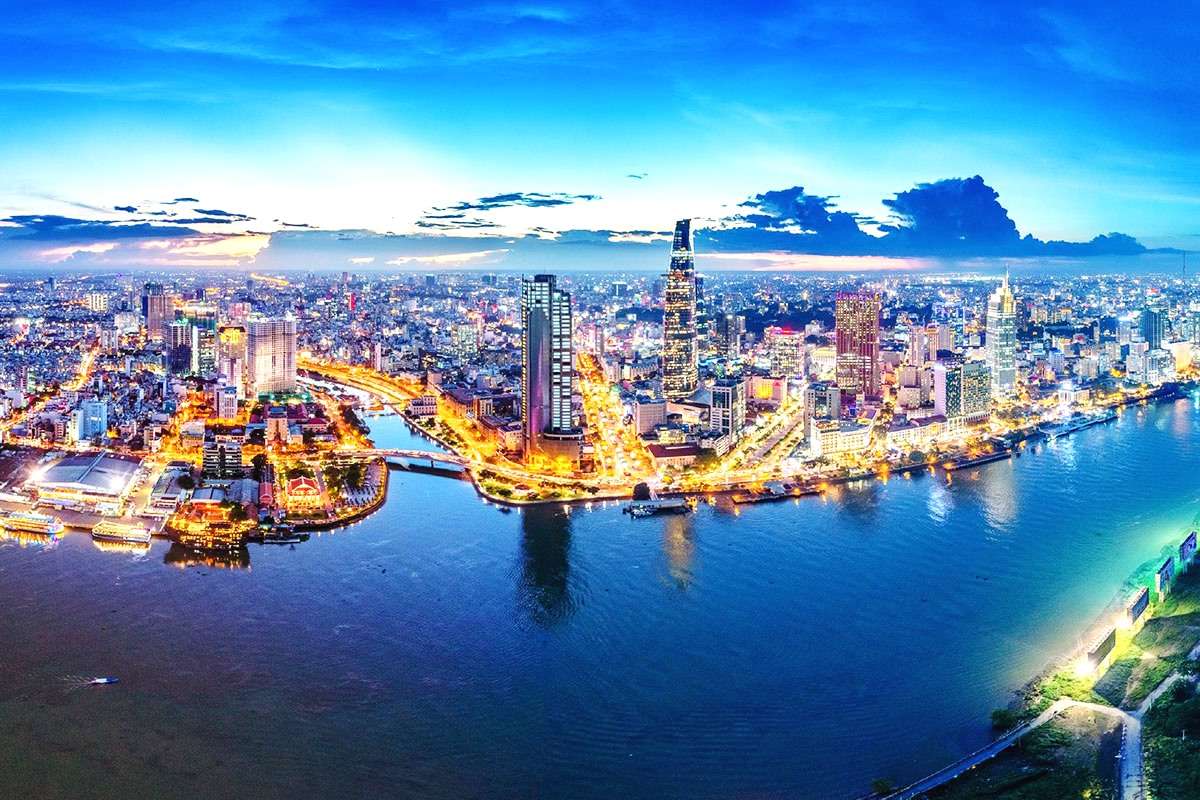
Duong Restaurant Saigon pairs Vietnamese-inspired cooking with French fine dining on Dong Du Street in District 1. Its cosy, chef-led setting offers more than an attractive backdrop: rice noodle beef rolls, seafood, tuna steak, mushroom soup and colourful salads provide contrasting textures, colours and shapes. Together, they create a visual tour of Saigon’s contemporary dining scene.
The most photogenic dishes at Duong Restaurant Saigon for social media are the ones that show depth without heavy editing. Translucent wrappers, crisp garnishes, glossy sauces, steam and seared edges give a phone camera something to record. The strongest frame is usually simple: one hero dish, natural light, a little breathing room and enough contrast for the ingredients to remain legible.
For Australian diners, local references make the experience easier to enjoy. Sydney’s Cabramatta and Melbourne’s Victoria Street and Abbotsford show how Vietnamese cooking has become part of everyday city dining. Friday and Saturday reservations at refined restaurants are often booked ahead, while specialist grocers stock herbs, citrus and rice paper. Settle into the local dinner rhythm and let the kitchen set the pace.
Set the light before the food arrives
Good food photography begins with the room, not the filter. Ask for a seat near a window if possible, then switch off the flash; side light reveals herbs, translucency and sauce without flattening the dish. At night, warm light flatters seared fish and glossy broths, provided you avoid direct glare.
Use a vertical 4:5 frame for Reels, Stories and Pinterest-style pins, but leave space above the plate for restaurant details. Tap the brightest ingredient to lock exposure, clean the lens and take the hero image before the wider dining shot. A frame with hands, cutlery or a shared meal often feels more natural than an isolated plate.
Frame the beef rice noodle rolls
Start with the rice noodle beef rolls. Their pale wrappers create a neutral canvas, while beef, herbs and sauce add darker notes and fine detail. Photograph the roll from a 45-degree angle so the filling stays visible, then try an overhead crop for the repeating folds. Keep the background quiet enough for the wrapper’s texture to read on a small screen.
If you are building a wider meal itinerary, the guide to city dish favourites provides context for other Ho Chi Minh City plates and the balance of herbs, noodles and rich flavours that makes the city’s food so photographable.
For the caption, name the experience rather than declaring it perfect: “Our first Saigon bite at Duong” is warm and useful. Save a clean image for the main feed, then add a carousel frame showing the roll before it is opened.
Catch seafood in the evening glow
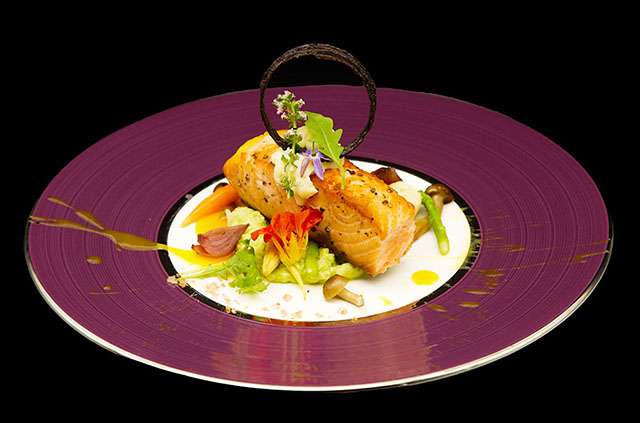
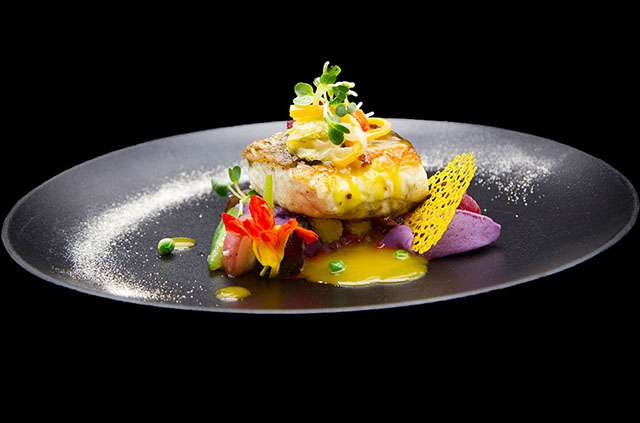
Seafood brings stronger contrast to the feed. Ask which seafood dish is at its best that evening, then use a three-quarter angle to show glaze, char and garnish while keeping the full shape in view. Reflections from the evening setting can make seafood look glossy, so move the phone slightly to avoid a hotspot.
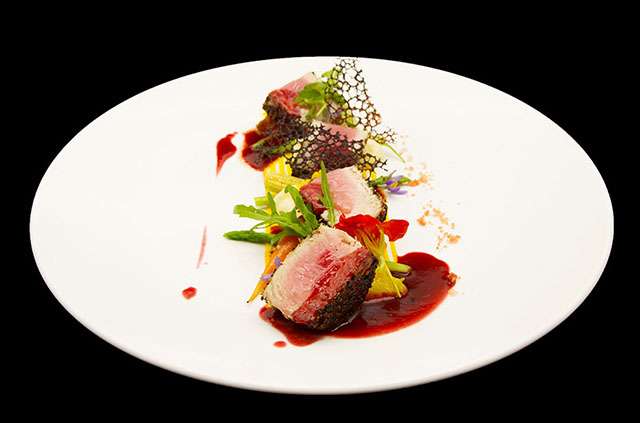
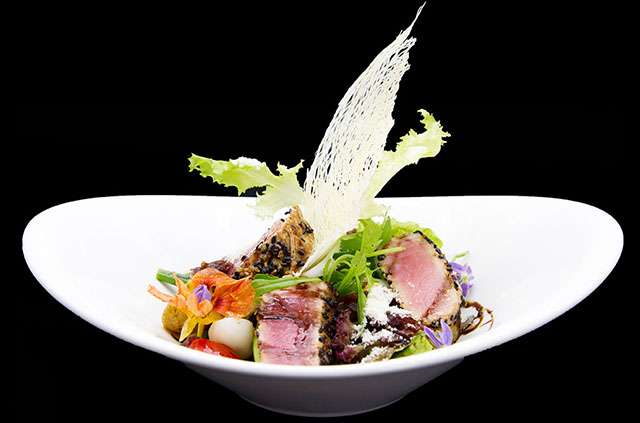
Readers planning a seafood-led dinner can compare seafood picks for Saigon before ordering. Tuna steak is another strong frame: a side angle can reveal the seared exterior and tender centre, while citrus or sauce gives the image a clean colour break.
Use broth and mushrooms for depth
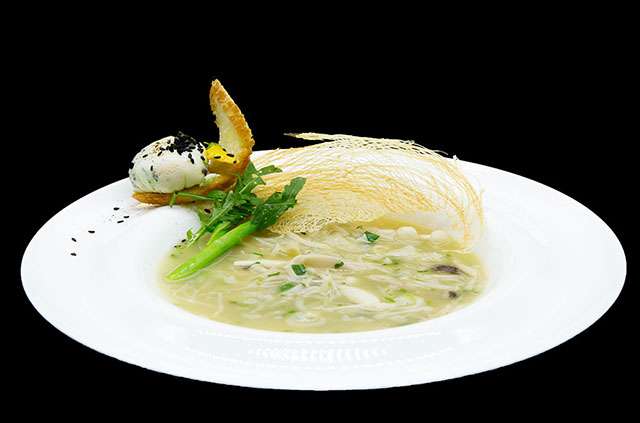
Broth and mushrooms work best when the camera looks into the bowl rather than across it. For mushroom soup, frame the surface at 45 degrees, record a little steam and keep the garnish visible. The bowl’s curve and broth sheen create depth even when the palette is restrained.
| Dish |
What stands out |
Best camera position |
Caption cue |
| Rice noodle beef rolls |
Translucent wrapper, herbs, filling |
45-degree close-up |
A delicate Saigon welcome |
| Seafood |
Glaze, texture, citrus |
Three-quarter view |
Seafood after sunset |
| Tuna steak |
Seared edge, sauce |
Low side angle |
Chef-led precision |
| Mushroom soup |
Steam, sheen, garnish |
Angled overhead |
Warm District 1 broth |
| Salad |
Layered leaves, fresh colour |
Overhead |
Fresh and balanced |
Broth photography rewards a slower pace: capture the bowl first, then lift the spoon or add a garnish while preserving the surface pattern. The restaurant’s guide to broth depth explains why the background and garnish matter, giving context for the detail that deserves a close crop.
Build a camera-ready tasting sequence
Choose dishes for visual variety as well as flavour. These checklists keep the order practical for a group sharing plates and photographing across the meal.
- Open with the rice noodle beef rolls, then photograph one whole roll beside a cut cross-section.
- Choose the freshest seafood and turn it so the glaze catches light without washing out detail.
- Add mushroom soup while steaming, placing the bowl away from bright white crockery.
- Finish with tuna steak or salad for a darker sear or crisp, colourful final frame.
For the phone and the post, work in this order.
- Shoot one vertical hero image, then a wider scene showing the cosy dining room.
- Take a close crop of garnish, wrapper or charred surface for the second carousel slide.
- Keep highlights under control and use natural texture rather than a heavy preset.
- Caption the location, dish and company, then tag the restaurant for a useful local post.
For wider context on how regional ingredients travel through Australian food media, browse Australian food stories. Choose one image with ingredient detail and one with a human element; together they are more persuasive than several near-identical plate photos.
Follow the visual cues of Australian food culture
Australian food feeds often favour honest, bright images, but natural does not mean careless. Leave slight imperfection, retain the restaurant’s warm colour cast and show how the meal sits within the room. That approach fits Melbourne’s café culture and Sydney’s dinner photography, where atmosphere matters as much as the plate.
Spice deserves the same care: this explanation of toasting Goan spices shows how aroma can deepen a flavour profile. Although Goan seasoning is a separate tradition, the technique reminds us that aroma changes before taste does. Tag a venue you visited, name the dish accurately and invite conversation about flavour, service and place.
Reserve your table and capture the evening
Reserve through Duong Restaurant Saigon’s booking information, request a central seat if you want both food and room in frame, and arrive with time to settle in. Tell the server you would like to photograph the first presentation, then work quickly while keeping fellow diners comfortable.
Choose your date, gather your dining companions and make the reservation now. Order the dishes that stood out, capture one striking plate, one warm room view and one shared-meal moment, then share the story from your next post.