What Gives Duong Restaurant Saigon Its Deeply Flavoured Broth
A memorable broth does more than provide moisture to a dish. It carries aroma, texture and seasoning from the first sip, creating a base that can make noodles, seafood, meat or vegetables taste remarkably complete. At Duong Restaurant Saigon, this depth reflects the meeting point between Vietnamese culinary traditions and French-inspired refinement.
Located on Dong Du Street in District 1, the restaurant presents a chef-led menu in a comfortable fine-dining setting. Its Vietnamese and French fusion style gives familiar ingredients more dimension, whether they appear in a seafood creation, a mushroom soup or a dish built around tender beef.
For Australian diners used to the clear intensity of pho, the richness of French onion soup or the layered flavours found in Sydney and Melbourne’s modern Asian restaurants, Duong’s approach feels both recognisable and distinctive. The key is the way several small decisions build into a balanced, full-bodied result.
A Foundation Of Slowly Extracted Flavour
Deep broth begins with time. Bones, seafood shells, vegetables and aromatic ingredients release flavour gradually, allowing savoury notes to develop without becoming harsh. Slow extraction also gives the liquid a rounder mouthfeel, rather than the thin profile associated with quickly prepared stock.
Vietnamese cooking often values clarity and fragrance, while French technique places strong emphasis on reduction and concentration. Combining these ideas can produce a broth that remains elegant but has enough intensity to support noodles, seafood or meat.
A carefully prepared base also gives the chef greater control over seasoning. Salt, fish sauce, herbs and acidity can be added in stages, so the final broth tastes layered rather than simply salty.
Aromatics That Create Multiple Layers
Aromatics are essential to the character of Vietnamese broth. Onion, ginger, garlic, herbs and spices contribute different kinds of warmth, sweetness and freshness. When toasted, charred or gently simmered, they release more complexity than they would when added raw.
This is where the broth’s aroma becomes as important as its taste. A diner may notice fragrance before taking the first spoonful, followed by a gentle sweetness, savoury depth and a clean herbal finish. The balance keeps the liquid lively instead of heavy.
The exact combination varies with the dish, but the principle remains consistent: every aromatic should have a role. Some provide background warmth, while others lift the final mouthful and prevent the flavour from becoming flat.
The French Influence On Texture And Concentration
French culinary methods can add polish to a Vietnamese-style broth through reduction, clarification and careful control of texture. Reducing a stock intensifies its natural flavour, while straining it properly creates a smoother, more refined finish.
This influence is especially useful in a fine-dining restaurant. A seafood broth may need to be delicate enough for prawns or fish, while a beef-based preparation can support stronger seasoning. French technique helps the kitchen adjust body and concentration without overwhelming the central ingredient.
The result is a broth with structure. It can taste generous and satisfying while still allowing the freshness of herbs, the sweetness of seafood or the savoury character of beef to remain clear.
The Balance Between Umami, Sweetness And Acidity
Deep flavour is not created by adding more seasoning indiscriminately. It comes from proportion. Umami may come from meat, seafood, mushrooms or fermented sauces; sweetness can come from slow-cooked vegetables; acidity provides lift and keeps the finish refreshing.
This balance is particularly important in Vietnamese-inspired cuisine. A broth that is too rich can cover the subtler flavours of noodles and garnishes, while a broth that is too light may fail to support the main ingredient.
| Broth element |
Contribution to flavour |
Effect on the dish |
| Slow-cooked bones or seafood |
Body and savoury depth |
Creates a substantial base |
| Toasted aromatics |
Fragrance, warmth and sweetness |
Adds complexity from the first sip |
| Mushrooms or fermented seasoning |
Umami and length |
Makes flavour linger |
| Fresh herbs and acidity |
Brightness and contrast |
Keeps the finish clean |
| Controlled reduction |
Concentration and texture |
Gives the broth a polished character |
Why The Ingredients Still Taste Distinct
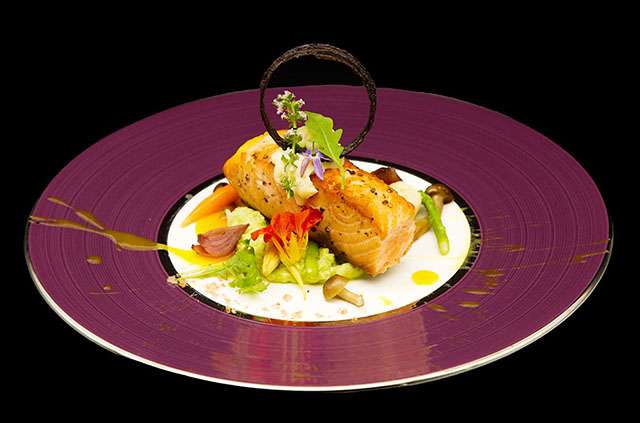
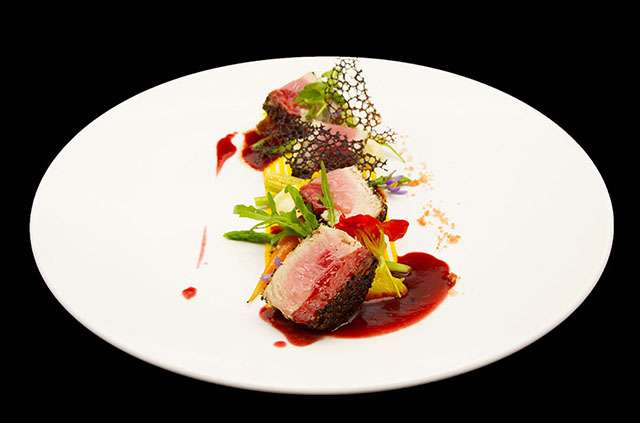
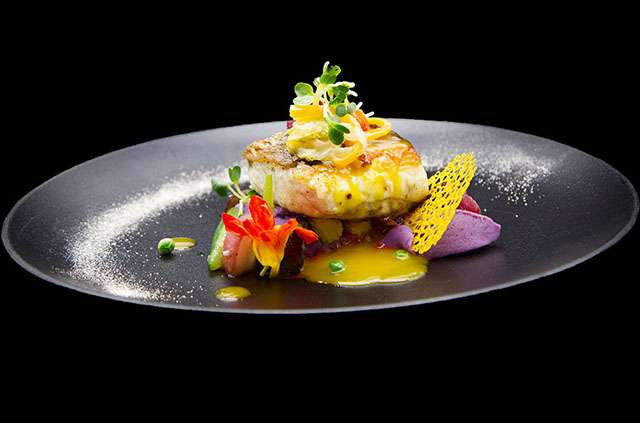
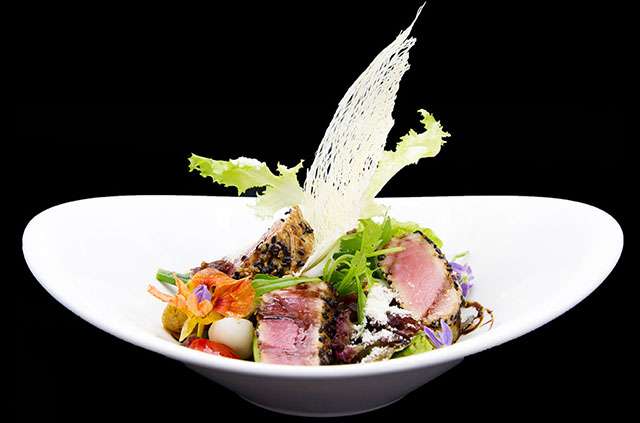
A well-made broth should unify a dish without making every ingredient taste the same. At Duong, that distinction matters because the menu includes seafood, tuna, salads, mushroom soup and Vietnamese-inspired specialities alongside richer meat-based options.
For example, seafood needs a broth with freshness and precision. Excessive spice or salt can hide its natural sweetness. Mushrooms benefit from an earthy, savoury base, while beef can accommodate deeper roasted notes and a more substantial texture.
This adaptability suggests a chef-led approach rather than a single stock being used for every preparation. The broth is most effective when it is designed around the ingredient it accompanies.
Choosing A Dish To Appreciate The Broth
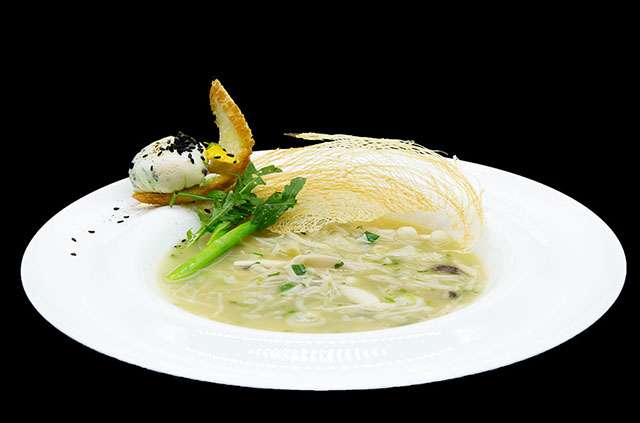
Guests who want to focus on the stock itself may prefer a soup-based preparation or a dish where the liquid is served generously. Mushroom soup can reveal earthy umami and creamy texture, while seafood dishes may highlight clarity, fragrance and a gentle mineral sweetness.
Rice noodle beef rolls, salads and grilled or seared dishes offer a different experience, with sauces and dressings providing concentrated flavour rather than a bowl of broth. They can still demonstrate the restaurant’s balance between Vietnamese ingredients and French presentation.
For a group booking, it is useful to consider the variety of tastes at the table. Duong’s group dinner guide can help diners plan a shared meal that includes lighter, richer and seafood-focused choices.
Dining Details For Australian Visitors
Australian diners often make restaurant bookings early, particularly in Sydney and Melbourne, where popular dining rooms can fill quickly before Friday and Saturday services. The same habit is sensible in District 1, especially for visitors arranging a special meal during a busy Ho Chi Minh City itinerary.
Food allergies should be communicated clearly when reserving or ordering. Australian guests may be accustomed to the information and allergen expectations shaped by Food Standards Australia New Zealand, but restaurant practices and ingredient use can differ overseas. Questions about fish sauce, shellfish, dairy, gluten or nuts are best raised before the meal begins.
Drinks can also change how a deeply flavoured broth tastes. A crisp beer, aromatic white wine or balanced non-alcoholic drink may refresh the palate between spoonfuls, while an overly sweet beverage can compete with delicate herbs and seafood. Duong’s drink pairing guide offers useful direction for matching the fusion menu.
Ways To Savour The Depth Of The Broth
A few simple choices can make the layered stock easier to appreciate:
- Taste the broth before adding chilli, herbs or extra seasoning.
- Notice the aroma first, then identify savoury, sweet and acidic notes.
- Pair lighter broths with seafood and stronger reductions with beef or mushrooms.
- Ask about ingredients if you have allergies or dietary restrictions.
- Allow a few quiet moments between bites to notice the lingering finish.
The restaurant’s cosy atmosphere also suits a slower meal, giving diners time to experience how the broth interacts with noodles, meat, seafood and garnishes. This pace is well suited to fine dining and differs from the quick weekday lunches common in Australian city centres.
A booking at Duong Restaurant Saigon offers more than a taste of Vietnamese comfort food. It presents broth as a carefully developed component, shaped by slow extraction, fragrant aromatics, controlled reduction and thoughtful seasoning. Reserve a table on Dong Du Street to experience these layers alongside the restaurant’s broader Vietnamese and French fusion menu.