Butter and cream in modern Vietnamese fine dining
Butter and cream can give Vietnamese fine dining depth without turning it into a heavy European formula. Used with restraint, they enrich broths, soften bitterness and carry aromatic spices. At Duong Restaurant Saigon, the chef-led Vietnamese and French fusion menu provides a fitting setting for examining that balance.
Their role centres on controlling texture, gloss and aroma while preserving the defining flavours of fish sauce, lime, lemongrass, herbs and chilli. Cream can round sharp acidity, while browned butter can lend seafood a toasted, hazelnut note. The aim is depth with clarity rather than blanket richness.
For Australian diners, there is familiarity in butter on sourdough, cream pasta and sauces served beside steak. Yet Vietnamese kitchens often build richness with coconut milk, pork fat, sesame oil and aromatic pastes. Combining those traditions calls for restraint, acidity and careful sequencing.
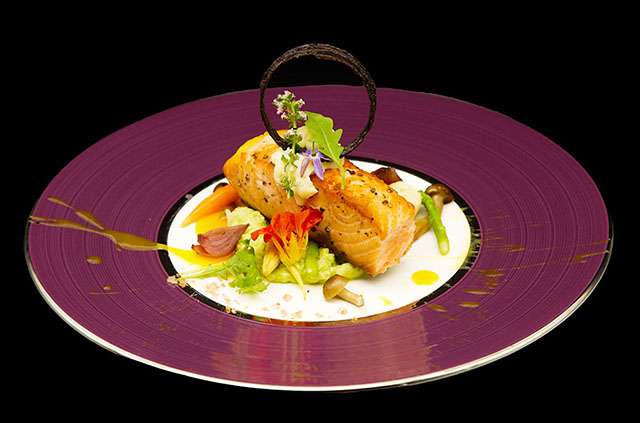
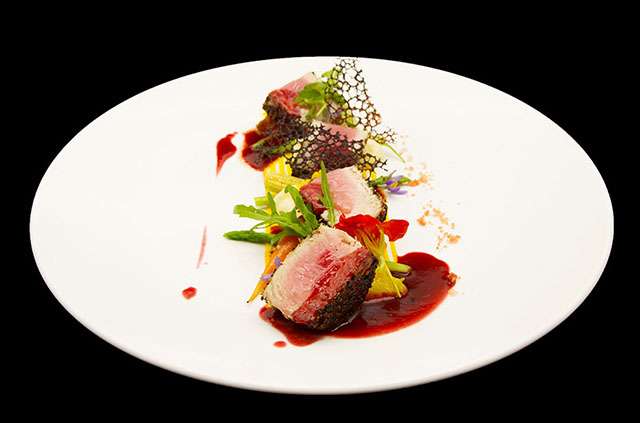
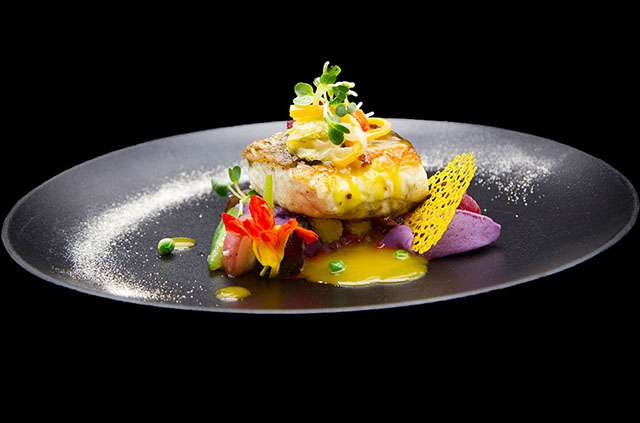
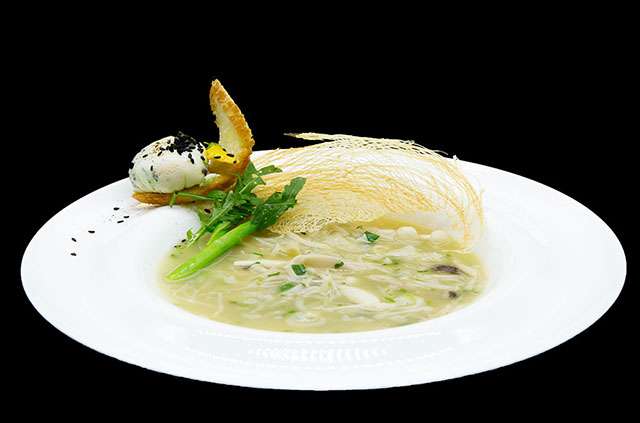
Duong’s location on Dong Du Street in District 1, Ho Chi Minh City, adds useful context. Its dishes include rice noodle beef rolls, seafood, tuna steak, mushroom soup and salads, all suited to exploring how dairy can sharpen rather than mask Vietnamese inspiration.
Fat as a flavour amplifier
Fat has always been a flavour carrier in Vietnam. Clarified pork fat enriches broken broth, sesame oil tempers chilli, and coconut milk softens lemongrass and seafood. Butter is less central in many traditional recipes, but its milk solids can give a sauce a rounded finish that fish sauce alone cannot provide.
Small amounts of high-quality butter also improve texture. It can emulsify a dressing, glaze a seared mushroom or add aroma to a shellfish sauce. Australian cooks have easy access to cultured and unsalted butter; using it in small, warm applications prevents the final dish from feeling heavy or European.
French technique, Vietnamese sensitivity
French technique is most convincing here when it serves the ingredient. A whisked emulsion, a light beurre blanc or a cream-finished sauce can frame lemongrass, ginger and star anise without erasing them. The chef should taste after adding dairy, then restore balance with lime, fish sauce or fresh herbs.
This is where Indian culinary perspectives offer a useful comparative lens. Ghee, malai and cream carry distinct identities in different cuisines, showing that dairy works best when its profile is understood. At Duong, the same discipline applies: preserve the warm, bright profile of Vietnamese seasoning while adding body.
Cream, broth and contrasting dairy
Cream is especially useful in broths and soups because it reduces visual harshness and gives a silken flow. A cream-lightened mushroom soup can feel balanced with shiitake, pepper and herbs, while a seafood sauce benefits from enough fat to carry sweet, savoury aromatics. Garnish and seasoning still decide the character.
Cream must remain distinguishable from coconut cream. Dairy offers a rounded, cultured note and a lighter body; coconut is sweeter, more aromatic and central to many Vietnamese dishes. Australian supermarkets provide pouring and double cream, but chefs should choose the fat percentage and add only what the sauce needs.
Texture, wine and the plate
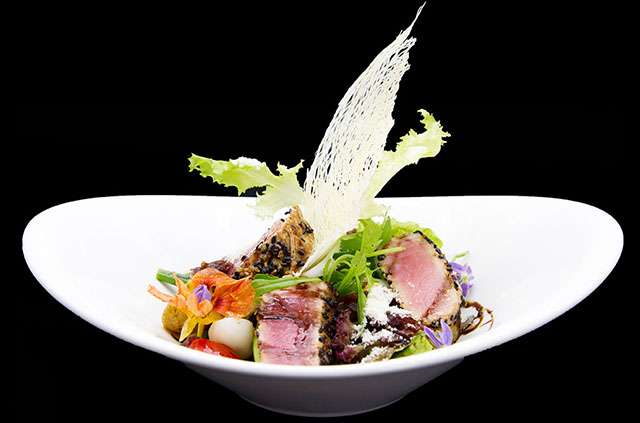
Texture can be the decisive ingredient. A cohesive emulsion makes salad dressing cling to leaves, while butter basting gives tuna or other seafood a lacquered surface without concealing its centre. Crisp elements, fresh herbs and a final squeeze of citrus restore lift after a creamy sauce.
Readers interested in the relationship between grilled food, texture and wine can also consult Grill and Grape for a broader restaurant perspective. The useful principle travels well: rich dairy benefits from acid, and delicate seafood usually needs less fat than a robust grilled cut.
Red wine with Vietnamese heat
Vietnamese heat and aromatics make wine pairing less predictable, particularly when a sauce contains butter or cream. Duong’s French red pairing guide explains how tannin, fruit and spice can interact with dishes built around chilli, star anise and herbs. Red is not automatic; freshness matters.
For Australian wine drinkers, a high-acid riesling from Clare Valley or Tasmania can cut cream, while a restrained chardonnay from Margaret River can suit mushroom and seafood preparations. Serve the wine with the same restraint used in the kitchen, and avoid letting a heavy sauce dictate an overpowering bottle.
Saigon lunches and Australian dining habits
Fine dining also gains meaning beside the city’s street-food culture. Duong’s Saigon street eats guide helps visitors appreciate the range of Vietnamese flavours beyond the restaurant, from quick bowls and baguettes to grilled snacks. That contrast shows how dairy can add polish while the underlying flavour system remains recognisably local.
Australian dining customs provide another point of comparison. Weekend bookings are routine in Sydney and Melbourne, Sunday brunch is busy, card and contactless payment are standard, and tipping is discretionary rather than a required service charge. Cabramatta in Sydney and Richmond and Springvale in Melbourne also offer Vietnamese herbs, limes, chillies and specialty ingredients, connecting restaurant menus with familiar diaspora flavours.
Comparing the VND set-menu price with a current Australian dollar rate, and checking what drinks and extras are included, helps visitors set realistic expectations. The same applies to dining on Dong Du Street: menus, promotions and exchange rates can change, so current information matters when choosing a meal.
Taste the balance at Duong
A useful way to choose is to match the dairy’s function to the dish rather than apply it broadly. The contrast below shows where butter and cream can contribute aroma, body or emulsion, and which Vietnamese flavours need protection.
| Fat or emulsion |
Main contribution |
Strong pairing with Vietnamese flavours |
Main caution |
| Cultured butter |
Tangy creaminess and lift |
Seared tuna, mushrooms and shellfish |
Excess fat can mute chilli and herbs |
| Browned butter |
Toasted, nutty aroma |
Green herbs, noodles and seafood |
Burnt notes become harsh quickly |
| Pouring cream |
Silky body without heavy starch |
Mushroom soup and seafood sauces |
Added too early, it can mask delicate aromatics |
| Coconut cream |
Tropical aroma and rounded fat |
Lemongrass, seafood and chilli |
It can overpower a dairy-led balance |
| Ghee |
Nutty aroma and high heat stability |
Spice broths and grilled greens |
Similar richness can make the plate repetitive |
To taste this approach, review the Saigon set lunch before booking. The listed 150,000 VND menu offers an accessible introduction to Duong’s chef-led style on Dong Du Street. Book the set lunch and experience how Vietnamese herbs, French technique and dairy can share the plate without losing their character.