Cilantro’s Place In Duong Restaurant Saigon’s Flavor Palette
Cilantro is one of the most recognizable herbs in Vietnamese cooking, yet its influence reaches far beyond decoration. With bright leaves, tender stems, and a fresh, lightly peppery aroma, it can sharpen rich sauces, refresh grilled seafood, and bring balance to dishes built around rice noodles or beef.
At Duong Restaurant Saigon on Dong Du Street, cilantro fits naturally into a culinary style that connects Vietnamese ingredients with French-inspired presentation and technique. Its role is often about proportion: a small amount can lift the entire plate, while too much may hide the delicate flavors of seafood, herbs, stock, or a carefully prepared protein.
This balance reflects the restaurant’s chef-led approach. Cilantro can appear as a fragrant accent, part of an herb mixture, or a final touch that links several components together. Understanding its place in the menu makes each dish feel more layered and intentional.
A Fresh Signature Of Vietnamese Cuisine
Cilantro, also known as coriander leaf, is deeply associated with Vietnamese food because it contributes both aroma and contrast. Its flavor is green, citrus-like, and slightly earthy, making it especially useful alongside savory broths, grilled meats, seafood, and fresh vegetables.
In Vietnamese-inspired cuisine, herbs are rarely an afterthought. They help diners create balance with every bite. Cilantro can soften the heaviness of a sauce, brighten a noodle dish, or add a clean finish after a rich mouthful. This makes it valuable in a fine-dining setting, where the relationship between ingredients matters as much as the ingredients themselves.
How The Herb Supports Fusion Cooking
French culinary traditions often emphasize structured sauces, reductions, stocks, and precise plating. Vietnamese cooking brings a different kind of freshness through herbs, fish sauce, aromatic vegetables, and raw or lightly cooked garnishes. Cilantro helps bridge these approaches because it works well in both concentrated and delicate preparations.
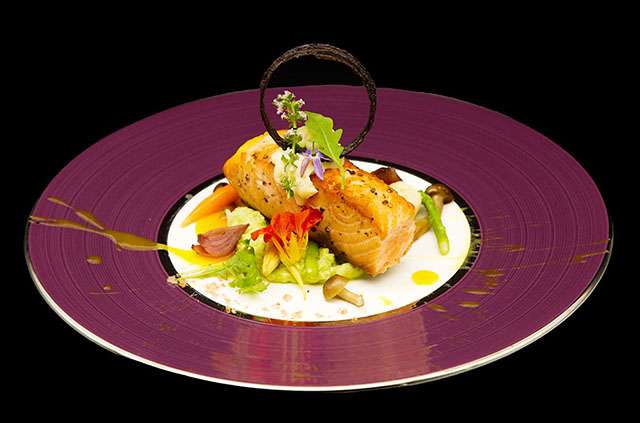
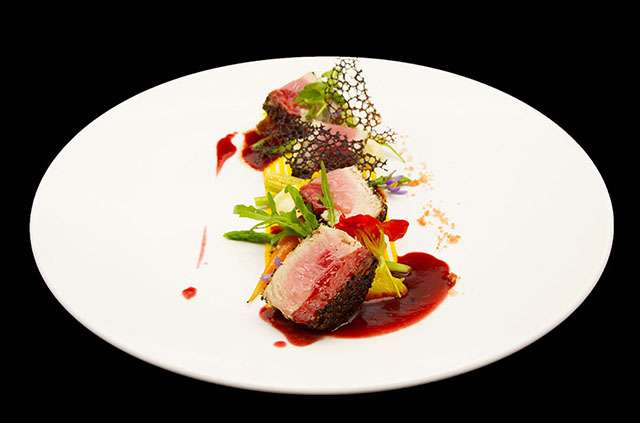
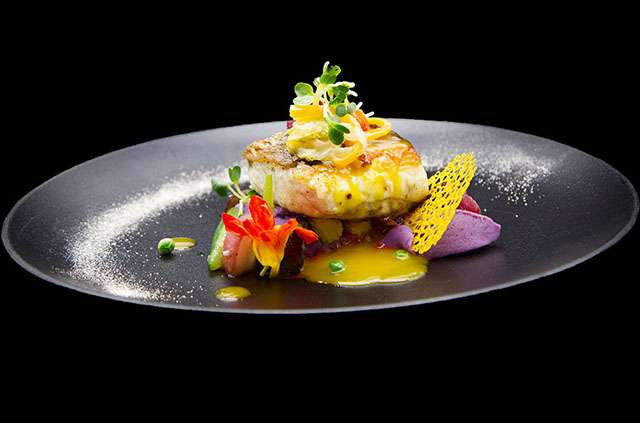
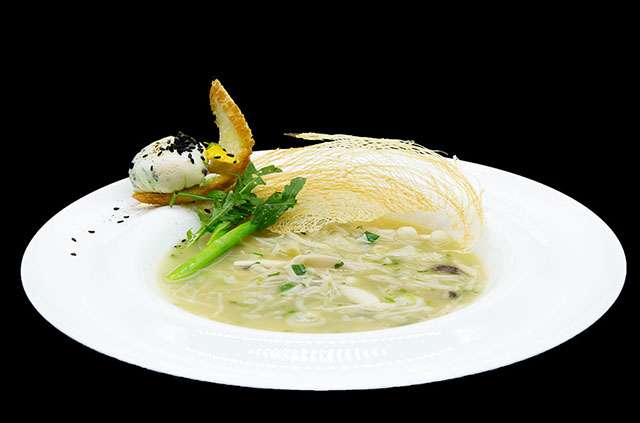
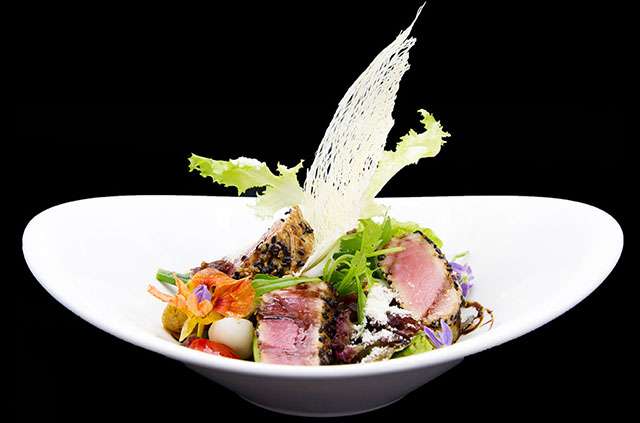
For example, a cilantro accent may bring life to a silky mushroom soup without overwhelming its earthy character. It can also provide a fragrant counterpoint to tuna steak or seafood, particularly when paired with citrus, mild chili, or a light dressing. In this context, the herb is a connector between rich technique and lively Vietnamese flavor.
Cilantro Across The Dining Experience
The herb’s contribution can change according to temperature, texture, and preparation. Fresh leaves offer a direct aromatic impact, while chopped cilantro may distribute its flavor more evenly through a salad or noodle filling. Tender stems can contribute a stronger, more concentrated herbal note when finely sliced.
Its versatility also makes it suitable for several dishes associated with Duong Restaurant Saigon. Rice noodle beef rolls benefit from its freshness, while salads gain fragrance and visual contrast. With seafood, cilantro can reinforce a clean, coastal profile; with steak or richer preparations, it can provide relief from weightier flavors.
| Dish Style |
Cilantro’s Likely Contribution |
Useful Flavor Partners |
| Rice noodle beef rolls |
Freshness and aromatic lift |
Lettuce, herbs, dipping sauce |
| Seafood |
Clean contrast and a green finish |
Lime, chili, light dressing |
| Tuna steak |
Fragrant balance for a rich protein |
Citrus, pepper, delicate sauce |
| Mushroom soup |
Brightness against earthy depth |
Spring onion, herbs, mild seasoning |
| Vietnamese-inspired salad |
Texture, color, and herbal energy |
Crisp vegetables, vinegar, toasted elements |
From Market Freshness To The Plate
An herb’s quality is easy to notice. Fresh cilantro should have lively green leaves, a clean fragrance, and enough firmness to hold its shape. When handled carefully, it contributes a vivid aroma before the first bite, which is especially important in a restaurant where scent is part of the dining experience.
The herb also reflects the importance of ingredient selection and timing. A useful look at ingredient sourcing story explains why freshness and responsible purchasing matter to the movement from market to table. For cilantro, that journey influences its color, texture, and ability to complement a finished dish.
Balancing Aroma, Texture, And Presentation
Cilantro has a powerful aromatic profile, so restraint is essential. A few leaves can create an immediate sense of freshness, while a generous handful may dominate subtle ingredients such as tuna, mushrooms, or lightly seasoned seafood. Skilled preparation considers the herb’s intensity as carefully as salt, acidity, or heat.
Presentation also shapes perception. Bright cilantro against a pale soup, golden protein, or colorful salad gives the plate a natural visual highlight. It can make a dish appear more vibrant without relying on heavy garnishes. When leaves, stems, and chopped herbs are used with intention, their textures add another small but noticeable dimension.
Recommendations For A More Thoughtful Tasting
The best way to appreciate cilantro is to notice how it changes from one course to another. Rather than treating it as a fixed flavor, diners can observe its relationship with the main ingredient, sauce, temperature, and texture.
- Taste a bite without extra seasoning first, then notice how cilantro changes the finish.
- Pair the herb with seafood or tuna to experience its fresh, aromatic contrast.
- Compare cilantro in a salad with its softer presence in soup or a warm entrée.
- Look for the balance between leaves, stems, dressing, and the dish’s central protein.
- Enjoy cilantro alongside other Vietnamese herbs to distinguish its citrusy, peppery character.
A Natural Link Between Tradition And Refinement
Cilantro represents the kind of ingredient that makes Vietnamese cuisine feel immediate and expressive. It is familiar, affordable, and deeply rooted in everyday cooking, yet it can also support the careful composition expected from a fine-dining menu.
At Duong Restaurant Saigon, this quality suits a dining room where Vietnamese inspiration meets French fusion sensibility. The herb does not need to dominate a dish to be memorable. Its purpose may be as simple as adding fragrance to a rice noodle beef roll, freshness to a salad, or a crisp final note to seafood.
For a broader perspective on the restaurant’s approach to dining in the neighborhood, explore this District 1 dining guide before planning an evening on Dong Du Street. Then reserve a table at Duong Restaurant Saigon and experience how cilantro, seasonal ingredients, and chef-led technique come together across a Vietnamese and French-inspired meal.