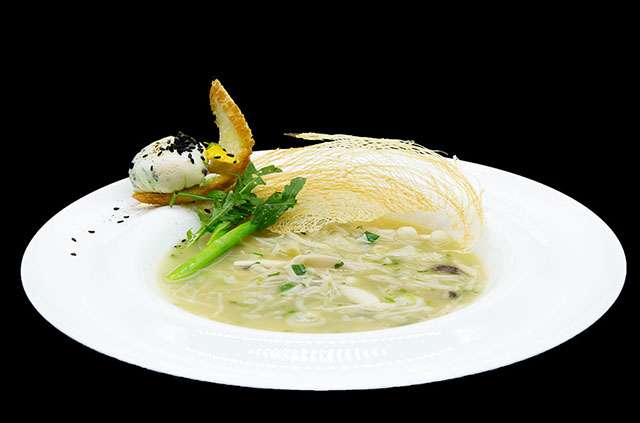
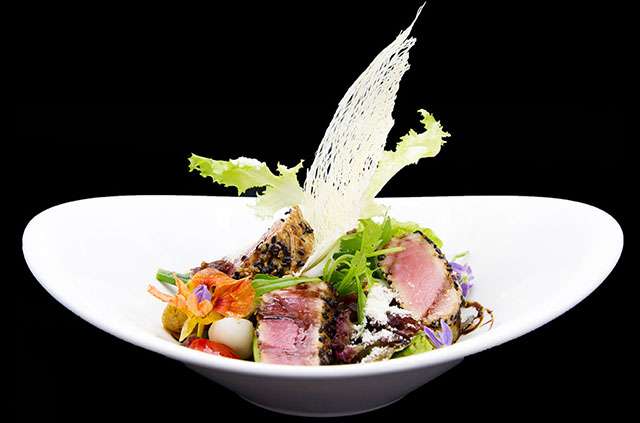
How lime and vinegar shape the dipping soups at Duong Restaurant Saigon
For Australian travellers who already know the brothy comfort of a good pho from a late-night spot in Cabramatta, the dipping soups at Duong Restaurant Saigon feel like a familiar language spoken in a Saigon accent. Tucked along Dong Du Street in District 1, the kitchen builds each bowl of dipping broth around a careful conversation between brightness and depth, and at the centre of that conversation sit two humble ingredients: fresh lime and aged vinegar. Visitors who want to explore the full menu and seasonal photographs can browse the restaurant's official site before booking a flight to Ho Chi Minh City.
These two acids do more than add tang. They cut through grilled meats, soften the richness of seafood, and reset the palate between bites. In a country where diners routinely chase balance in their Asian-fusion meals, the Duong approach to acid demonstrates how a Vietnamese chef uses restraint to make every spoonful feel alive.
The cultural roots of acid in Vietnamese dipping broths
Vietnamese dipping sauces, often called nước chấm or nước lèo depending on the region, have travelled with the diaspora for decades. Vietnamese-Australian cooks in Footscray have adapted them to suit local produce, but the principle remains unchanged: a clear, lightly sweet broth lifted by a generous squeeze of citrus and a measured pour of vinegar. When chefs like the team behind Duong Restaurant Saigon recreate these sauces, they draw on the same foundation that home cooks in Hanoi and Hue rely on, where the broth is simmered with daikon, pineapple, or pork bones before the finishing acids are added at the table.
This layering technique mirrors the way Australian chefs in Brisbane's James Street precinct treat their own broths, treating acidity as a seasoning rather than a dominant flavour. The difference lies in the intensity. Vietnamese broths use acid to sing, not to shout, leaving the savoury notes of fish sauce, star anise, and slow-cooked meat in the foreground.
Why lime leads the brightness in Duong's soups
Lime is the first note the palate meets. Unlike the bottled juice common in some Australian kitchens, the chefs at Duong squeeze fresh lime over each pot just before serving, which preserves the volatile oils that give the broth its floral edge. The fruit used in Ho Chi Minh City tends to be smaller and more aromatic than the Persian limes found at Australian greengrocers, so the aroma carries notes of kaffir leaf and wet stone that travellers often associate with Southeast Asian journeys.
The acid in lime also reacts with the proteins in thinly sliced beef or prawns stirred into the hot broth at the table, gently cooking them the way a ceviche reacts to citrus. That reaction, called denaturation, is what produces the silky texture of the dipping experience. For anyone who has eaten at the Saigon venue, this is the moment when lime stops being a garnish and becomes a structural pillar of the dish.
Several accompaniments sit naturally alongside lime in these broths:
- Thai basil and sawtooth coriander for herbal lift
- Thinly sliced red chilli for warm heat that balances the acid
- Pickled carrot and daikon strips for a sweet-sour counterpoint
- Fried shallots for savoury crunch
- A few drops of fish sauce to deepen the umami beneath the citrus
The quiet depth of vinegar in slow-simmered bases
If lime is the soprano, vinegar is the bass. Duong's kitchen typically uses a clear rice vinegar or a darker cane vinegar, each chosen for the protein it accompanies. Rice vinegar brings a gentle roundness to seafood-based dipping soups, complementing the sweetness of prawns or the brine of squid. Cane vinegar, with its deeper caramel undertones, suits richer broths built around duck or pork belly.
In Australian cooking, cane vinegar has become a quiet hero in modern Asian-fusion kitchens around Melbourne's Hardware Lane, where chefs drizzle it over roasted carrots or use it to lift grilled octopus. Duong's team applies the same logic, but in reverse: the vinegar is built into the broth from the start, allowing its sugars to caramelise against the bones and aromatics during a long simmer. The result is a broth that tastes layered rather than sharp.
For diners curious about how these broths interact with different wines, the Vietnamese wine pairing guide walks through recommended matches, from aromatic rieslings to lighter pinot noirs that handle the acidity without overpowering the herbs.
Reading the acid balance at the table
Recognising how lime and vinegar work together helps diners adjust their bowl to taste. A few practical cues signal when to add more or pull back:
- The broth tastes flat or heavy despite plenty of herbs and chilli → reach for fresh lime.
- The bowl feels too sharp on the finish, leaving a stinging sensation at the back of the tongue → the vinegar is dominating, so sip the broth as is and let the next pour do the balancing.
- The dipping vegetables taste dull → a small splash of the broth over the greens wakes them up without overwhelming them.
Australians who grew up eating at family-run Vietnamese restaurants in Adelaide's Chinatown will recognise this intuitive adjustment. It is not a flaw in the recipe; it is the point. The soup invites the diner into the cooking.
Bringing the Duong experience into a home kitchen
Recreating the dipping soups at home is simpler than it looks, especially when Australian supermarkets now stock fish sauce, rice vinegar, and limes year-round. The trick is to build the broth first, then finish it with acid at the moment of serving. A pot of simmering water with daikon, a few prawn shells, and a splash of fish sauce becomes a proper dipping broth once a tablespoon of rice vinegar and half a lime's juice are stirred in at the table.
| Acid source |
Flavour profile |
Best protein match |
Australian substitute |
| Fresh lime |
Bright, floral, slightly bitter |
Beef, prawns, squid |
Native finger lime pearls |
| Rice vinegar |
Clean, mild sweetness |
White fish, chicken |
Apple cider vinegar |
| Cane vinegar |
Caramel, earthy depth |
Duck, pork belly |
Brown rice vinegar |
| Tamarind pulp |
Fruity, tangy |
Oysters, mussels |
Dried sour plum |
| Sour bamboo |
Fermented, pungent |
Goat, offal |
Pickled green mango |
Pairing suggestions from the Duong kitchen include a Yarra Valley pinot noir with the duck-based dipping broth and a Clare Valley riesling alongside the prawn version. Both handle the acid while echoing the herbal garnish.
Ready to taste these broths in person? The team welcomes guests for dinner along Dong Du Street, and tables can be arranged through the reservation page for visitors planning an evening in District 1.