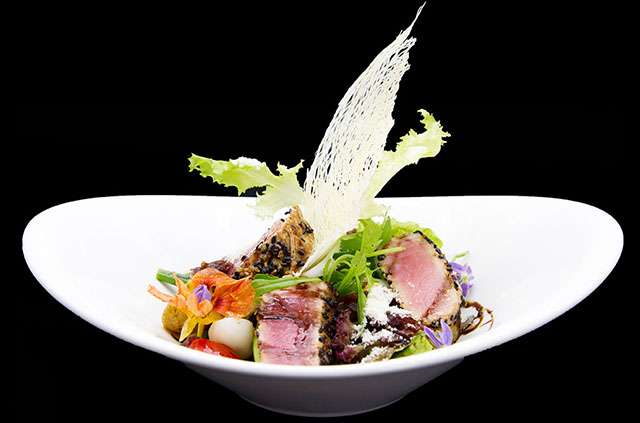
Lemongrass and ginger in Duong’s signature dishes
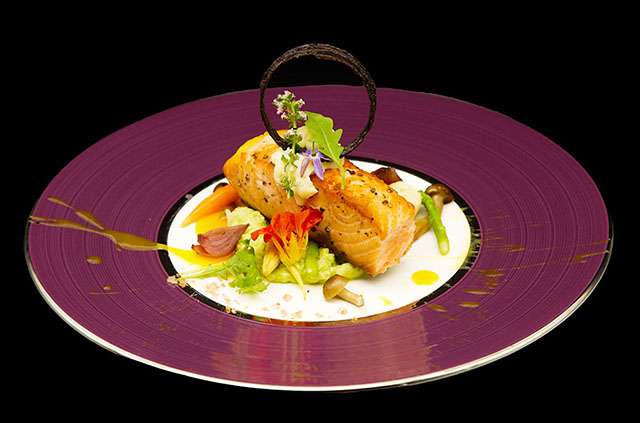
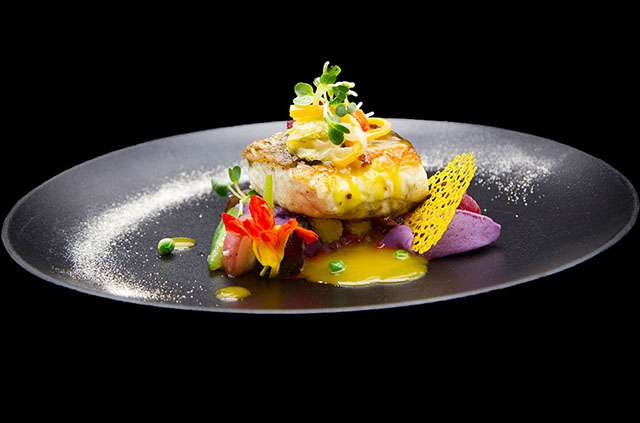
At Duong Restaurant Saigon, lemongrass and ginger do more than perfume a plate. They create balance: lemongrass lifts rich beef and seafood with a cool citrus note, while ginger adds warmth and a clean, peppery edge to soups, tuna and dressings. In this Vietnamese-French kitchen, fragrant herbs meet composed, chef-led cooking without losing the generous character of Vietnamese food.
Located on Dong Du Street in District 1, Ho Chi Minh City, Duong’s cosy atmosphere makes those aromas part of the experience before the first bite. Its menu ranges from rice noodle beef rolls and seafood to tuna steak, mushroom soup and salads. For Australian diners, the flavours offer a vivid entry to Vietnamese cuisine while reflecting the produce-led Asian cooking familiar from Sydney and Melbourne.
The flavour logic behind Duong’s signatures
Duong’s signature dishes use the two ingredients for different purposes. One brings lift and fragrance; the other contributes depth and a measured kick. The distinction matters because neither should simply make a dish taste hotter or more strongly scented.
| Ingredient |
Aroma and taste |
Culinary role |
Flavour connection at Duong |
| Lemongrass |
Citrusy, floral and gently sweet |
Brightens rich meat and delicate fish |
Counterpoint to rice noodle beef rolls, seafood and tuna |
| Ginger |
Warm, peppery and slightly woody |
Builds depth and softens perceived richness |
Lift in mushroom soup, dressings and seafood |
Duong’s à la carte menu shows the breadth of that brief: aromatic accents in composed plates, rounded depth in soups and freshness in salads. Reading these dishes as a progression from fragrance to spice reveals why the ingredients are central rather than decorative.
Why lemongrass changes the balance
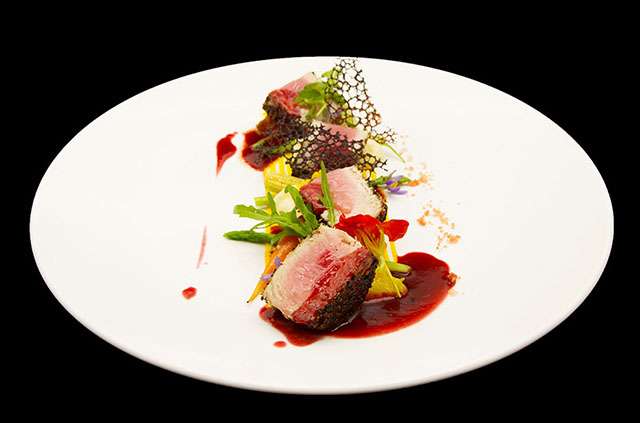
Lemongrass works best when its aroma is released rather than left as a rigid garnish. Bruising or slicing the stalk lets its citrus oils mingle with fish sauce, herbs and fat, while heat can make its character softer and more rounded. That flexibility suits Duong’s fusion approach: Vietnamese fragrance can lift a tuna steak plate without overwhelming the seafood.
The effect is clearest when lemongrass meets acidity, chilli and fresh herbs. It becomes a bridge rather than a solo flavour, carrying the nose from the first aroma to the deeper savoury notes of beef or seafood. For diners deciding what to order, Duong’s step-by-step salad guide is a useful companion because dressings reveal how brightness and heat can be balanced in one bite.
Ginger’s warmth, lift and savoury depth
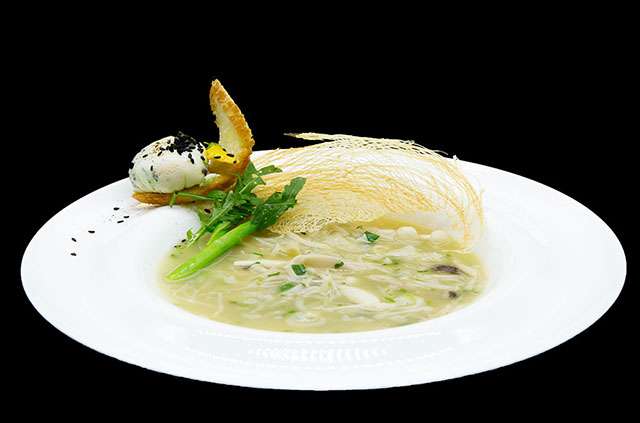
Ginger follows a different path. Its warmth and slight woodiness suit slow-tasting broths, seared fish and salad dressings, while its peppery snap can clear the palate after richer food. In mushroom soup, for example, ginger can keep the earthy mushrooms from feeling heavy; beside tuna, it adds depth without requiring a large dose of chilli.
For Australian diners, “not too hot” is a familiar table request, but it can blur an important distinction between heat and aromatic intensity. Many people now meet Vietnamese dishes through TikTok and delivery platforms, where a fiery sauce may be easier to notice than the quieter fragrance of ginger. An overview of the partner-kitchen selection process shows how kitchen capability and platform decisions shape what reaches diners, making a dine-in meal especially revealing when you want to judge aroma and texture separately.
How Saigon flavours travel to Australian tables
Australian diners already have useful reference points for this style of cooking. Sydney’s Cabramatta and Bankstown are known for Vietnamese communities, evening dining and lively food streets, while Melbourne’s laneway scene rewards compact menus of shareable plates. City lunch specials provide another familiar market pattern: a smaller selection of dishes, quicker service and prices designed for the working week rather than a long evening.
Takeaway is equally ordinary in Australia, and aroma behaves differently in transit. Soups retain heat in sealed containers, but a crisp salad or rice noodle roll can lose its fresh lift if packed too early. Diners searching for lemongrass and ginger should favour the moment the food is opened, whether that happens at home or around a communal table.
For visitors combining food with sightseeing, Duong’s District 1 address is a convenient base for understanding the city beyond one meal. The Cao Dai Temple guide explains the significance of one of Ho Chi Minh City’s distinctive spiritual landmarks and its surrounding neighbourhood. It is a useful cultural counterpoint to the restaurant’s French-Vietnamese story, which likewise treats Saigon as a city of layers rather than a single style.
Planning a flavour-focused Duong meal
Sydney diners also know how much aroma can shape a bowl through the city’s Japanese ramen culture, including Yamazaki Ramen, but Duong points towards a distinctly Vietnamese-French vocabulary. Its useful comparison is not which broth wins, but how lemongrass, ginger and fresh herbs behave alongside beef, tuna and vegetables.
- Start with the rice noodle beef rolls and notice how lemongrass keeps the beef from tasting heavy.
- Treat the mushroom soup as a study in ginger depth, paying attention to its warmth rather than expecting chilli heat.
- Order tuna steak or seafood to compare the two aromatic profiles: ginger’s savoury warmth against lemongrass’s citrus lift.
- Add a salad beside a richer main so its acidity, herbs and dressing provide contrast.
- Ask the team about the current aromatic accents when ordering, especially if you prefer less heat.
- Dine in when possible and eat the first bite promptly, because aroma fades faster than flavour once a dish has cooled.
Reserve a table at Duong Restaurant Saigon on Dong Du Street, choose a few dishes to share, and give lemongrass and ginger time to reveal the kitchen’s balance between fragrance, heat and texture.