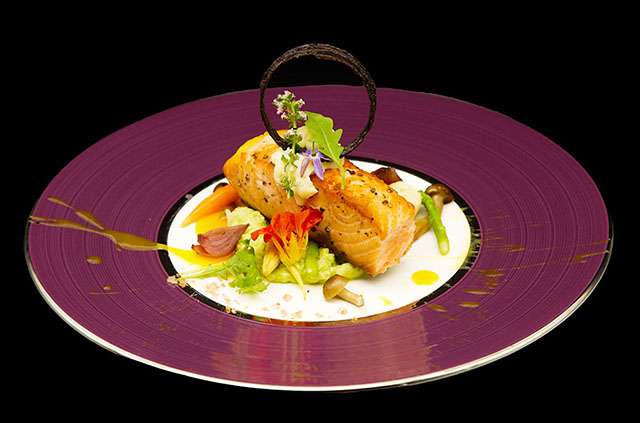
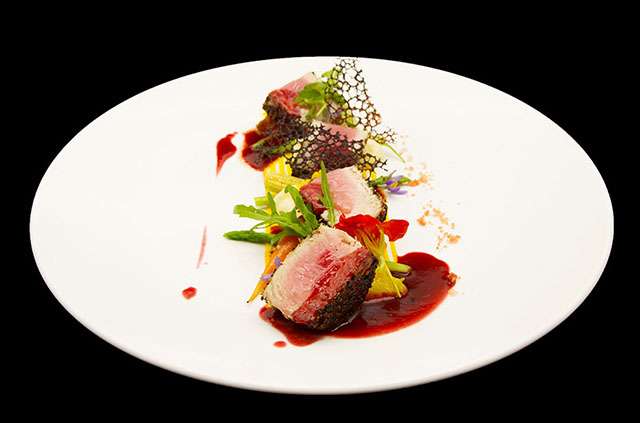
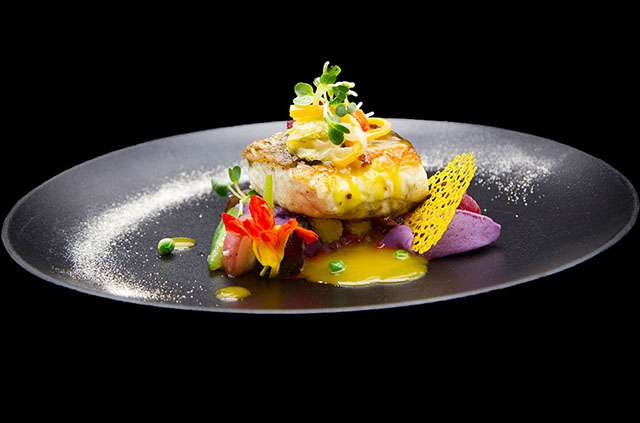
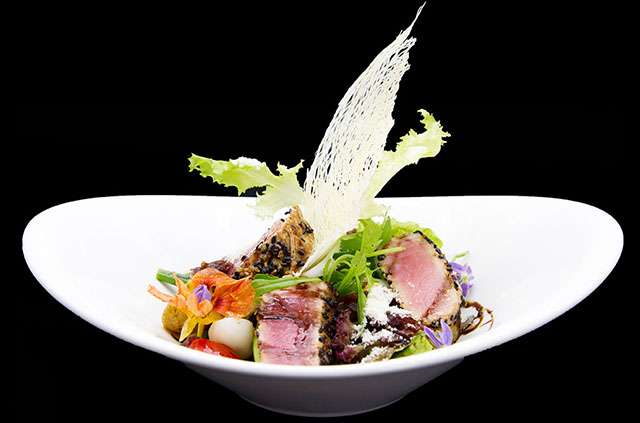
Tuna steak with a sweet-savory Saigon glaze
A tuna steak at Duong Restaurant Saigon is more than a crisp edge and a tender centre. On Dong Du Street in District 1, the plate reflects the restaurant’s Vietnamese and French fusion style: a carefully seared fish with a glossy finish that draws sweet and savoury notes together. The sweet and savory balance in Duong’s tuna steak glaze gives the tuna depth while keeping the fish itself in focus.
The pleasure comes from contrast. The glaze looks lacquered and rich, while tuna carries a clean, mineral flavour. A good bite moves between caramelised aroma, salt, acidity and the faint bitterness of a well-seared exterior. A fresh salad or light side softens those sharper edges, making the dish feel composed rather than heavy.
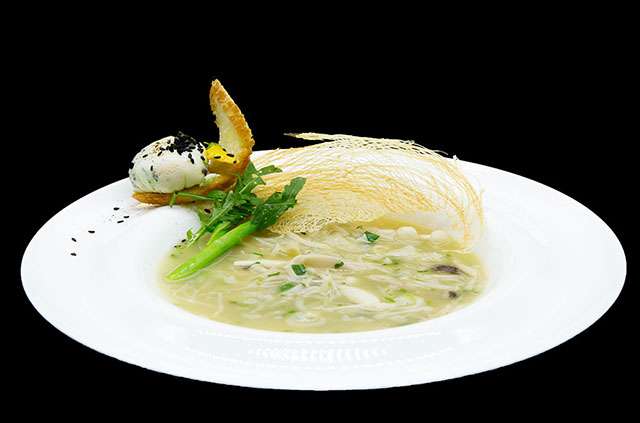
Duong’s chef-led approach to fine dining means ingredients and presentation may shift with availability, so the current menu should guide expectations. The tuna sits within a wider selection of seafood, rice noodle beef rolls, mushroom soup and Vietnamese-inspired salads. That broader context matters because the glaze expresses a kitchen balancing French precision with the brightness, texture and familiar flavours of Vietnamese cooking.
For visitors from Australia, the practical difference is currency and dining rhythm rather than a different idea of what tuna should taste like. Ho Chi Minh City evenings are busiest around meal time, and a Friday booking near 7 pm is sensible. Menu prices are quoted in Vietnamese dong, while Australian diners may prefer to think in AUD; checking the current price keeps the final bill easier to interpret.
Why the glaze changes the tuna
A glaze changes the tuna by adding flavour after the sear. Sweetness reads as roundness and aroma, while savoury notes bring umami and weight. Against tuna’s clean flesh, those deeper flavours become more legible than they would on a milder fish. The result is closer to a composed sauce-and-protein plate than a simply seasoned steak.
Heat is crucial. Caramelised edges deepen the glaze’s aroma, while acidity and controlled warmth keep sweetness from becoming sugary. The appealing middle lies between dessert-like glaze and salty coating. A crisp tuna crust, tender centre and glossy sauce give each bite several textures, keeping the fish at the centre of the plate.
A Vietnamese-French grammar for the plate
The French influence lies in the controlled sear and composed plating; the Vietnamese influence appears in the instinct for contrast and fresh, lively accompaniments. The result avoids making fusion feel like a novelty. The tuna remains recognisably tuna, while the glaze and sides invite the palate to move between rich and refreshing notes.
Other menu choices make the same logic visible. Duong’s customized salad guide explains how dressings, leaves and preferred ingredients can turn a salad into a tailored counterpoint to heavier dishes. Choose one with enough acidity to work beside the glaze, then treat it as part of the main meal rather than a token side.
Notes for Australian diners
Tuna can taste more assertive than salmon, particularly when its exterior is deeply seared. Many restaurants in Bondi, Fitzroy and Surry Hills serve precisely seared fish, so Australian diners may recognise the technique even when the sauce is unfamiliar. A small first taste is often the fairest test.
Australian restaurant language also sets a relaxed tone. “Give it a go” means trying something unfamiliar without much ceremony, while “no worries” can signal that a request will be handled easily. Some Australians call the evening meal tea, although dinner is the clearer term when confirming a reservation.
Market habits differ too. Australian menus usually show GST-inclusive prices and tipping is optional; in Ho Chi Minh City, the menu is in VND and any service charge should be checked on the bill rather than assumed. Cards are widely used in central restaurants, yet keeping some cash for transport and small purchases remains sensible.
Building a table around the tuna
If ordering individual dishes, begin with the tuna rather than filling the table with heavy starters. The mushroom soup offers warmth and savoury depth, while a seafood or salad course creates a cleaner transition. Sharing the rice noodle beef rolls can add texture without competing with the fish, provided the portions are kept modest.
Australian diners who enjoy Sydney’s Yamazaki Ramen can use it as a noodle reference point. Its careful broths and toppings show how much flavour can sit around a staple without muddying it; Duong’s rolled rice noodles offer a distinctly Vietnamese expression of the same principle, with the tuna supplying the contrasting main course.
The logic behind marinades and beef rolls
Although the focus here is tuna, the marinating approach at Duong shows how the kitchen treats seasoning as a controlled layer rather than a blanket coating. The beef guide is especially useful for understanding why tenderness depends on time, balance and respect for the ingredient.
That philosophy gives the beef rolls context and helps explain the restraint visible in the tuna plate. Marinades and glazes can both overpower, so precision matters. Here, the sweet and savoury notes should frame the fish’s clean flavour, not seal it beneath sweetness. Diners can ask the chef team what the current glaze emphasises.
A District 1 dinner for Australian travellers
Duong’s address on Dong Du Street places it in the energy of District 1 while retaining the restaurant’s cosy character. Central Saigon traffic can stretch a short journey, so allow time between a hotel, an attraction and dinner. A reservation is more dependable than relying on a walk-in seat.
Fusion dining has a longer history than menus sometimes suggest. The story of Neapolitan pizza history offers a useful parallel: a core dish can travel while keeping its identity. Duong’s tuna keeps the seared fish centre stage and uses Vietnamese-French technique to broaden the surrounding flavours without disguising what is on the plate.
For visitors from Melbourne or Sydney, an early dinner can slot neatly between daytime sightseeing, though Australian weekend habits often push bookings later. Check the current menu for availability and arrive with enough time to settle into the room. The chef-led presentation and attentive service are part of the experience rather than background details.
The tuna steak at Duong Restaurant Saigon rewards a simple approach: notice the sear, taste the glaze on its own, then return to the fish. Its sweet glaze and savoury depth work best when the accompaniments stay fresh and the table shares a few carefully chosen plates.
Check the current menu and reserve a table. Make Duong the final stop for your District 1 evening and let the chef-led menu set the pace.