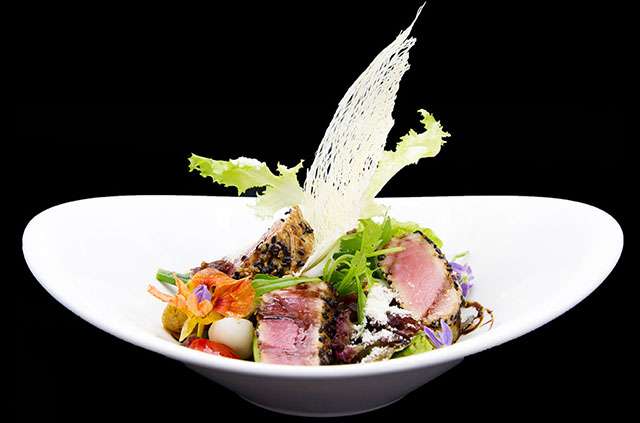
Tuna Steak with Lemongrass Butter: A Signature Fusion Recipe
Tuna steak with lemongrass butter brings together the clean, meaty texture of seared fish and the bright fragrance of Vietnamese aromatics. The dish feels refined enough for a fine-dining menu, yet its ingredients are familiar: fresh tuna, lemongrass, garlic, lime, herbs, and butter.
This recipe reflects the spirit of Duong Restaurant Saigon on Dong Du Street, where Vietnamese flavors meet French technique in a cozy District 1 setting. A hot pan creates a delicate crust on the tuna, while a gently emulsified butter sauce adds richness without masking the seafood.
The key is balance. Tuna should remain tender at the center, lemongrass should smell fresh rather than harsh, and acidity should lift the butter. With careful preparation, the result becomes an elegant Vietnamese-inspired seafood course for a special dinner at home.
The Idea Behind The Dish
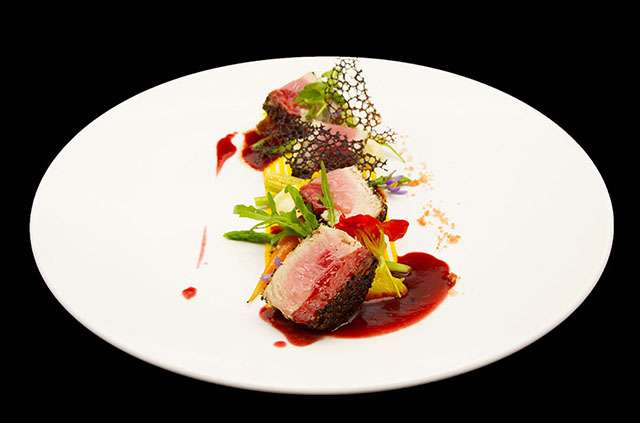
Tuna is naturally firm and flavorful, making it well suited to quick searing. Unlike delicate white fish, it can handle a bold sauce, but prolonged cooking can make the center dry and dense. A brief sear over high heat preserves its soft, ruby-colored interior while giving the outside a savory crust.
Lemongrass butter acts as the bridge between French and Vietnamese cooking. Butter supplies a smooth, luxurious base, while lemongrass, ginger, garlic, lime zest, and fish sauce add Southeast Asian character. The sauce should be aromatic and lightly salty, with enough citrus to keep the finish bright.
Choosing Ingredients With Care
Use thick tuna steaks, ideally around 3–4 centimeters, with a deep color, clean ocean scent, and firm flesh. Yellowfin or sashimi-grade tuna works well when served rare, although diners who prefer a more thoroughly cooked center can sear the steaks for longer.
Fresh lemongrass makes a noticeable difference. Choose stalks that are pale near the base and release a citrus scent when bruised. Trim away the tough outer layers, then finely mince the tender core. Unsalted butter gives better control over seasoning, while lime, Vietnamese fish sauce, and cracked black pepper build a balanced savory profile.
For a complete plate, prepare a handful of herbs such as Thai basil, cilantro, or Vietnamese mint. A small salad of cucumber and green papaya, lightly dressed with lime, can add crunch and contrast to the warm tuna.
Preparing The Lemongrass Butter
Begin by gently softening minced lemongrass, shallot, garlic, and a little ginger in a saucepan with a teaspoon of neutral oil. Keep the heat low. The aromatics should become fragrant and translucent without turning brown, since burnt lemongrass can introduce bitterness.
Add a splash of dry white wine or light fish stock and simmer until reduced by about half. Lower the heat and whisk in cold cubes of butter gradually. The sauce should become glossy and lightly thickened. Finish with lime zest, a few drops of lime juice, fish sauce, and black pepper. Strain it for a smooth restaurant-style finish, or leave the fine aromatics in for a more rustic texture.
If the butter begins to separate, remove the pan from the heat and whisk in a teaspoon of cold water. The water helps bring the emulsion back together. Keep the sauce warm, never boiling, while the tuna cooks.
Searing Tuna To The Right Texture
Pat the tuna dry before seasoning. Moisture on the surface causes steaming instead of browning, while a dry surface develops a better crust. Brush the steaks lightly with oil and season with salt and pepper just before they enter the pan.
Use a heavy skillet heated until very hot. Sear each side for approximately 60–90 seconds for a rare center, adding the edges briefly if the steaks are thick. For medium-rare tuna, extend the cooking time by another 30–60 seconds per side. Let the fish rest for two minutes before slicing so the juices settle.
| Component |
Suggested amount |
Purpose |
| Thick tuna steaks |
2, about 180 g each |
Main protein |
| Unsalted butter |
100 g |
Silky sauce base |
| Lemongrass, tender core |
1 stalk |
Citrus fragrance |
| Garlic and shallot |
1 clove and 1 small shallot |
Savory depth |
| Lime zest and juice |
1 lime |
Fresh acidity |
| Vietnamese fish sauce |
1–2 teaspoons |
Umami and seasoning |
| Neutral oil |
1 tablespoon |
High-heat searing |
Slice the rested tuna across the grain and spoon the lemongrass butter around it rather than flooding the top. This preserves the seared surface and allows the diner to combine the sauce with each bite. A few drops of lime juice added at the table can sharpen the flavors further.
Balancing French Technique With Vietnamese Flavor
The sauce follows a classic French beurre blanc approach, but its aromatics are distinctly Vietnamese. The important technique is gradual emulsification: cold butter is incorporated slowly into a reduced liquid, creating a sauce that feels rich, smooth, and cohesive.
Vietnamese seafood cooking often relies on freshness, acidity, herbs, and umami rather than heavy seasoning. That makes the dish especially adaptable. For a deeper flavor, add a small amount of chili to the aromatics. For a gentler version, replace some fish sauce with light soy sauce and use extra lime zest.
Those interested in the broader relationship between these cuisines can explore this guide to French seafood pairing, which offers useful inspiration for sauces, seafood, and wine-friendly combinations.
Plating The Tuna For A Refined Finish
A warm white plate gives the tuna and green herbs visual prominence. Arrange several slices slightly overlapping, then place a small mound of cucumber salad or sautéed greens alongside them. Spoon the lemongrass butter in a crescent around the fish, leaving part of the crust visible.
Garnishes should support the flavor rather than decorate the plate excessively. Crispy fried shallots add texture, while cilantro leaves, Thai basil, microgreens, or finely sliced scallions supply freshness. A few toasted sesame seeds can provide a subtle nutty note, though they should be used sparingly.
For wine, choose a crisp Sauvignon Blanc, an unoaked Chardonnay, or a dry Riesling. Diners who prefer a Vietnamese-style pairing may enjoy jasmine rice, pickled vegetables, and a light herb salad instead of a rich starch. The goal is to keep the meal fresh, fragrant, and well proportioned.
Practical Recommendations For Home Cooks
A few small decisions make the difference between a good tuna dish and a polished one:
- Bring the tuna close to room temperature before searing so it cooks evenly.
- Mince lemongrass very finely to avoid fibrous pieces in the butter.
- Keep the pan hot and the cooking time short to protect the tuna’s texture.
- Taste the sauce after adding fish sauce before adding more salt.
- Serve immediately, while the butter is glossy and the fish is still warm.
This recipe is especially suited to a dinner that celebrates Saigon’s combination of local ingredients and international culinary influence. For more ideas about enjoying the city’s food culture, read this District 1 dining guide.
Tuna steak with lemongrass butter can be prepared as an intimate home meal, but it also captures the atmosphere of a chef-led restaurant: precise cooking, aromatic ingredients, and a plate designed around balance. When visiting Ho Chi Minh City, experience this Vietnamese-French approach in person and reserve your experience at Duong Restaurant Saigon.