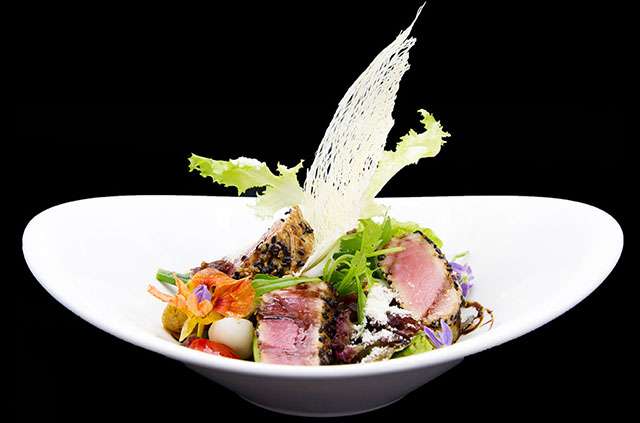
Understanding the sauce-to-bite ratio at Duong Restaurant Saigon
When diners talk about the sauce-to-bite ratio, they are really talking about the harmony between a dish's main component and the liquid or semi-liquid element that accompanies it. A well-calibrated ratio means each mouthful delivers flavor without overwhelming the protein, vegetable, or starch beneath. In the world of Vietnamese and French fusion, this balance becomes an art form because sauces often carry the cultural signature of a kitchen while the bite carries the texture and substance.
At Duong Restaurant Saigon on Dong Du Street in District 1, the kitchen treats this ratio as a measurable craft. The team understands that Australian travellers landing in Ho Chi Minh City expect more than just heat or salt; they want layered flavor, clean finish, and a sauce that complements rather than drowns. Whether a guest orders rice noodle beef rolls or a tuna steak, the philosophy remains consistent across the menu.
Decoding the sauce-to-bite ratio
The sauce-to-bite ratio is the proportion of sauce to solid food in a single mouthful, but it goes deeper than measurement. It involves viscosity, temperature, salt content, acidity, and aroma. A thick reduction will coat the bite, while a light broth will pool at the bottom of the spoon and require deliberate dipping. The goal is to let the sauce guide the bite, not bury it.
Vietnamese cuisine has long understood this dynamic through dishes like bánh xèo with nước chấm, or grilled meats served with a thin dipping sauce. French technique contributes reductions and emulsions that cling to protein. When combined, the result is a dish where the sauce acts as a seasoning layer rather than a soup. Diners who explore what to eat in HCMC often discover that the best plates follow this quiet logic.
How the Duong kitchen calculates each plate
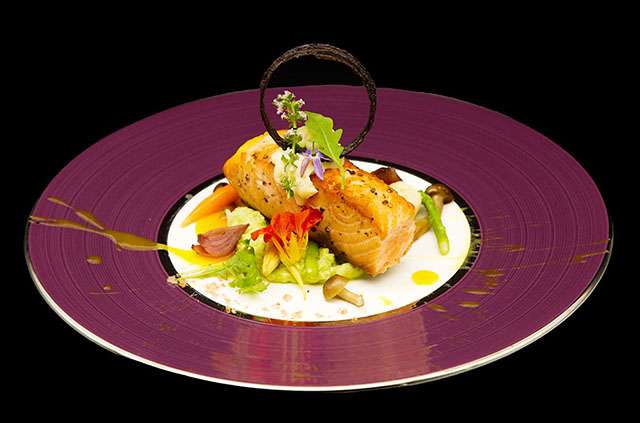
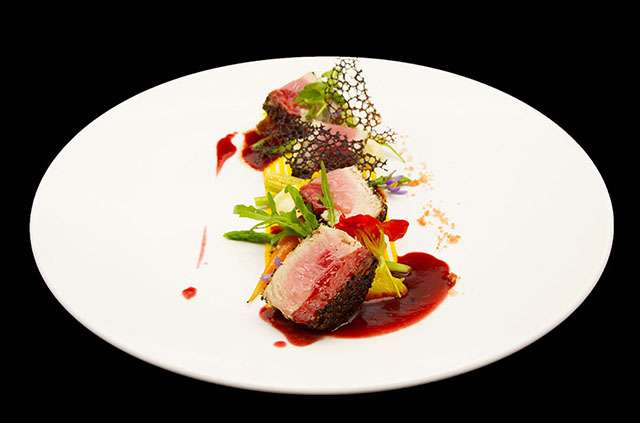
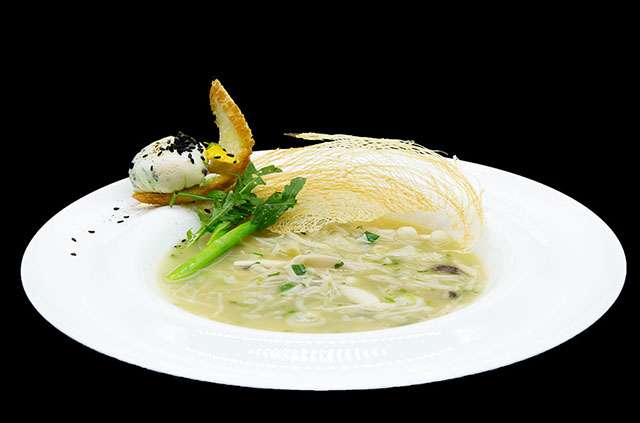
The culinary team at Duong Restaurant Saigon approaches each plate with a sense of proportion. The chef-led menu considers the moisture content of the protein, the starchiness of the noodles, and the intensity of the accompanying sauce before the dish leaves the pass. A tuna steak, for example, receives a lighter citrus-based glaze so the fish remains the center of attention, while a mushroom soup arrives with a richer, deeper broth because the bite itself is the liquid.
This method mirrors the way Australian chefs in Melbourne and Sydney approach tasting menus. In suburbs like Richmond and Footscray, where Vietnamese restaurants sit alongside modern Australian bistros, diners have grown used to dishes where sauce is an accent. That same sensibility travels well to Dong Du Street, where the kitchen leans on French reductions but never lets them overshadow the Vietnamese backbone of each plate.
The role of fish sauce in the kitchen
Fish sauce is the quiet engine behind many of the restaurant's flavor profiles. Unlike heavy Western gravies, fish sauce brings salinity, sweetness, and umami in a thin, almost weightless form. This makes it ideal for dishes where the bite is delicate. A drizzle of fish sauce over a rice noodle roll adds brightness without coating the noodle, allowing the herbs and protein inside to remain readable.
The kitchen's thoughtful approach to this ingredient is detailed in a guide about fish sauce in the kitchen, which explains how the chefs use it in marinades, finishing touches, and broths. Because fish sauce is so concentrated, even a small amount shifts the entire ratio of a dish. The team treats it like a finishing salt, adjusting at the last moment rather than during the main cook.
Comparing to Australian palates
Australian diners often arrive in Ho Chi Minh City with a strong appreciation for bold, fresh flavors. Years of eating at Vietnamese eateries in Sydney's Cabramatta or Brisbane's Inala have trained many palates to expect herbaceous, balanced plates. The sauce-to-bite ratio is part of why these dishes work back home too: the sauce lifts the bite, and the bite grounds the sauce.
There is also a practical reason this concept resonates in Australia. Many home cooks in Brisbane and Perth keep fish sauce in the pantry alongside soy sauce and oyster sauce, using small splashes to finish stir-fries and dressings. This familiarity means the sauce philosophy at Duong Restaurant Saigon feels intuitive. Guests do not need to be told to dip or drizzle; they recognize the balance instinctively.
Pairing sauces with the right bite
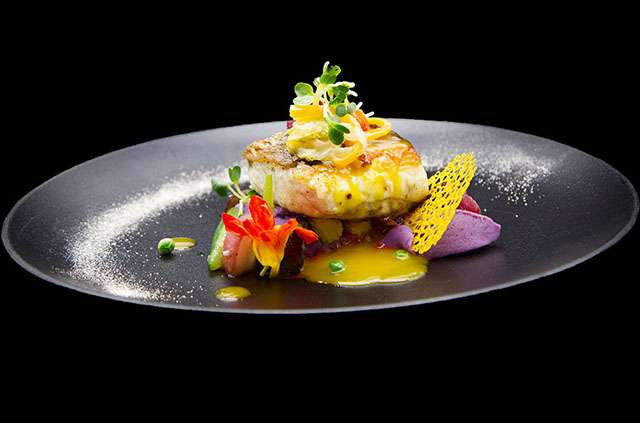
Matching the right sauce to the right bite is the final step in the ratio. Delicate proteins like seafood or thinly sliced beef call for lighter, brighter sauces that do not mask the texture. Heartier elements like mushrooms or grilled vegetables can carry richer reductions because they absorb flavor without losing form. The kitchen uses this logic across the menu, from salads to signature plates.
Diners who pay attention to this pairing often find that the meal becomes more interactive. Each dish invites a choice: dip fully, dip lightly, or pour over. That choice is the sauce-to-bite ratio in action, and it transforms a plate into a small conversation between chef and guest.
Recommendations for getting the most from the menu
- Start with the rice noodle beef rolls and treat the dipping sauce as a seasoning, not a soup.
- Ask the server which dishes have lighter glazes and which carry deeper reductions before ordering.
- Use the chopsticks to guide the bite into the sauce rather than pouring it on top.
- Pair the mushroom soup with a lighter protein plate to balance richness across courses.
- Finish the meal with a dish that has a citrus-based sauce to reset the palate.
- Take note of how the tuna steak interacts with its glaze and compare it to the noodle dishes.
- Reserve time to sit and observe the way the sauce settles on the plate between bites.
Reserve a table at Duong Restaurant Saigon and experience the balance firsthand, or explore the full menu before you arrive.