What Duong Restaurant Saigon’s Chef Does Differently with Classic Pho
Classic pho is often described through its familiar comforts: fragrant broth, tender beef, flat rice noodles and fresh herbs. At Duong Restaurant Saigon on Dong Du Street, the dish is treated with the discipline of fine dining while retaining the warmth and generosity expected from a Vietnamese bowl of noodle soup.
For Australian diners, that balance makes pho especially appealing. It has the freshness people seek in Sydney’s Chinatown, the regional character appreciated around Melbourne’s Victoria Street, and the careful presentation expected from a modern restaurant in a busy District 1 setting. Duong’s chef-led approach gives a well-known dish a more focused, polished identity.
Starting With The Ingredient, Not The Garnish
The chef’s first point of difference is restraint. Rather than allowing chilli, hoisin sauce or a crowded collection of herbs to dominate, the kitchen builds the bowl around the natural flavour of the stock. Beef bones, aromatics and spices are handled so that the finished broth tastes layered without becoming heavy.
That clarity matters when the dish is served in a fine-dining room. Star anise, cinnamon, ginger and onion should be recognisable, yet they need to sit in harmony. The result is a broth with a clean finish, allowing diners to notice the quality of the beef and the subtle sweetness that develops during slow cooking.
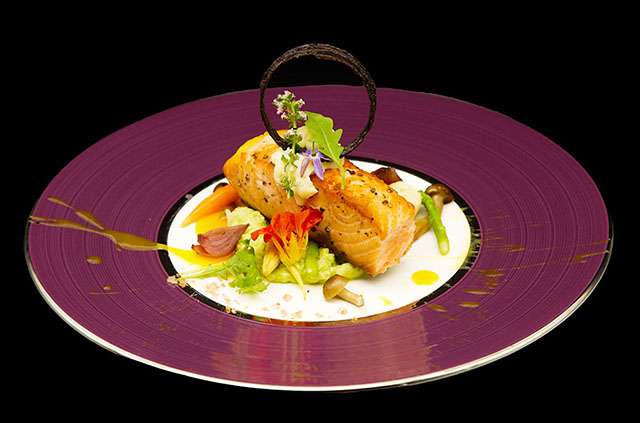
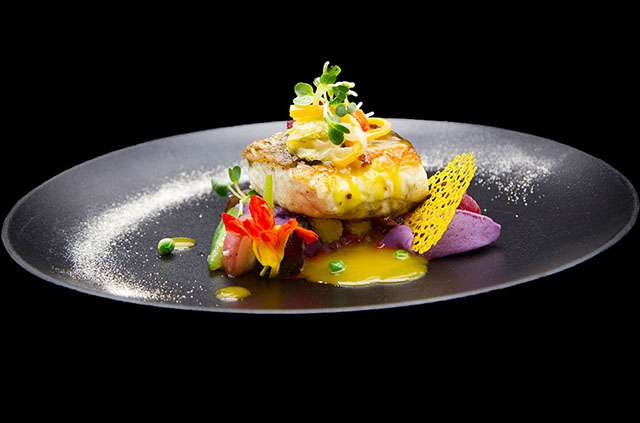
Duong’s broader menu follows a similar philosophy. Its Vietnamese-inspired dishes use familiar local ingredients but present them with precision, creating a dining experience that feels considered without losing its connection to Saigon’s food culture. The restaurant’s dining setting supports that approach with an intimate atmosphere and attentive service.
A Broth With Greater Precision
Many bowls of pho depend on a long simmer to create richness. Duong’s chef also pays close attention to balance, removing impurities and controlling the intensity of the stock so it remains aromatic rather than oily. This is a subtle technical difference, but it changes the way the bowl develops from the first spoonful to the last.
The seasoning is calibrated to work with the noodles and meat, rather than masking them. A good broth should be satisfying on its own before herbs or condiments are added. That makes the dish easier to appreciate for Australian guests who may be trying regional Vietnamese cooking for the first time.
The approach also suits diners who are used to ingredient transparency. Across Australia, customers increasingly look for a clear sense of provenance, preparation and value when choosing a special-occasion meal. A carefully made pho broth answers those expectations through flavour rather than lengthy explanation.
Texture Is Treated As A Main Ingredient
Pho is a dish of contrasts, and the chef gives each one attention. The rice noodles must be soft enough to absorb the broth but firm enough to retain their shape. Beef needs to be tender without disappearing into the soup, while herbs and bean sprouts bring freshness and a little crunch.
Timing is central to this. Noodles that sit too long lose their spring, and meat added at the wrong moment can become tough. The kitchen therefore treats assembly as part of the cooking process, bringing the components together just before service so the bowl arrives at its best.
This same attention to sequence appears in other Asian dining traditions, where the order of flavours can influence the whole meal. Diners interested in that principle can explore this guide to eating sushi in order, then notice how pho creates its own progression through broth, noodles, meat, herbs and seasoning.
French Technique Without Losing Vietnamese Character
Duong Restaurant Saigon’s French-Vietnamese identity is not about turning pho into a European dish. Instead, French culinary discipline appears in the background: careful stock-making, controlled reduction, refined plating and an emphasis on balance. These techniques make the traditional flavours more distinct.
The presentation may be more composed than a casual street-side bowl, yet the dish remains recognisably pho. The aromatic broth still leads, the rice noodles still provide the foundation, and the herbs still bring the bright, fresh lift associated with Vietnamese cuisine.
That distinction is important for visitors from Australia, where fusion dining can sometimes mean ingredients are combined simply for novelty. Here, the French influence functions as a method rather than a gimmick. It sharpens the dish while respecting its origins.
Designed For A Leisurely City Meal
A classic pho bowl is often associated with speed and convenience, but Duong places it within a slower dining rhythm. Guests can take time with the aroma, taste the broth before adding condiments and enjoy the meal as part of an evening in central Ho Chi Minh City.
This suits Australian travel habits, particularly for visitors planning a relaxed dinner after exploring Ben Thanh Market, the Saigon River or the galleries and cafés around District 1. Australians are generally comfortable with long lunches and shared dining, but they also appreciate efficient service and clear booking arrangements when travelling. Duong’s format brings both elements together.
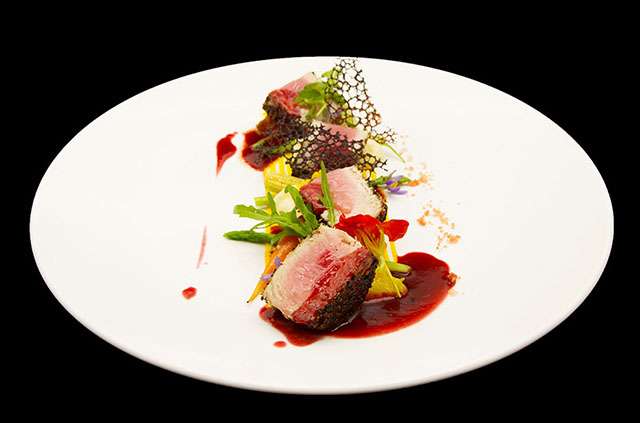
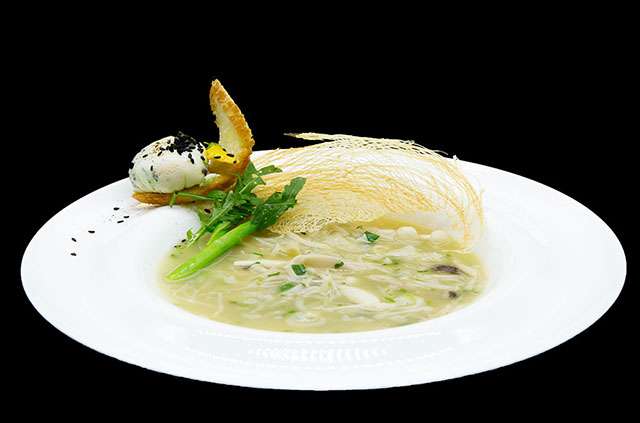
For a more polished experience, the chef’s pho works well as part of a broader meal rather than as a rushed standalone lunch. The menu includes seafood, tuna steak, mushroom soup, salads and rice noodle beef rolls, giving groups an opportunity to share dishes across different tastes and dietary preferences.
Flavour Pairing Beyond The Bowl
The chef’s treatment of pho also encourages a closer look at drinks. The broth’s spice, savoury depth and herbal freshness can be difficult to pair with a powerful red wine. A wine with too much oak or tannin may overwhelm the delicate aromatics.
Lighter French whites, fresh rosés and carefully selected reds can offer a more suitable match, depending on the dish and its garnishes. The aim is to complement the broth rather than compete with it. Duong explains this relationship in its guide to French wine pairings, which helps diners understand how Vietnamese flavours can work with European wine.
For Australian guests accustomed to ordering local Sauvignon Blanc, cool-climate Chardonnay or a bright Victorian Pinot Noir, this is a useful way to approach the list. The best choice depends on whether the meal leans towards fresh herbs, richer beef or seafood, and the restaurant team can guide the selection.
What To Notice When Ordering Pho At Duong
- Taste the broth before adding chilli, lime or hoisin sauce.
- Notice how the noodles hold their texture from the first bite to the last.
- Look for balance between warming spices, fresh herbs and savoury beef.
- Consider ordering a lighter French wine if pairing pho with a drink.
- Allow time to enjoy the bowl as part of a full District 1 dining experience.
Duong Restaurant Saigon’s interpretation shows that classic pho does not need dramatic reinvention to feel new. Its difference lies in precision: a cleaner broth, carefully timed textures, restrained presentation and a French influence that supports rather than replaces Vietnamese identity.
Reserve a table on Dong Du Street and experience how the chef turns one of Saigon’s most familiar dishes into a composed fine-dining expression of place, craft and flavour.