Why Duong Restaurant Saigon’s Pâté Stands Apart
For Australian diners, pâté usually brings to mind a French bistro, a country pub platter, or a generous smear served with sourdough and cornichons. In Ho Chi Minh City, the experience can be more layered. At Duong Restaurant Saigon, this familiar French preparation sits within a Vietnamese dining culture shaped by herbs, freshness, fragrance and carefully balanced flavours.
The result is a pâté that feels refined without becoming overly formal. Its character comes from the meeting point between French culinary technique and Vietnamese taste preferences, where richness is moderated by aromatic lift and a clean finish. That balance makes it an appealing choice for diners who enjoy classic food with a distinctly local identity.
Duong’s location on Dong Du Street in District 1 also gives the dish a useful context. This is a central part of Saigon, close to hotels, galleries, cafés and major sights, so a meal can easily become part of a wider city itinerary. For Australians planning a holiday from Sydney, Melbourne, Brisbane or Perth, it offers a polished dining stop after a day in the busy centre.
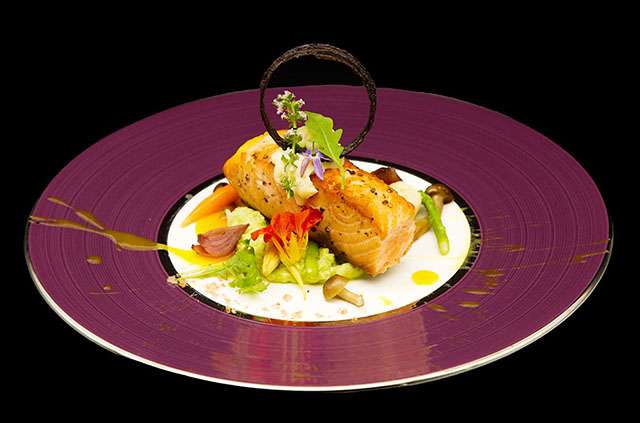
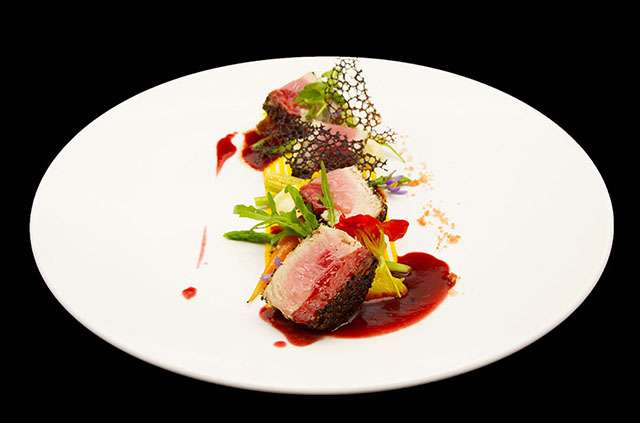
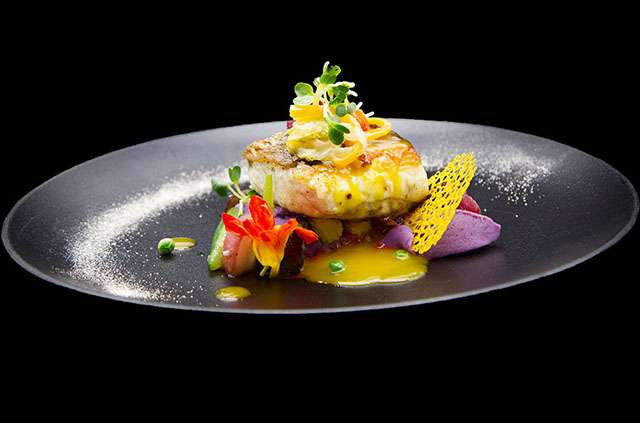
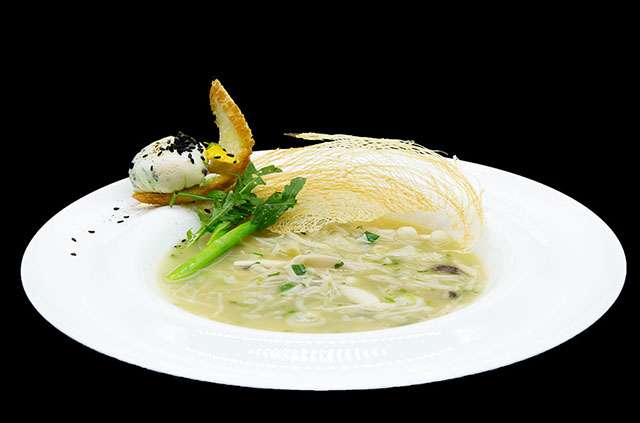
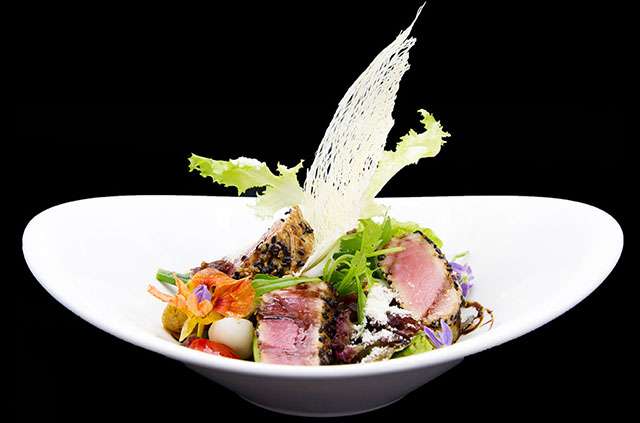
The restaurant’s chef-led approach is important, too. Rather than treating pâté as a generic appetiser, Duong presents it as part of a broader Vietnamese-French menu that includes seafood, tuna steak, salads, mushroom soup and rice noodle beef rolls. Each course helps show why the pâté tastes connected to Saigon rather than simply borrowed from France.
A French Classic With A Saigon Accent
French pâté traditionally depends on careful seasoning, a smooth or rustic texture, and enough fat to create depth. Duong’s interpretation gains distinction through the Vietnamese setting and culinary sensibility. The dish is likely to feel more aromatic and lively than a heavy European-style version, with seasoning designed to work alongside the rest of the meal.
Vietnamese food often aims for harmony rather than a single dominant note. Sweet, savoury, herbal, peppery and gently acidic elements can sit together in one meal. That philosophy changes how a rich spread is experienced: instead of overwhelming the palate, it becomes a composed opening to dinner.
This is especially appealing to Australian diners accustomed to modern Asian menus. Whether the comparison is a Melbourne wine bar, a Sydney neighbourhood restaurant or a smart dining room in Adelaide, local diners often look for recognisable foundations with a sense of place. Duong’s pâté answers that preference through restraint and regional character.
Texture Is Central To Its Appeal
A memorable pâté is judged as much by texture as by flavour. It should spread easily, feel cohesive and offer richness without becoming greasy. A preparation that is too firm can seem dry, while one that is too loose may lack structure. The appeal lies in the fine balance between tenderness, moisture and a clean finish.
That balance matters when the pâté is served as part of a fine-dining experience. It needs to prepare the palate for later courses rather than dominate them. At Duong, the dish fits naturally into a menu where delicate seafood, fresh salads and grilled or pan-cooked proteins may follow.
Presentation also influences perception. A carefully shaped portion, attractive garnish and suitable accompaniment can make pâté feel lighter and more contemporary. Vietnamese herbs, crisp vegetables or bright condiments may provide contrast, allowing each bite to shift between creamy richness and freshness.
Aromatics Create Its Distinctive Identity
The most recognisable difference is often found in the seasoning. French pâté may lean on onion, garlic, herbs, pepper and warm spices, while Vietnamese cooking frequently adds a more fragrant balance. The aim is not to disguise the main ingredient, but to give it a brighter and more expressive profile.
This approach reflects the wider logic of Duong’s menu. The restaurant’s food is Vietnamese-inspired while drawing on French technique, so the pâté belongs to a culinary conversation rather than a single tradition. It can feel familiar to someone who already enjoys pâté, yet surprising enough to remain memorable.
Travellers who enjoy exploring local food markets may appreciate that same combination of the familiar and the unexpected at Binh Tay Market. The market’s energy helps explain why Saigon cuisine often values vivid aromas, contrasting textures and ingredients that work across several culinary influences.
| Quality |
Traditional French Reference |
Duong Restaurant Saigon’s Expression |
| Flavour |
Rich, savoury and herb-led |
Fragrant, balanced and influenced by Vietnamese tastes |
| Texture |
Smooth, rustic or finely blended |
Refined and designed for an elegant first course |
| Role in the meal |
Bistro starter or terrine accompaniment |
Part of a chef-led Vietnamese-French dining journey |
| Overall impression |
Comforting and substantial |
Rich yet lifted, with a clear sense of Saigon |
It Works As Part Of A Full Dining Journey
One reason the pâté feels distinctive is the way it fits into the entire meal. It can begin with a gentle richness before the menu moves towards seafood, beef, salads or a more substantial main course. This progression gives the dish purpose, rather than presenting it as an isolated speciality.
Diners may also notice how its seasoning prepares them for other Vietnamese-inspired flavours. The menu’s variety means guests can contrast the pâté with a mushroom soup, a tuna steak or rice noodle beef rolls. These combinations make the restaurant suitable for sharing several plates, a style of dining familiar to many Australians who enjoy ordering across the table.
For visitors watching the clock between sightseeing and dinner, Dong Du Street is conveniently placed. A reservation is sensible during busy travel periods, particularly around weekends and Australian school holiday dates, when central Ho Chi Minh City restaurants can attract international visitors and local celebrations.
The Chef’s Technique Supports The Flavour
Good pâté begins well before it reaches the table. Ingredient preparation, seasoning time, temperature control and blending all influence the final result. A chef-led restaurant can pay attention to these details in a way that distinguishes a composed appetiser from a mass-produced spread.
That same respect for preparation appears elsewhere in Duong’s cooking. The restaurant explains its approach to marinating beef, showing how patience and method can improve tenderness and flavour. While beef and pâté require different techniques, both benefit from controlled seasoning and a clear understanding of texture.
For Australian guests, this care may recall the difference between a supermarket pâté and one made by a respected small producer. Australia’s food market has a strong appreciation for artisan methods, whether the product comes from a regional deli, a farmers’ market or a chef-driven restaurant. Duong brings that same attention to detail into a Saigon setting.
How To Enjoy The Pâté At Duong
The best way to appreciate the dish is to treat it as part of the restaurant’s broader Vietnamese-French identity. Give attention to its aroma first, then notice how the texture changes with any bread, garnish or accompaniment. Small bites make it easier to identify the shift from richness to freshness.
It is also worth balancing the pâté with dishes that offer contrast. A fresh salad or seafood course can cleanse the palate, while a more substantial beef or tuna dish can continue the meal’s savoury direction. Diners who prefer a relaxed Australian approach can share several starters before settling on mains.
A visit can fit neatly into a day of central Saigon sightseeing. Duong’s own guide to Saigon Botanical Gardens offers inspiration for pairing a restaurant meal with green space and cultural exploration.
Ways To Make The Most Of The Dish
- Reserve ahead if dining at a peak time or during a busy holiday period.
- Order the pâté as an opening course rather than alongside several equally rich starters.
- Pair it with a fresh salad or seafood dish for contrast.
- Notice the aroma and texture before adding any accompaniment.
- Share several Vietnamese-inspired plates to experience the menu’s range.
- Allow time for a relaxed meal rather than treating the restaurant as a quick stop.
Duong Restaurant Saigon’s pâté stands out because it is more than a French appetiser placed on a Vietnamese menu. Its appeal comes from the balance of technique, texture, aromatic seasoning and local context. For Australian travellers seeking a polished meal with a genuine Saigon identity, it is a small but revealing expression of the restaurant’s wider culinary style. Reserve a table on Dong Du Street and make it part of your next Ho Chi Minh City dining itinerary.