What to Ask the Sommelier at Duong Restaurant Saigon
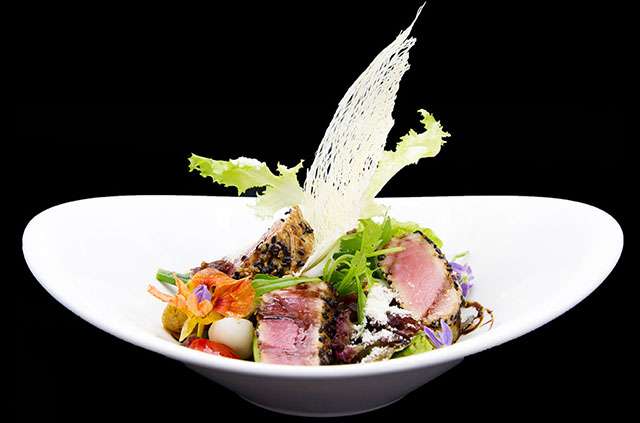
Walking into a fine-dining room in Ho Chi Minh City can feel a bit like stepping onto a stage, especially when the wine list looks as carefully composed as the cuisine. At Duong Restaurant Saigon, where Vietnamese tradition meets French technique, the sommelier is there to make sure the bottle on your table enhances every bite of tuna steak, mushroom soup, and herb-laden salad. Yet many travellers hesitate to ask questions, worried they might appear uninformed or high-maintenance.
For Australians visiting District 1, the experience tends to feel familiar in some ways and refreshingly different in others. Aussies are used to chatting openly with staff at a barbie or a bistro back home, but a Vietnamese-French tasting menu calls for a slightly different vocabulary. Knowing which questions to put to the sommelier can turn a lovely dinner into a memorable one, and it can also help you discover bottles you would never pick off a supermarket shelf in Sydney or Melbourne.
Why the sommelier matters at a fusion table
A fusion menu draws from several traditions at once, and that makes wine pairing more nuanced than usual. The chef's use of fish sauce, lemongrass, and fresh herbs alongside French butters and reductions creates flavour profiles that do not always behave well with conventional choices. The sommelier at Duong Restaurant Saigon has built a list specifically to handle that tension, choosing bottles with enough acidity to lift nuoc cham and enough body to stand up to seared tuna.
Australians, who tend to favour bold Shiraz from the Barossa or crisp Sauvignon Blanc from Margaret River, might be surprised by how well a chilled Riesling or a lighter Pinot Noir can handle these dishes. Asking the sommelier to explain the reasoning behind a pairing is a perfectly normal thing to do, and it can broaden your palate for future trips back home.
Understanding the wine list's Vietnamese soul
Vietnamese flavours are aromatic, bright, and sometimes a little fiery, so the wines chosen need to respect that without overpowering it. A good question to start with is how the sommelier approaches texture alongside aroma. The nuoc cham texture guide explains how the balance of sweet, sour, salty, and spicy elements on the plate shapes what ends up in the glass.
You might ask whether the list leans toward Old World classics, New World experimentation, or a mix designed around the menu. You could also ask which glass the sommelier recommends for someone who wants to taste the Vietnamese ingredients as clearly as possible. These are not trick questions. They are exactly the kind of inquiry that helps the team guide you toward something you will genuinely enjoy rather than something they simply need to sell.
Pairing wines with the chef's signature dishes
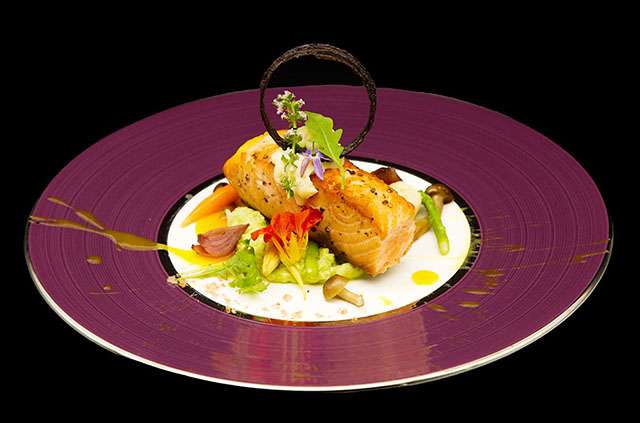
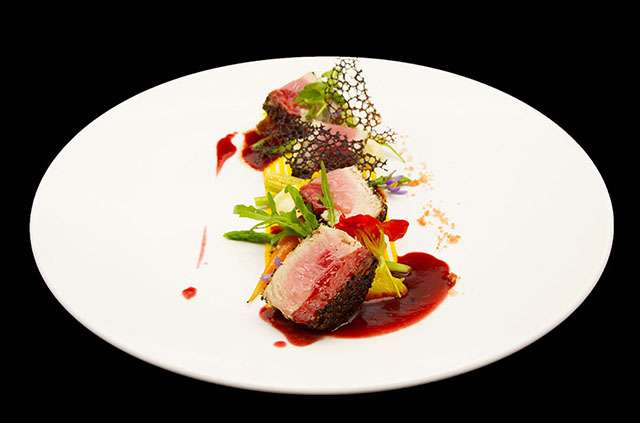
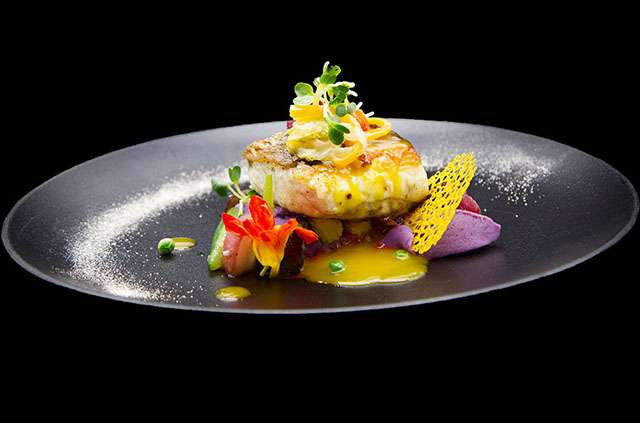
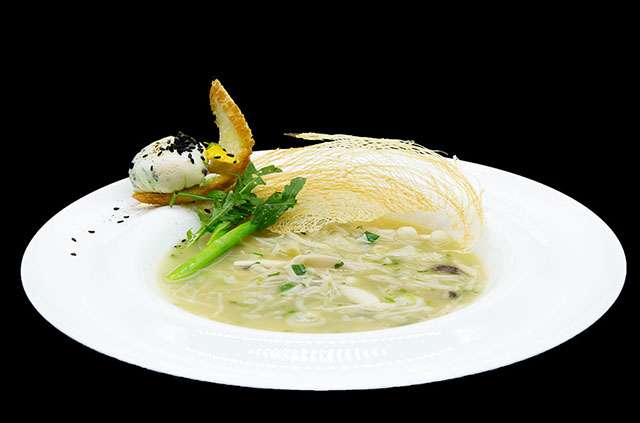
The menu at Duong Restaurant Saigon includes rice noodle beef rolls, fresh seafood, tuna steak, mushroom soup, and a variety of salads. Each of these asks something different from a wine, which is why a thoughtful pairing can elevate the meal. When the sommelier arrives, consider asking one of the following:
- Which wine on the list best highlights the herbs in the rice noodle rolls?
- Would you recommend a white or a red for the tuna steak?
- Is there a sparkling option that complements the mushroom soup without overwhelming it?
- What bottle would you pair with the seafood if I wanted something unexpected?
- Can you suggest a wine that bridges the Vietnamese and French elements on the menu?
- How should I order the pairings across a multi-course tasting?
These are direct, practical, and appreciated by any trained sommelier. They signal that you are engaged with the food, not just there for a quick drink before heading to Notre Dame Cathedral or a walk down Dong Du Street.
Discovering local Vietnamese labels
Australia has built a strong wine identity over the last few decades, from Coonawarra Cabernet to Tasmanian Pinot Noir, so many Aussie travellers are curious about how Vietnam's own producers compare. The country is not yet a major export player, yet regions like Dalat and Binh Thuan have been quietly producing grapes for years, and a few boutique labels have started to appear on high-end lists. Asking the sommelier whether any Vietnamese wines are featured can be a fascinating detour.
You might also ask how local labels differ from French imports in terms of style and price. Some diners want to know whether Vietnamese wines tend toward fruit-forward profiles or something more mineral-driven. Others are curious about whether the restaurant supports small producers, a question that resonates with Australian consumers who have grown used to asking about provenance at their local bottle shop.
Reading the room and asking for recommendations
Sometimes the best wine choice has less to do with the menu and more to do with the mood of the evening. Australians travelling in groups often appreciate a relaxed vibe, while couples might be after something a little more celebratory. The sommelier can read the table and steer you accordingly, provided you give them a few cues. Useful questions in this context include:
- I am in the mood for something celebratory but not heavy, what would you pour?
- What is your current favourite bottle on the list and why?
- Is there a wine you would recommend for someone who usually drinks craft beer back home?
- Can you suggest a glass rather than a full bottle for a light diner like me?
- What is the best food-friendly red under a certain price point?
- Which wine on the list offers the best value for the quality?
These questions show trust and openness, and they let the sommelier do what they do best.
Common concerns from Australian travellers
A few questions come up time and again from visitors who have grown up with Australia's straightforward dining culture. Worries about wine strength, value, or whether a bottle can be finished over multiple courses are all worth raising. You can ask about alcohol levels compared with Australian Shiraz, which often runs higher, or whether the restaurant offers half pours for tasting.
It is also fair to ask about corkage if you have brought a bottle from your hotel, although doing so politely usually involves calling ahead. Asking about allergen information, especially regarding fining agents in wine, is another thoughtful move that Australians, who are used to strict labelling laws, often appreciate raising.
Making the most of your evening at Duong Restaurant Saigon
A good sommelier wants to share their knowledge, and a curious guest makes the job rewarding. The next time you sit down at the restaurant, treat the wine list as part of the experience rather than an afterthought. Ask your questions, listen to the answers, and let the team guide you through the menu in a way that suits your taste. To plan your visit or check the latest pairings, head over to Duong Restaurant Saigon and book a table on Dong Du Street in District 1.