Why Duong Restaurant Saigon’s Broth Deserves Every Sip
In Vietnamese cooking, broth is rarely treated as background noise. It carries fragrance, seasoning and warmth through the entire dish, whether it is paired with noodles, seafood, herbs or tender meat. At Duong Restaurant Saigon on Dong Du Street, the liquid element deserves attention before the first bite arrives.
For Australian diners used to clear soups, ramen broths and slow-cooked stocks, this style of Vietnamese broth offers a different balance. It can feel light on the palate while still delivering layers of spice, aromatics and savoury depth. The flavour is measured rather than heavy, making it well suited to a long lunch or relaxed fine-dining dinner in District 1.
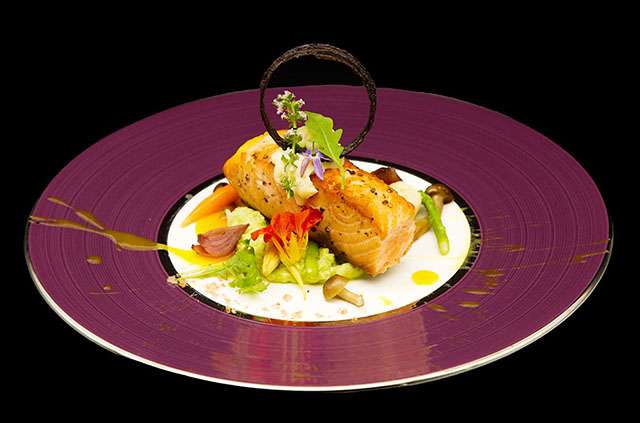
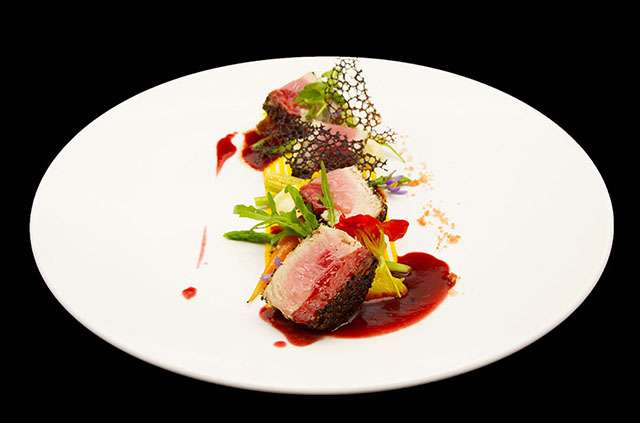
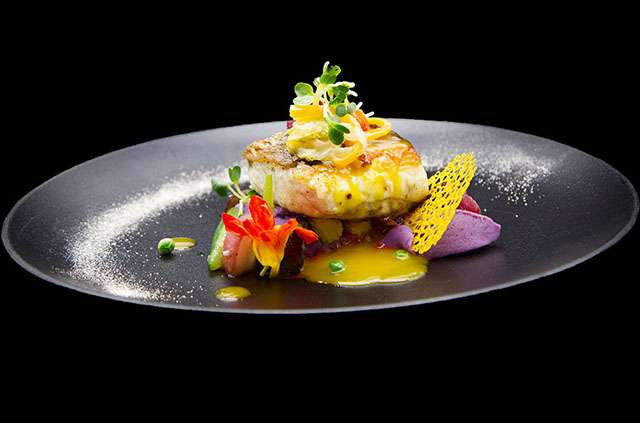
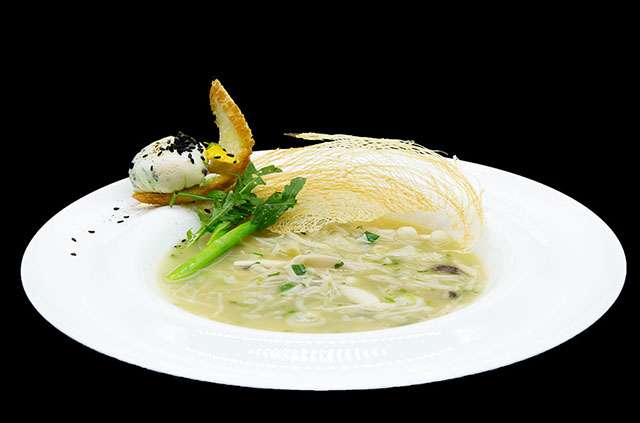
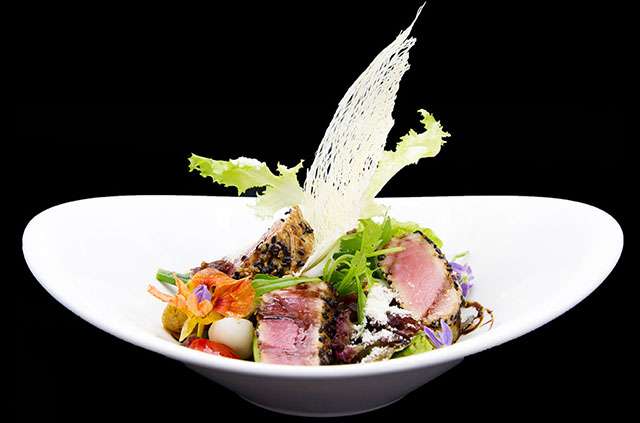
The restaurant’s chef-led menu reflects a Vietnamese and French fusion approach, so the broth is handled with care rather than used as a simple garnish. It supports dishes such as rice noodle beef rolls, seafood, tuna steak, mushroom soup and salads, while retaining enough character to stand alone.
That is why Duong Restaurant Saigon’s broth is worth sipping on its own: it gives diners a clear look at the kitchen’s technique. Before adding noodles, herbs or protein, you can notice the stock’s aroma, texture and finish in their purest form.
| What You Notice |
In The Broth |
Why It Matters |
| Aroma |
Herbs, spices and roasted savoury notes |
Builds anticipation before the first sip |
| Texture |
Clear, silky or gently rounded |
Shows how carefully the stock was prepared |
| Balance |
Salt, sweetness, acidity and umami |
Keeps the flavour lively rather than flat |
| Finish |
Lingering spice and fresh aromatics |
Encourages slower, more attentive tasting |
The Quiet Craft Behind A Clear Stock
A good Vietnamese broth begins with patience. Bones, vegetables, seafood or mushrooms release flavour gradually, while aromatics create the recognisable perfume associated with Vietnamese cuisine. The finished liquid should feel composed, with no single ingredient overpowering the rest.
At a restaurant such as Duong, this balance matters because the broth needs to complement several styles of food. A stock that is too salty can overwhelm delicate seafood, while one that is too mild disappears beside beef or fragrant herbs. The best version works as a foundation and a complete taste in its own right.
How To Taste The Layers
Start with a small sip before stirring in any extra herbs, chilli or citrus. Notice whether the first impression is savoury, sweet, peppery or floral, then pay attention to how the flavour develops across the palate. A clean finish is often a sign that the stock has been carefully skimmed and seasoned.
This slower approach also avoids the trap of judging broth by intensity alone. A powerful first hit is not always the mark of quality. Like a well-made French consommé or a thoughtful sauce, a refined Vietnamese stock can reveal itself gradually. It is a far cry from a short-lived food trend designed only to look dramatic on camera.
Herbs Give The Broth Its Vietnamese Identity
Fresh herbs are essential to the drinking experience. Coriander, commonly called cilantro in many Australian recipes, can add a green, citrusy note that lifts savoury stock. Thai basil, spring onion, mint and other aromatic leaves may bring sweetness, pepper or coolness depending on the dish.
Duong’s approach to herbs is explained in its guide to the role of cilantro. Understanding this ingredient helps diners recognise why a broth can taste fresh and rounded even when its main ingredients are slow-cooked and deeply savoury.
A Natural Fit For Australian Diners
Australian food culture already appreciates broths with personality, from Melbourne’s noodle bars and laneway eateries to Sydney’s seafood-focused restaurants. Diners are also comfortable asking about chilli levels, gluten-free options and fresh herbs, so a careful conversation with the Duong team can make the experience more personal.
The restaurant’s District 1 location suits travellers who have spent the afternoon around Ben Thanh Market, the Saigon River or the cafés of central Ho Chi Minh City. After the heat and traffic, a warm bowl or cup of broth can feel restorative without being too rich. It also fits the Australian preference for quality ingredients, attentive service and a meal that feels worth sitting down for.
For those who enjoy comparing culinary traditions, the gentle stock-making techniques can sit comfortably alongside the layered flavours found at Taverna Santi. The cuisines differ, yet both reward diners who pay attention to balance, aroma and the quality of the base.
Ways To Taste The Broth At Its Best
A few small choices can make the broth more expressive. Ask when it is served, take the first sip while it is hot but comfortable, and allow the aroma to rise before tasting. If a dish includes herbs or citrus, add them gradually so the original stock remains clear.
The following approach is especially useful for Australian visitors accustomed to sharing several plates and comparing flavours across a table:
- Taste the broth before adding chilli, lime or extra herbs.
- Pair it with a lighter dish such as seafood, salad or mushroom soup.
- Ask the service team which broth best suits your chosen main.
- Sip slowly between bites to notice the changing finish.
- Leave a little broth until the end rather than treating it as leftover liquid.
Turn A Sip Into Part Of The Evening
Broth is most memorable when it becomes part of the restaurant’s wider rhythm. Begin with a clear taste, follow it with a dish that uses the same savoury base, then compare how herbs, protein and texture alter the experience. This makes a simple stock feel like a guide to the chef’s flavour philosophy.
If you are planning a special evening in Ho Chi Minh City, check Duong’s restaurant events before booking. A chef-led meal, a welcoming dining room and a thoughtfully prepared broth can provide a calm contrast to the energy of Dong Du Street.
Reserve a table at Duong Restaurant Saigon and give the broth your full attention before reaching for the noodles, herbs or main course. That first sip may be the clearest way to taste the restaurant’s Vietnamese character.