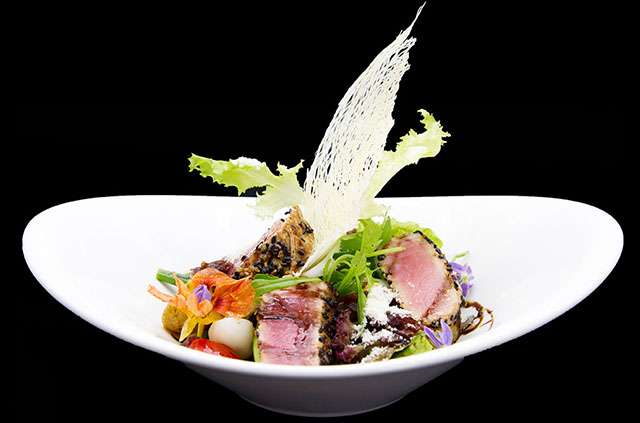
Why Tuna Steak At Duong Restaurant Saigon Loves A Citrus Twist
Tuna steak has a clean, meaty flavour that can carry bold seasoning without losing its character. At Duong Restaurant Saigon, the dish takes that natural richness in a brighter direction, using citrus to create contrast and keep each mouthful fresh. The result suits diners who enjoy Vietnamese-inspired food with the polish of French fine dining.
Located on Dong Du Street in District 1, the restaurant brings together a chef-led menu, attentive service and a relaxed setting. Guests exploring the wider menu can also browse the restaurant’s Saigon dining guide before making a reservation or planning an evening around the city’s food and attractions.
A Fresh Counterpoint To Rich Tuna
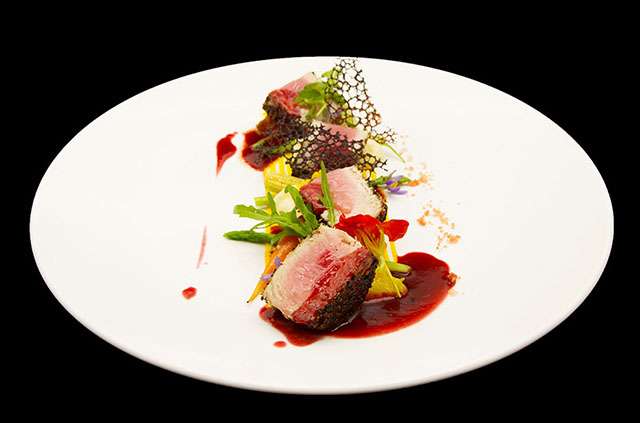
Tuna steak is leaner than many red-meat dishes, yet it still has a satisfying savoury depth. When seared properly, the outside develops gentle caramelisation while the centre remains tender. Citrus cuts through that richness with acidity, giving the dish a cleaner finish rather than overwhelming its main ingredient.
Lime, lemon, mandarin and pomelo each bring a different character. Lime gives a sharper Vietnamese edge, lemon feels classic and refined, while mandarin adds soft sweetness. Pomelo contributes a fragrant bitterness that works especially well with herbs, chilli and seafood.
For Australian diners used to grilled fish with lemon, this pairing feels familiar while offering more layers. It has the brightness found in a good Sydney seafood restaurant, though the Vietnamese influence brings extra fragrance and spice to the plate.
How Citrus Shapes The Whole Plate
A citrus element can appear as a dressing, a light sauce, a zest garnish or segments folded through a salad. Each form changes the experience. Juice creates acidity, zest adds perfume, and fruit segments provide small bursts of sweetness that balance seared tuna.
The best version keeps the citrus measured. Too much acid can flatten the tuna’s natural flavour and make the texture seem firmer. A well-balanced sauce may combine citrus with fish sauce, herbs, oil or a small amount of sweetness, creating a rounded profile rather than a one-dimensional sour note.
This balance reflects the restaurant’s Vietnamese and French fusion approach. French technique values precision and restraint, while Vietnamese cooking often builds flavour through herbs, acidity, umami and fresh garnishes. Tuna steak gives those ideas a clean, elegant canvas.
Technique Behind The Seared Finish
The cooking temperature matters. Tuna is at its best when the exterior is quickly seared and the centre stays moist, allowing the contrast between crust and interior to remain clear. A heavy sauce would hide that contrast, so a light citrus dressing is a natural choice.
Seasoning can also be layered before and after cooking. Salt brings out the tuna’s savoury notes, while pepper or chilli adds warmth. Citrus introduced at the end preserves its aromatic lift, which is particularly important when the dish arrives at the table warm.
The approach has something in common with Mediterranean seafood restaurants such as Taverna Santi, where freshness and clean seasoning allow quality ingredients to lead. Duong Restaurant Saigon takes that principle into a distinctly Vietnamese setting, with local herbs and Asian pantry flavours adding definition.
A Good Match For Australian Diners
Australian guests often look for seafood that feels fresh, balanced and easy to enjoy without excessive heaviness. This makes citrus tuna a strong choice for diners from Melbourne, Sydney, Brisbane or Perth, where grilled fish, sashimi and modern Asian menus are already familiar parts of the restaurant scene.
The dish also suits the way many Australians like to dine: sharing a few starters, ordering individual mains and leaving room for something sweet. A citrus-led tuna steak can sit comfortably beside salads, seafood dishes or rice noodle beef rolls, creating variety across the table.
For visitors staying in Ho Chi Minh City, Dong Du Street is convenient for combining dinner with a walk around District 1. The area is close to major hotels, shopping streets and attractions, so a reservation can fit neatly into an evening itinerary rather than requiring a long journey across the city.
Flavours That Complete The Meal
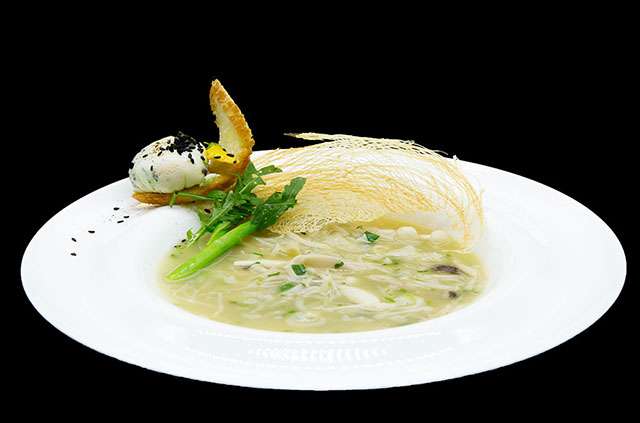
A crisp salad can extend the citrus theme without making the meal feel repetitive. Fresh herbs, cucumber or lightly dressed greens add texture, while a mushroom soup offers a warmer, earthier contrast. Seafood starters can continue the oceanic character of the menu before the tuna arrives.
Australian diners who enjoy a cold drink with seafood may find that a dry white wine, sparkling wine or citrus-forward cocktail works well. The key is to choose something refreshing rather than heavily oaked or intensely sweet, as strong flavours can compete with the delicate tuna.
Those planning their first visit may find the chef’s dining recommendations useful for understanding how signature dishes fit together. A good order gives the tuna room to stand out while adding contrasting textures and temperatures around it.
Plan A Relaxed District 1 Dinner
Fine dining in Ho Chi Minh City does not have to feel formal or stiff. Duong Restaurant Saigon’s cosy atmosphere makes it suitable for a special occasion, a business meal or a relaxed evening after sightseeing. The combination of thoughtful presentation and approachable service helps guests settle into the experience.
Booking ahead is sensible, especially for Friday and Saturday evenings or during busy travel periods. Australian visitors may be accustomed to reserving popular restaurants in advance, and the same habit is useful in District 1. It also gives the kitchen and front-of-house team a clearer opportunity to accommodate timing or dietary preferences.
Guests comparing international dining styles can appreciate how Vietnamese cuisine adapts across cultures. For example, browsing a Ukrainian food destination may highlight a very different relationship with hearty flavours, while Duong’s tuna demonstrates how freshness, acidity and restrained cooking can define a modern Southeast Asian plate.
A Simple Guide To Pairing The Tuna
| Element |
What It Adds |
Best Effect |
| Lime or lemon |
Bright acidity |
Keeps the tuna tasting fresh |
| Pomelo or mandarin |
Fragrance and gentle sweetness |
Softens savoury seasoning |
| Fresh herbs |
Lift and green aroma |
Connects the dish to Vietnamese flavours |
| Mushroom soup |
Earthy depth |
Creates contrast before or beside the tuna |
| Crisp white wine |
Clean, refreshing finish |
Supports the citrus without dominating |
- Reserve ahead for a weekend dinner in District 1.
- Pair the tuna with a fresh salad or a lighter seafood starter.
- Choose citrus-led sauces that support the fish rather than cover it.
- Try Vietnamese herbs and chilli for a more distinctive flavour profile.
- Leave room for a balanced dessert after the savoury courses.
A well-prepared tuna steak with citrus offers a precise meeting point between richness and freshness. At Duong Restaurant Saigon, that balance reflects the restaurant’s broader style: Vietnamese ingredients and flavour ideas shaped through careful technique and polished presentation. For Australian travellers seeking a memorable meal in Ho Chi Minh City, reserve a table on Dong Du Street and experience the pairing alongside the chef-led menu.