Why Hidden Spices Make Duong Restaurant Saigon’s Pho Broth Complex
Tucked along Dong Du Street in the heart of District 1, Duong Restaurant Saigon has built its reputation on bowls that arrive quietly steaming and unforgettably layered. Diners sit down expecting comfort and instead encounter a broth that changes as it cools, revealing star anise, charred onion, ginger warmth, and a fragrant hum that most recipes never quite explain. What makes the broth complex is not one spice but a sequence of them, many of which never appear on the menu or in conversation.
Across Australia, Vietnamese pho has become a daily ritual in suburbs from Richmond to Cabramatta, yet many bowls served in Sydney or Melbourne feel like a simpler cousin to what is simmered in Saigon. The depth travelers remember from a late-night bowl in Ho Chi Minh City often comes from spices that disappear during cooking yet shape every sip. That disappearing act, balanced with patience and restraint, is what diners eventually taste as complexity.
The Secret Behind Pho Broth's Complexity
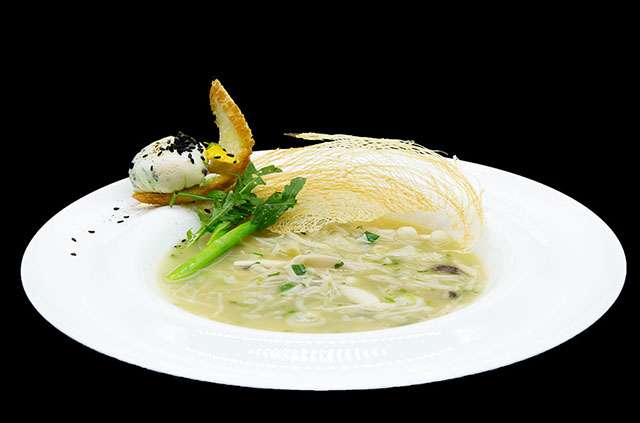
A bowl of pho begins with beef bones roasted until their edges turn gold, water drawn cold, and aromatics added in stages that would surprise anyone used to dump-everything-in cooking. Whole cloves, cassia bark, coriander seed, green cardamom pods, and star anise are toasted briefly, then either bundled in cheesecloth or floated loose. As the broth simmers for many hours, the spices surrender their oils without leaving gritty sediment behind. The chef's hand reaches into the pot to adjust the heat rather than reaching for additional seasoning.
Hidden spices do not mean secret ingredients. They mean ingredients whose effect lingers longer than their physical presence. Ginger and onion charred over an open flame deliver a smoky sweetness that simmers into the collagen of the bone, while rock sugar counters the bitterness of certain barks. Fish sauce and a final crack of sea salt arrive at the very end, when the broth is bright rather than heavy. The result is a stock that smells like a single ingredient and tastes like a dozen.
Spices Rooted in Vietnamese Heritage
The spice list is not random. It traces back to the trade routes that flowed through old Saigon, where Chinese, French, and Indian spice merchants crossed paths for centuries. Pho broth borrows star anise from the Chinese medicinal tradition, cassia bark from the French pot-au-feu, and coriander seed from the regional kitchens of the Mekong Delta. Each spice carries a colonial footnote that modern Vietnamese chefs have folded into a recognisably native flavor.
Sourcing matters too. A good bowl often begins long before the pot is lit, at markets where dried goods are sniffed, weighed, and inspected. Browsing through stalls at the Binh Tay Market gives travelers an honest look at the raw materials that shape Saigon-style broth, from mountain cassia bark to fresh green cardamom pods. The same care that a buyer shows at the market shows up later as fragrance in the bowl.
Why These Spices Stay Hidden Until Tasting
Hidden spices stay hidden for a reason. Floating them loose can turn a bowl cloudy and slightly bitter, which is why the careful kitchen strains the sachet and skims the surface throughout cooking. The flavours lift into the fat of the broth rather than resting in a piece of bark at the bottom of the bowl. When a diner lifts the spoon, none of those original pieces remain visible.
This technique forces the cook to taste often, building complexity through intuition rather than recipe. A broth simmered this way opens in waves: the first sip is salty and savory, the second carries clove and anise, and by the third spoonful the warmth of cinnamon settles into the back of the throat. By the time the rice noodles are gone, the drinker has tasted a slow arc of flavor that no single spice could provide.
The Slow Simmering Technique Australian Diners Love
Australians have long been comfortable with patient cooking. From lamb shoulder slow-roasted for a Sunday lunch in Brisbane to a long Sunday morning coffee in Fitzroy, the culture values time at the stove. Vietnamese broth fits that rhythm in an unexpected way, asking for a watch rather than a timer.
A proper pho broth simmers for eight to twelve hours, never boiling hard, always releasing a thin trail of steam. The kitchen at Duong Restaurant Saigon treats the pot like a quiet conversation, pulling out impurities, adjusting the lid, and tasting the body as it thickens. Travelers landing in Ho Chi Minh City after a thirty-hour flight from Perth often say the first bowl feels less like a meal and more like a soft landing.
Comparing Pho Broth Variants Australians Travel For
Not all pho broths aim for the same balance, and Australian diners who travel to Vietnam often notice the difference immediately. A quick comparison helps frame why the Saigon style at Duong Restaurant Saigon produces such a layered bowl, and why travellers from Brisbane or Adelaide keep chasing that flavour back home.
| Style |
Dominant Spices |
Body and Sweetness |
Best Eaten |
| Saigon-Style (District 1) |
Star anise, cassia, cardamom, charred ginger |
Lighter, sweeter, more herb-forward |
Lunch, late-night snacking |
| Northern-Style (Hanoi) |
Star anise, cassia, minimal clove |
Clearer, more restrained, peppery finish |
Breakfast, morning markets |
| French-Influenced Broth |
Cassia, clove, coriander seed |
Deeper, slightly wine-tinged, fuller |
Cooler evenings |
| Australian-Vietnamese Cafe Style |
Pre-made spice sachet, often bottled fish sauce |
Quick, consistent, gentler in spice |
Casual weekday lunch |
Each style reflects a different pace of cooking. The Saigon bowl rewards patients who let the broth cool slightly before adding Thai basil, sliced chili, and a squeeze of lime.
Pairing Broth With the Restaurant's Signature Dishes
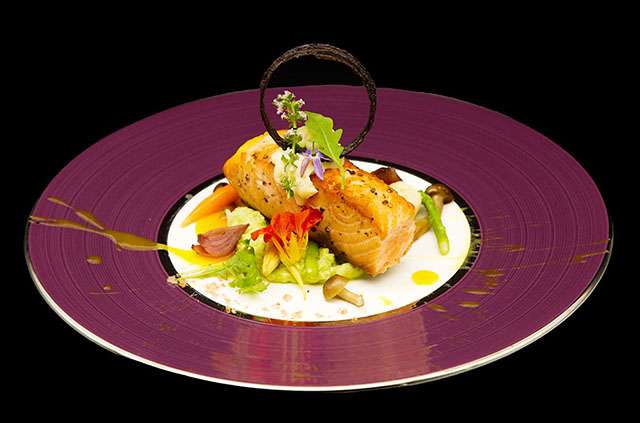
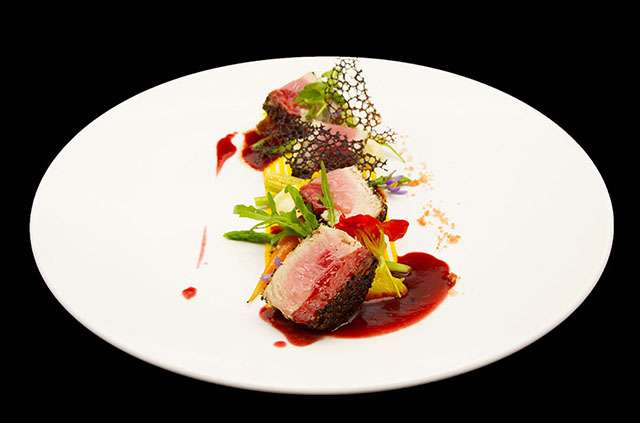
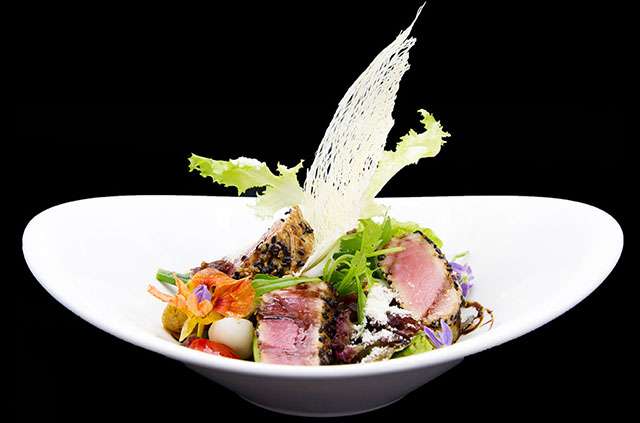
Complexity in a single bowl invites variety across the table. The chef-led menu at Duong Restaurant Saigon treats broth as a starting point rather than the whole story. Rice noodles dressed simply, seafood seared just past rare, and bright salads carry the broth's flavor forward without competing with it. A tuna steak finished with cracked pepper, for instance, tastes brighter after a few spoonfuls of broth.
For travelers who want to understand what a complete Saigon meal looks like, the rice noodle beef roll shows how a single dish can hold the same balance of hidden spice and clear technique. A dinner that begins with a bowl of broth and ends with that roll often tells the full Vietnamese story in two courses.
Reserve a table on Dong Du Street, ask for the broth of the day, and let the kitchen decide how much complexity to put in front of you. Each bowl at Duong Restaurant Saigon is finished by hand, and the spices that built its depth will never be named on the menu.