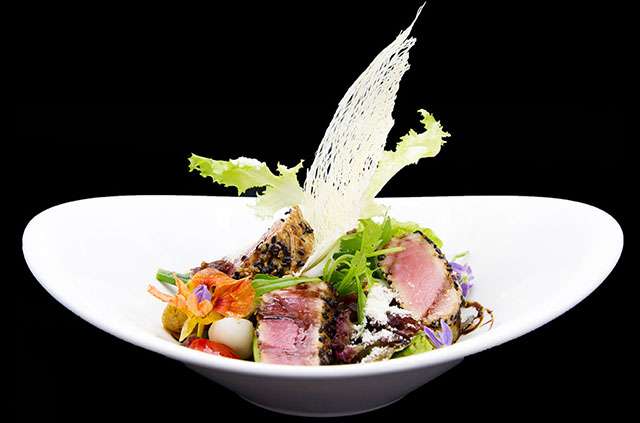
Why The Rice Noodle Beef Roll Is A Cultural Icon At Duong Restaurant Saigon
In Vietnamese cuisine, cultural meaning often appears in familiar ingredients rather than grand presentations. Rice, fresh herbs, noodles, beef, and dipping sauces belong to everyday food traditions, yet they can become something remarkable when a chef brings them together with precision. At Duong Restaurant Saigon, the rice noodle beef roll reflects that transformation.
The dish carries the spirit of Vietnamese street food while fitting naturally into a fine-dining setting on Dong Du Street in District 1. Its appeal lies in the balance between comfort and refinement: recognizable flavors are presented with care, creating a dish that feels local, elegant, and personal.
That balance also explains why the roll has become more than a menu item. It tells a story about Saigon’s food culture, where culinary traditions continually absorb new influences without losing their identity. Visitors can explore the restaurant’s chef-led approach through the Duong Restaurant Saigon dining experience.
A Dish With Vietnamese Roots
Rice noodles are among the defining ingredients of Vietnamese cooking. They appear in soups, salads, stir-fries, and rolls, carrying a soft texture that allows herbs, vegetables, meat, and sauces to stand out. Beef adds depth and richness, while fresh components bring brightness and contrast.
The roll format is equally significant. Vietnamese cuisine has a long tradition of wrapping ingredients in rice paper or arranging them in compact, balanced portions. This style encourages diners to experience several textures at once, from tender meat and supple noodles to crisp vegetables and fragrant herbs.
At Duong Restaurant Saigon, the rice noodle beef roll draws on these recognizable traditions while giving them a composed, restaurant-ready form. The result is approachable for guests discovering Vietnamese cuisine and meaningful for those who already understand its everyday appeal.
The Craft Behind Each Roll
A successful beef roll depends on proportion. Too much noodle can make it heavy, while too little filling may leave the bite lacking substance. The beef must remain tender and flavorful, and the accompanying herbs and vegetables need to provide freshness rather than simply decoration.
The wrapping also requires control. A delicate rice paper exterior should hold its shape without becoming tough or sticky. When prepared carefully, it creates a clean first bite and allows the filling to remain distinct. This attention to texture is one reason a seemingly simple roll can demonstrate serious culinary skill.
The accompanying sauce completes the experience. Vietnamese dipping sauces are often built around a meeting of salty, sweet, sour, and aromatic notes. That complexity gives the diner freedom to adjust each bite, making the meal interactive while preserving the chef’s intended balance.
Where French Technique Meets Local Flavor
Duong Restaurant Saigon’s identity is shaped by Vietnamese ingredients and French-inspired refinement. The rice noodle beef roll represents this relationship clearly. Its flavors remain rooted in Vietnam, but its presentation, pacing, and attention to detail reflect a more formal dining style.
French culinary influence can be seen in the emphasis on clean composition and carefully managed textures. Instead of overwhelming the plate, each element has a role. The beef provides savoriness, the noodles create substance, and herbs or vegetables lift the dish with color and freshness.
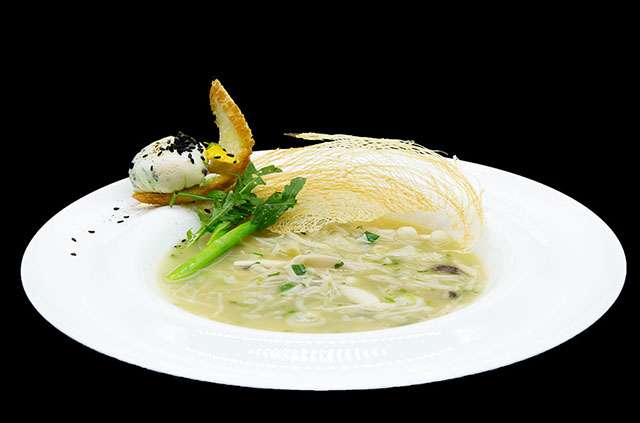
This fusion does not erase the dish’s origins. It gives a familiar Vietnamese idea another setting in which to speak. The same philosophy appears in the restaurant’s French-twist mushroom soup, where local dining sensibilities meet European culinary technique.
A Small Dish With A Large Story
The rice noodle beef roll can be read as a compact portrait of Saigon. It includes ingredients associated with home cooking and casual meals, yet it is served in an atmosphere designed for celebration, discovery, and attentive service. That contrast mirrors the city itself, where street-side food stalls, historic architecture, modern cafés, and elegant restaurants exist within the same energetic landscape.
Its cultural value also comes from accessibility. A traveler may recognize noodles and beef immediately, even if the balance of herbs, dipping sauce, and wrapping is new. A local diner may appreciate the memory of familiar flavors presented in a more polished form. The dish creates a meeting point between different dining experiences.
| Element |
Cultural Meaning |
Dining Experience |
| Rice noodles |
A staple of Vietnamese meals |
Soft, delicate texture |
| Beef |
A rich and satisfying protein |
Savory central flavor |
| Fresh herbs and vegetables |
Connection to gardens, markets, and daily cooking |
Brightness and contrast |
| Rice paper wrapping |
A traditional way to combine ingredients |
Neat, interactive bites |
| Dipping sauce |
Balance of sweet, sour, salty, and aromatic notes |
A customizable finish |
| Refined presentation |
Contemporary interpretation of local food |
Fine-dining elegance |
Why It Belongs On A Saigon Table
Saigon is known for culinary adaptability. Recipes travel across neighborhoods, generations, and social settings, changing subtly while retaining familiar foundations. The rice noodle beef roll belongs to that living tradition because it can be casual or sophisticated without feeling out of place.
At a restaurant in District 1, the dish also offers a useful introduction to Vietnamese flavor structure. Rather than relying on one dominant taste, it encourages attention to balance. Rich beef is softened by herbs, noodles create a gentle base, and sauce adds intensity in measured amounts.
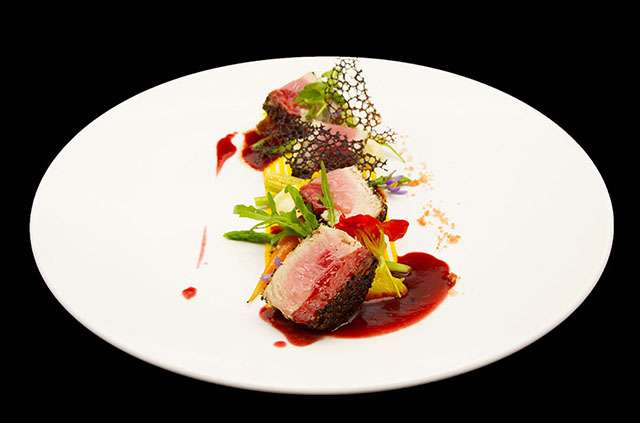
That makes the roll especially suitable for a shared meal or a thoughtful first course. It opens the palate without overwhelming it and prepares diners for other Vietnamese-inspired dishes, including seafood, salads, tuna steak, and seasonal creations shaped by the chef.
How To Appreciate The Experience
The best way to enjoy the dish is to treat it as a sequence of textures and aromas rather than a single mouthful. Notice how the wrapper gives way to the noodles, how the beef adds warmth, and how herbs keep the finish fresh.
A few simple habits can make the cultural character of the dish even clearer:
- Taste one bite before adding extra sauce to understand the chef’s original balance.
- Combine the beef, noodles, herbs, and wrapper in the same bite for the full textural contrast.
- Pay attention to the aroma of fresh herbs, which is central to the dish’s Vietnamese identity.
- Pair the roll with other menu items to compare lighter, richer, and more French-influenced flavors.
- Allow time for the restaurant’s calm setting and attentive service to become part of the meal.
The dish is memorable because it feels both familiar and newly interpreted. It respects the ingredients that define Vietnamese cuisine while presenting them with the polish expected from a fine-dining restaurant.
Reserve a table at Duong Restaurant Saigon on your next visit to Ho Chi Minh City and experience how a rice noodle beef roll can connect street-food traditions, chef-led creativity, and the distinctive dining culture of Saigon.