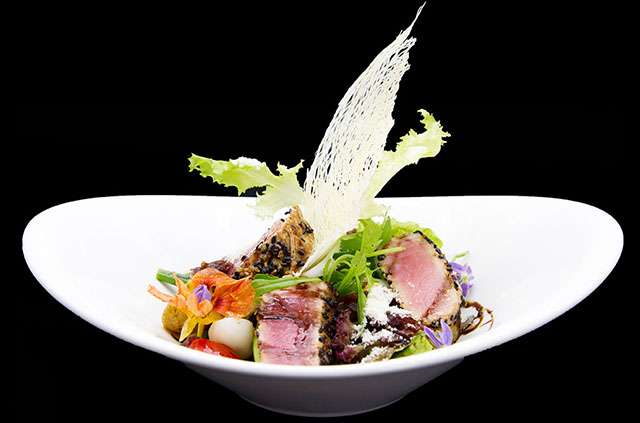
Why Red Wine Gives Rice Noodle Beef Rolls Their Depth
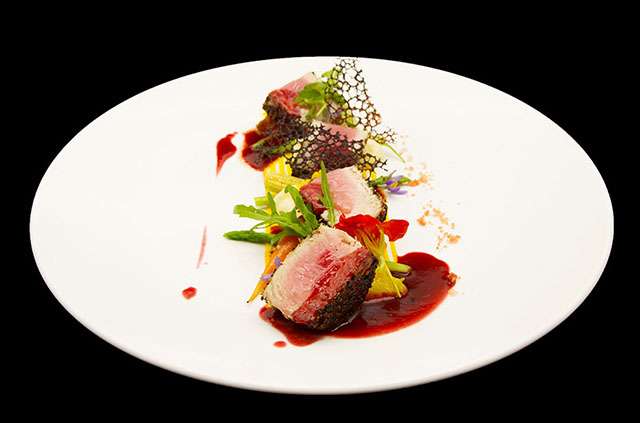
Rice noodle beef rolls may look delicate, yet their flavour depends on careful preparation. At Duong Restaurant Saigon, beef is marinated with red wine before it is wrapped with soft rice noodles and complementary ingredients. The wine brings savoury depth, gentle acidity, and a richer aroma without turning the dish into something heavy. Learn more about Exploring The Sunset Views From Duong Restaurant Saigon S Dining Area.
This approach reflects the restaurant’s Vietnamese and French fusion style. Vietnamese cooking contributes fresh herbs, balanced seasoning, and a strong sense of texture, while French technique appears in the use of wine, reduction, and restrained marination. The result is a dish that feels familiar and distinctive at the same time.
For Australian diners, the flavour may recall the balance found in modern restaurants around Melbourne’s laneways or Sydney’s small dining rooms: recognisable ingredients handled with a little extra precision. It is refined without being fussy, which suits diners who appreciate quality food but still want a relaxed evening.
The red wine is also practical. Its acidity helps season the beef, soften its texture, and carry the taste of herbs through each bite. Rather than acting as a loud flavour, it supports the meat and makes the rice noodle wrapper taste more rounded.
The Role of Red Wine in the Marinade
Red wine contains natural acidity and aromatic compounds that work well with beef. During marination, these elements move into the outer layer of the meat, helping it taste seasoned rather than simply coated in sauce. The wine can also soften the sharper edges of beef’s savoury character.
A suitable red wine brings notes of dark fruit, spice, and light tannin. These flavours complement beef particularly well, especially when the marinade includes garlic, shallot, pepper, herbs, or a touch of sweetness. The choice is less about using an expensive bottle and more about selecting a wine with enough character to remain noticeable after cooking.
How Acidity Shapes the Beef
Acid is important because it changes the way the beef tastes and feels. It brightens the marinade, balances the meat’s richness, and prevents the rice noodle rolls from seeming flat. This matters in a small appetiser, where every ingredient needs to contribute clearly.
The marinating time also needs control. Too little time may leave the seasoning on the surface, while too much acid can make the exterior soft or slightly pasty. A chef-led kitchen can adjust the balance according to the cut, thickness, and cooking method, preserving a tender bite rather than masking the meat.
Vietnamese Technique with French Influence
The dish shows how French culinary ideas can be adapted to Vietnamese ingredients. Wine-based marinades, aromatic sauces, and careful reductions are associated with French cooking, while rice noodles, herbs, and fresh vegetables give the roll its Vietnamese identity. Neither tradition overwhelms the other.
That same dialogue appears in Duong’s other dishes. Its interpretation of French comfort food can be explored through this guide to French onion soup, where a familiar European dish is considered through the restaurant’s broader Saigon perspective.
The beef roll benefits from this balance. The marinade creates depth, but the final dish remains fresh and light enough for a warm Ho Chi Minh City evening. It is a thoughtful example of fusion that begins with flavour logic rather than novelty.
Comparing Marinades and Their Results
Different marinades would produce very different results in a rice noodle roll. A soy-based version would add salt and umami, while lemongrass would create a sharper herbal profile. Red wine sits between those approaches, providing richness, acidity, and a subtle fruit character.
| Marinade style |
Main flavour |
Effect on beef |
Best overall impression |
| Red wine and aromatics |
Fruity, savoury, gently acidic |
Tender and rounded |
Elegant depth |
| Soy and garlic |
Salty, umami-rich |
Firm, strongly seasoned |
Bold and familiar |
| Lemongrass and citrus |
Fresh, herbal, bright |
Lightly scented |
Crisp and refreshing |
| Coconut and spice |
Creamy, sweet, aromatic |
Soft and rich |
Warm and generous |
The red wine option is especially effective when the dish includes fresh greens or a clean dipping sauce. The marinade supplies a darker note, while the other components keep the overall flavour lifted. This contrast is one reason the rolls can work as part of a larger fine-dining menu.
What Australian Diners May Notice
Australian diners are used to seeing regional produce and international techniques share the same menu. A customer from Brisbane, Perth, or Adelaide may recognise the appeal of a dish that is polished but not overloaded with garnish. The beef rolls offer that kind of clarity: one central ingredient, one considered marinade, and a wrapper that keeps the presentation light.
Wine also has a familiar place in Australian dining culture. Guests may think of a Barossa Shiraz, a Yarra Valley red, or a good house pour when they hear that beef has been marinated with red wine. In this dish, however, the wine is a cooking ingredient rather than a pairing competition. Its purpose is to season and shape the beef.
For travellers who regularly move between Southeast Asian cities, the comparison can be useful. A meal at Duong can be considered alongside the lively dining scene at Los Jefes Bali, while still retaining its own Saigon identity and French-Vietnamese character.
Texture, Aroma, and the First Bite
The first impression usually comes from aroma. Red wine gives the beef a deep, lightly spiced scent that contrasts with the clean fragrance of rice noodles and herbs. As the roll is cut or bitten, that aroma opens up rather than staying confined to the marinade.
Texture is just as important. The rice noodle wrapper should be soft and supple, while the beef should remain tender enough to chew easily. Fresh vegetables or herbs add crispness, creating a layered mouthfeel that keeps the dish lively from beginning to end.
The setting can heighten those details. Duong’s dining area offers a calm place to take in the food slowly, and its sunset dining views can add a natural rhythm to an early evening meal. For Australian visitors, it is a welcome change from rushing through dinner after a day of sightseeing.
Planning a Comfortable Dinner at Duong
The rice noodle beef rolls are best enjoyed as part of a shared meal rather than in isolation. Ordering them with seafood, a salad, or a soup creates contrasts between fresh, light, savoury, and comforting flavours. The red wine marinade becomes one part of a wider progression across the table.
Australians often value a clear booking process, sensible pacing, and room to settle in, whether dining before a show in Melbourne or meeting friends for an early dinner in Sydney. At Duong, selecting the right seat can shape the occasion, so this guide to choosing your table is useful when planning a special visit.
Before booking, keep these practical points in mind:
- Reserve ahead for dinner, particularly during weekends and holiday periods.
- Allow time to explore several Vietnamese-inspired dishes.
- Mention dietary needs clearly when making a reservation.
- Consider an early sitting for a quieter atmosphere.
- Choose a table that suits conversation and the evening view.
At the table, a balanced order may include:
- Rice noodle beef rolls for a savoury opening.
- A seafood dish for a fresher contrast.
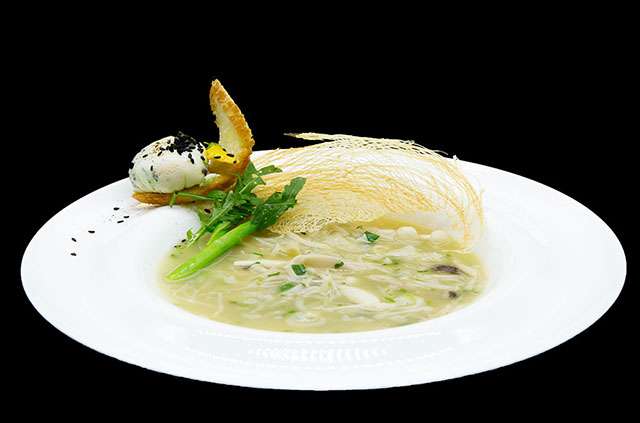
- Mushroom soup for warmth and earthiness.
- A crisp salad with herbs and vegetables.
- A carefully chosen wine or non-alcoholic pairing.
Red wine works in the marinade because it gives the beef structure without stealing attention from the noodles, herbs, and fresh accompaniments. That balance captures the character of Duong Restaurant Saigon: Vietnamese ingredients, French-inspired technique, and a dining experience designed around detail. Reserve a table on Dong Du Street and experience how a familiar glass of red wine can become the foundation of a refined Saigon dish.