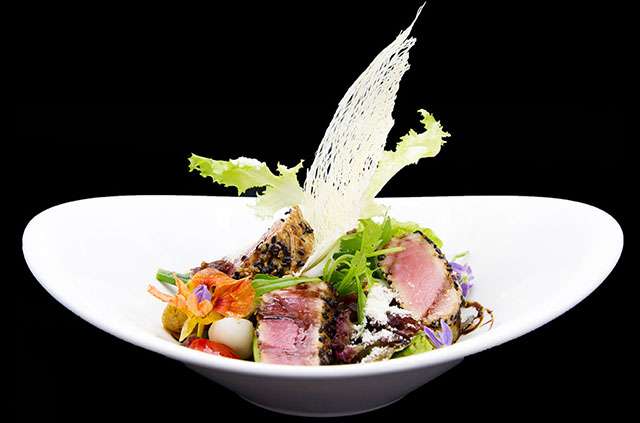
Why Duong Restaurant Saigon Serves Sustainably Sourced Tuna
Tuna can be an exceptional fine-dining ingredient, with a clean flavour, firm texture and natural richness that suits both Vietnamese cooking and French culinary technique. At Duong Restaurant Saigon on Dong Du Street, District 1, the way tuna is sourced matters as much as the way it is prepared.
For Australian diners visiting Ho Chi Minh City from Sydney, Melbourne, Brisbane or Perth, responsible seafood is increasingly part of the dining decision. Sustainable fisheries help protect marine ecosystems, support fishing communities and maintain a reliable supply of high-quality fish for future generations.
Responsible sourcing begins at sea
The tuna at Duong Restaurant Saigon is sourced from sustainable fisheries because seafood quality depends on healthy oceans. Responsible fisheries manage catch levels, protect breeding populations and reduce unnecessary damage to other marine life. These principles help ensure that tuna remains available without placing excessive pressure on the wider ecosystem.
Sustainability can involve several factors rather than one simple label. Fishing method, vessel practices, stock health, seasonal availability and the fishery’s ability to document its catch all contribute to a responsible supply chain. This broader approach is especially relevant for premium restaurants that want to offer seafood with confidence and consistency.
Traceability supports better seafood choices
Traceability means being able to follow tuna from the fishing grounds through landing, processing, transport and delivery. A clear chain of custody gives chefs greater visibility over the fish they purchase and helps reduce the risk of illegally caught or poorly handled seafood entering the market.
For Duong’s kitchen, this also supports careful menu planning. Tuna can be selected according to availability, freshness and responsible supply rather than treated as an unlimited commodity. When chefs work with dependable suppliers, they can make informed decisions about portions, preparation and storage while preserving the ingredient’s quality.
This is similar to the attention many Australian diners give to provenance when buying seafood at the Sydney Fish Market or selecting local produce at a Melbourne farmers’ market. Knowing where food comes from creates a stronger connection between the plate, the producer and the natural environment.
Fishing methods influence marine health
Different fishing methods create different environmental effects. Some approaches can produce unwanted bycatch, damage seabed habitats or place too much pressure on juvenile fish. More carefully managed methods aim to reduce these impacts while allowing fishing communities to earn a sustainable living.
The comparison below shows why responsible sourcing involves several connected considerations:
| Consideration |
Responsible approach |
Benefit for diners and oceans |
| Stock management |
Catch limits based on scientific advice |
Helps tuna populations recover and remain stable |
| Bycatch control |
Gear and practices designed to avoid non-target species |
Protects turtles, seabirds, sharks and other marine life |
| Traceability |
Documented movement from vessel to restaurant |
Improves confidence in origin and legality |
| Seasonal purchasing |
Menus respond to availability and supply conditions |
Reduces pressure on scarce stocks |
| Handling standards |
Fast chilling and careful transport |
Preserves texture, flavour and food safety |
Sustainable fisheries therefore support both environmental responsibility and culinary performance. Tuna that is landed, chilled and transported correctly retains a firm texture and clean taste, giving the chef a dependable ingredient for a refined dish.
Sustainability strengthens the dining experience
A responsible tuna programme is also connected to reducing waste. Premium fish should be handled with precision, portioned thoughtfully and used in ways that respect the value of the whole ingredient. This can mean creating balanced servings, planning complementary garnishes and avoiding excessive preparation that hides the tuna’s natural character.
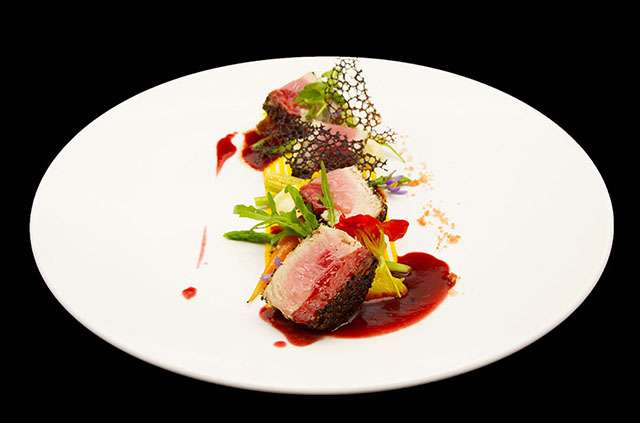
Duong Restaurant Saigon’s Vietnamese and French fusion style makes this especially interesting. French techniques may bring precision and structure, while Vietnamese flavours can add herbs, acidity, freshness and aromatic depth. The result allows sustainable tuna to remain the centre of the dish without losing its connection to the region.
The same chef-led approach can be seen in the restaurant’s treatment of other ingredients. This duck confit guide demonstrates how a familiar French preparation can be interpreted through a contemporary Vietnamese dining perspective.
A familiar concern for Australian travellers
Australian diners are accustomed to discussing seafood sustainability. Organisations such as GoodFish and the Marine Stewardship Council have helped make questions about species, fishing methods and certification more common in Australia. Responsible seafood is also increasingly visible in restaurant menus in Sydney, Melbourne and Adelaide.
That awareness travels well when visiting Vietnam. A guest from Australia may be comfortable asking whether a fish is seasonal, where it was caught or how it was handled. At Duong, these questions fit naturally into a chef-led fine-dining experience, where the ingredient’s origin and preparation are part of the story.
The setting matters as well. After navigating Ho Chi Minh City traffic, exploring Ben Thanh Market or visiting the Saigon Central Post Office, diners often want a restaurant that feels polished without becoming cold or formal. Duong’s home-like atmosphere gives the meal a relaxed setting in which careful sourcing can be appreciated without ceremony.
What to look for when ordering tuna
Sustainable sourcing is most meaningful when it is supported by sensible choices at the table. Diners can enjoy tuna while showing respect for the work behind the ingredient and the marine environment that produces it.
- Ask about the tuna’s origin and the fishing method used.
- Choose a portion that suits your appetite to help reduce food waste.
- Notice the texture, colour and aroma, which can indicate careful handling.
- Allow the chef’s seasonal menu to guide your choice when availability changes.
- Pair tuna with fresh, balanced flavours that complement rather than overpower it.
At Duong Restaurant Saigon, sustainable tuna reflects a wider commitment to thoughtful hospitality: responsible ingredients, careful technique and a dining experience shaped by Vietnamese character. Reserve a table on Dong Du Street to experience how traceable seafood and French-Vietnamese creativity come together in the heart of Ho Chi Minh City.