Fresh tuna in Ho Chi Minh City’s wet markets
Fresh tuna shopping in Ho Chi Minh City is less about finding one perfect stall and more about learning the rhythm of the city’s food trade. Fish reaches the city through ports, markets, icehouses and distributors, so “fresh” may mean recently landed, chilled, frozen or carefully thawed.
For Australian visitors used to the polished counters of Sydney’s Fish Market or Melbourne’s Queen Victoria Market, a wet market can look gloriously chaotic. The useful comparison is dialogue rather than presentation: ask how the fish was handled and buy only what the vendor can explain.
The best buying window is early, before heat builds and the choosiest cuts disappear. Choose a market according to your meal plan, and keep the trip focused on quality rather than the largest possible catch.
Markets to know
At central Bến Thành, seafood traders serve both residents and visitors, but the scene is busiest and most practical early. A stall may offer whole fish, skin-on portions or fillets, and tuna selection changes with the day’s supply. Central prices suit a quick purchase; specialists often provide better quality and more precise cutting.
For broader choice, head early to the wholesale areas around Chợ Lớn, including An Đông and Tân Đông Chánh. Neighbourhood markets such as Bà Chiểu and Hàng Xén can also reward a patient look, although premium yellowfin is less consistent. Ask a trusted restaurant where it buys if you need a specialist supplier.
Prices are normally quoted per kilogram, so confirm whether scaling, cutting and vacuum-packing are included. Sauce matters as much as freshness at the table: Duong Restaurant Saigon’s fish sauce guide shows how this salty, umami-rich staple bridges Vietnamese and French cooking.
Freshness cues and questions
Start with a short visual and scent inspection before discussing price.
- Firm flesh that springs back when pressed, with a smooth cut and tight fibres.
- Clear, bright eyes and clean, reddish gills; reject cloudiness or a dull brown appearance.
- Ruby-pink flesh with a clean marine scent, never sour, slimy or strongly ammonia-like.
- Fish kept on a clean, cold surface and surrounded by enough ice to maintain its chill.
Before paying, establish exactly what the stall is selling:
- Where it was caught, and confirmation of the species.
- Whether it was landed fresh, frozen at sea, or thawed after storage.
- How long it has been chilled and whether it can stay cold until cooking.
- Whether the quoted price includes scaling, cutting, skin removal and vacuum-packing.
A correctly frozen tuna can have excellent texture, so freezing is not automatically a negative. Smell and temperature control are more informative than whether the flesh has been through a freezer.
Tuna varieties and Vietnamese flavours
Vietnamese markets use “cá ngừ” broadly for tuna, and local names can blur distinctions between yellowfin, bigeye and skipjack. Skipjack is common and comparatively firm, while larger yellowfin may arrive chilled or frozen from regional ports and importers. If species matters, ask for a photo and the source rather than relying on the label alone.
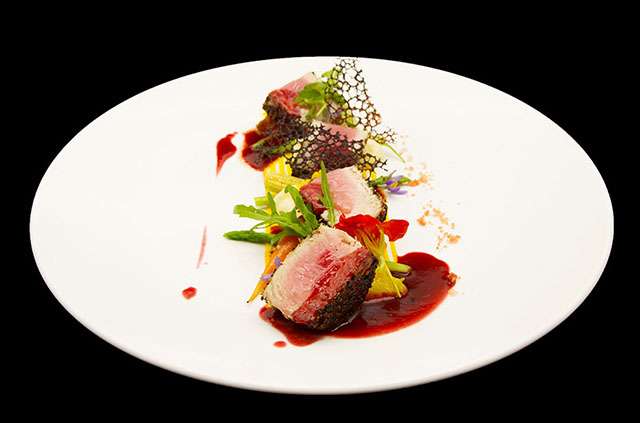
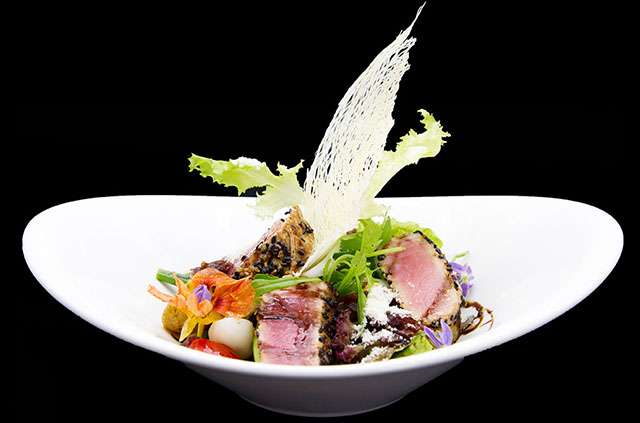
Tuna may be sliced for sashimi, seared for tataki, grilled with lemon and herbs, or cooked as a thick steak. Vietnamese kitchens often balance its richness with lime, chilli and fish sauce. The careful pacing described in a New York restaurant’s after-work dinner offers a useful reference for presenting tuna in a concise Japanese-style meal.
Lessons from Australian seafood markets
Sydney’s Fish Market at Pyrmont and seafood counters around Melbourne’s Queen Victoria Market have trained many Australians to ask about origin, cut and intended use. At those counters, “sashimi-grade” and sustainability claims can prompt useful questions, but neither replaces information about freezing, handling and storage.
Australian fishmongers are accustomed to custom requests such as skin-on portions, steaks or boneless sections. Mirroring that conversation in Ho Chi Minh City helps: specify the dish, the number of guests and whether you intend to cook the fish immediately. Clear requests produce cleaner advice and less waste.
Many Australian diners reach for lemon when eating tuna, while Vietnamese fish sauce brings salt, acidity and umami to the same plate. Treat the difference as a flavour choice, not a test of authenticity; either pairing works when the fish itself is sound.
Safe handling from market to plate
Raw tuna from a market stall should not automatically become a raw tuna dish at home. Parasite-control freezing and uninterrupted chilling are essential, while histamine can form if scombroid fish such as tuna warms excessively. Lime, salt and chilli marinades do not remove those risks.
Keep the fish cold from stall to kitchen, use an insulated bag, and refrigerate it immediately. For home cooking, follow Food Standards Australia New Zealand guidance and cook fish to at least 63°C in its thickest part. Cold-chain discipline travels across cuisines, as the seafood-focused Frenski Pai seafood post reinforces.
Travellers flying to Australia should check the current BICON conditions before buying tuna to take home. Fresh, chilled and frozen seafood may require a permit or be prohibited, and all food must be declared. Leave the catch in Vietnam unless the rules clearly permit it.
Turning market tuna into a restaurant meal
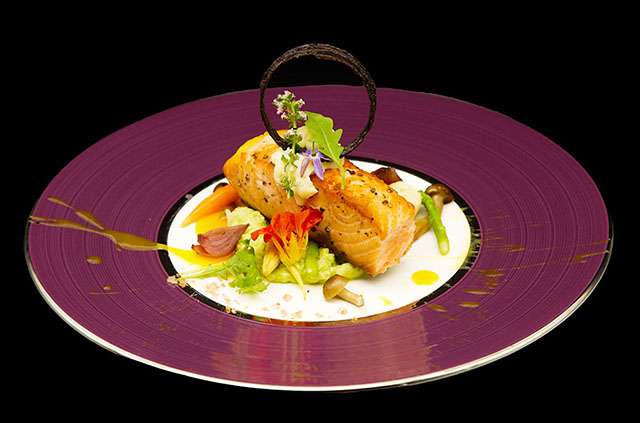
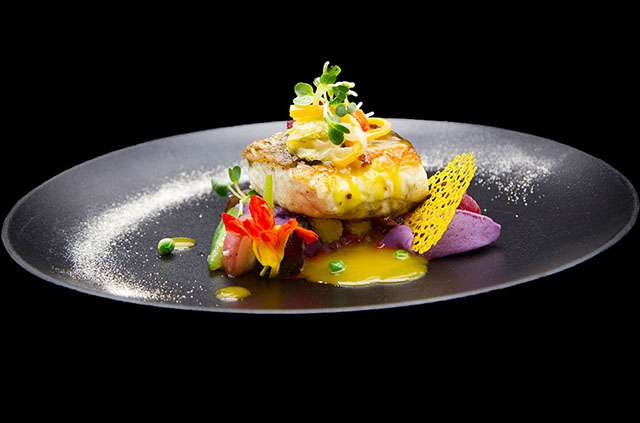
At Duong Restaurant Saigon, the chef-led approach is a useful bridge from market browsing to dinner. The kitchen’s tuna steak and other seafood dishes can be appreciated without the pressure to perform a risky home butchery, while the warm, cosy room in District 1 makes a natural finale to a market morning.
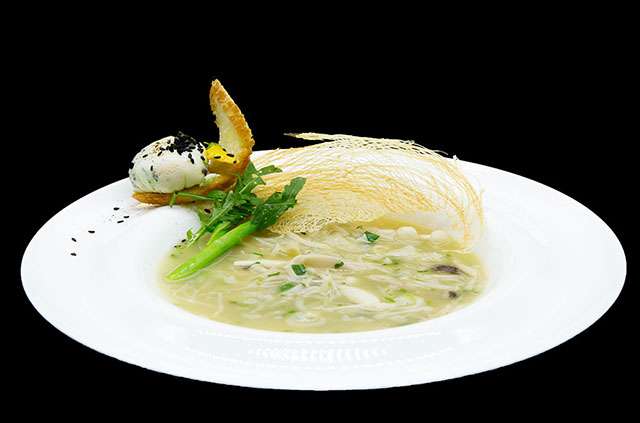
That fusion outlook appears in the kitchen’s interpretation of classic French onion soup, where a French foundation is adjusted with Vietnamese ingredients and techniques. The same care suits tuna: respect the fish, balance the seasoning and let the produce and method remain clear.
Plan a tuna dinner on Đông Du Street
Make the market visit early, finish with lunch nearby, and save dinner for Đông Du Street in District 1. Check the restaurant’s current menu, photographs and reservation details before heading out, since tuna availability can change with the catch and the chef’s plans.
Reserve a table, arrive ready to explore the seafood menu, and let the restaurant turn a morning of Vietnamese market discovery into a polished fine-dining experience.