A Morning Market Trail Through Saigon
Duong Restaurant Saigon’s guide to Saigon’s morning market tours begins before the city reaches full volume. At first light, District 1 fills with scooters, steaming pots, herb sellers and families picking up breakfast. A market walk offers a close look at the ingredients, routines and regional flavours that shape Vietnamese cooking.
For Australian visitors, the rhythm may feel familiar in spirit but different in pace. Like getting to Queen Victoria Market before the crowds or making an early weekend run for fresh produce, the best experience comes with an early start. In Ho Chi Minh City, however, “early” often means shortly after sunrise, when the air is cooler and vendors are at their busiest.
| Market experience |
Best time |
What you may find |
Ideal for |
| Ben Thanh Market |
6:00–8:30 am |
Fruit, herbs, cooked breakfasts and souvenirs |
First-time visitors |
| Tan Dinh Market |
6:00–9:00 am |
Local produce, noodles and everyday shopping |
Food-focused travellers |
| Binh Tay Market |
6:00–9:00 am |
Wholesale goods, dried foods and Chinatown flavours |
Curious explorers |
| Neighbourhood street market |
5:30–8:00 am |
Fresh vegetables, bánh mì and coffee stalls |
A quieter local view |
Why Morning Markets Matter
Morning markets are part of the city’s daily food system rather than staged attractions. Vendors arrange bunches of water spinach, morning glory, Vietnamese mint and fragrant herbs while restaurant cooks select seafood, meat and vegetables for the day ahead. The energy is practical, social and wonderfully direct.
A guided walk also helps visitors understand how small details become polished dishes. A handful of herbs can transform noodle soup, while a particular chilli or citrus fruit may balance grilled seafood. These encounters make a later meal at Duong Restaurant Saigon feel more connected to the streets outside.
Choosing Your Market
Ben Thanh Market is convenient for visitors staying around District 1 and works well for a first market tour. Its central position makes it easy to combine with a walk along Dong Khoi Street, the Saigon River or nearby colonial landmarks. Go early for the food stalls, before the retail areas become busy and warm.
Tan Dinh Market offers a more everyday atmosphere, with local shoppers choosing produce, poultry, seafood and ready-to-eat dishes. Binh Tay Market, in District 6, gives a different perspective through its wholesale trade and strong Chinatown character. Travel time is longer, but the rewards include dried goods, Chinese-Vietnamese cooking influences and a broader view of the city’s food culture.
Planning The Early Start
Aim to leave your hotel between 5:45 and 6:30 am. The first hours are cooler, the produce is freshest and vendors are less hurried. Ride-hailing cars are convenient, while a private car or guide can make it easier to move between markets without negotiating every journey.
Wear breathable clothes and comfortable shoes, and carry small Vietnamese notes for quick purchases. Australian travellers used to tapping a card for everything should expect that many market stalls still prefer cash. A small bag, hand sanitiser and a refillable water bottle are useful, while sunscreen matters even on a cloudy morning.
What To Eat Along The Way
A market breakfast might include phở, bún bò Huế, cơm tấm, bánh cuốn or a crisp bánh mì filled to order. Look for stalls with a steady flow of local customers and food that is cooked in front of you. Pointing, smiling and using a few simple words such as “cảm ơn” can make the exchange friendly and easy.
Vietnamese coffee is another essential stop. Strong coffee with condensed milk is sweet and intense, while bạc xỉu contains more milk and a gentler coffee flavour. Australians accustomed to a flat white may find the style much bolder, so a small glass is a sensible way to start before a full day of walking.
Understanding Ingredients And Flavours
Market produce reveals the balance at the heart of Vietnamese cuisine: salty, sweet, sour, spicy and aromatic elements working together. Taste a wedge of green mango with chilli salt, compare fresh and dried seafood, or notice how different herbs change the character of a noodle dish.
Seafood lovers can pay attention to shellfish, river fish and prawns displayed over ice. Beef, chicken and pork are often paired with pickles, herbs and dipping sauces rather than served as isolated ingredients. This approach helps explain why Vietnamese-inspired dishes can feel bright and layered without being heavy.
Visitors with dietary requirements should communicate clearly and confirm sauces, stocks and marinades. Duong Restaurant Saigon’s gluten-free dishes provide a useful reference for travellers who want to explore Vietnamese-French fusion while keeping ingredient choices in mind.
Market Etiquette And Photography
Markets are workplaces first, so ask before photographing a vendor, a person or a close-up display. Keep your phone and wallet secure in crowded aisles, and avoid blocking a stall while deciding what to buy. A small purchase is a thoughtful way to show appreciation when someone has allowed a photograph.
Negotiation is common in tourist-oriented areas, particularly for souvenirs, but it is less appropriate for ordinary prepared food and everyday produce. Keep the tone light and respectful. If a price is unclear, use a calculator or ask your guide to help rather than treating the exchange as a contest.
Turning A Market Visit Into A Meal
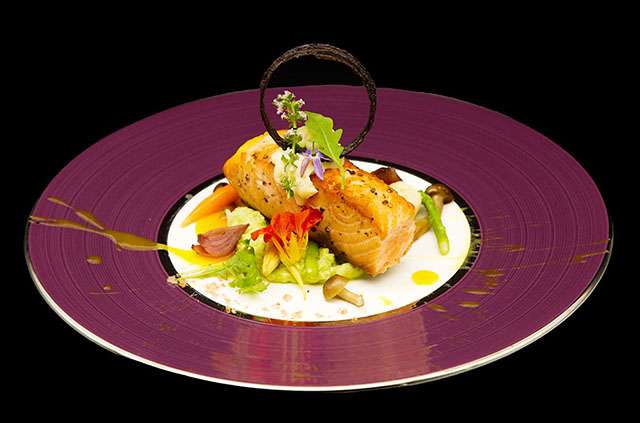
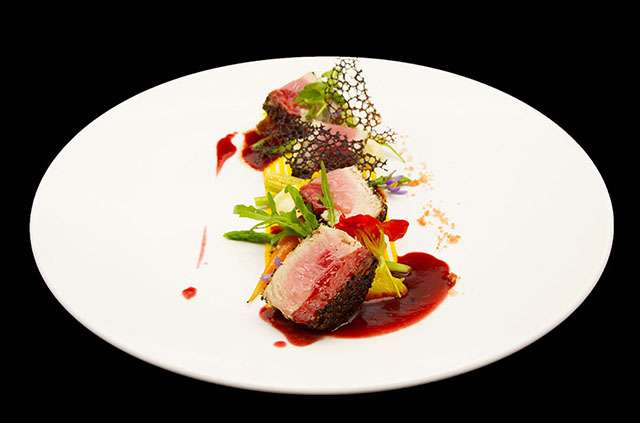
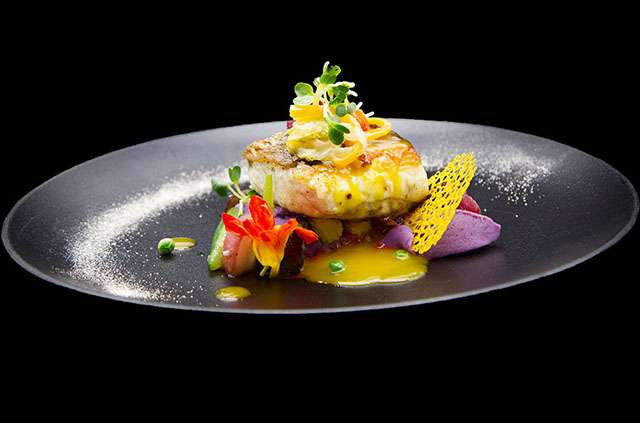
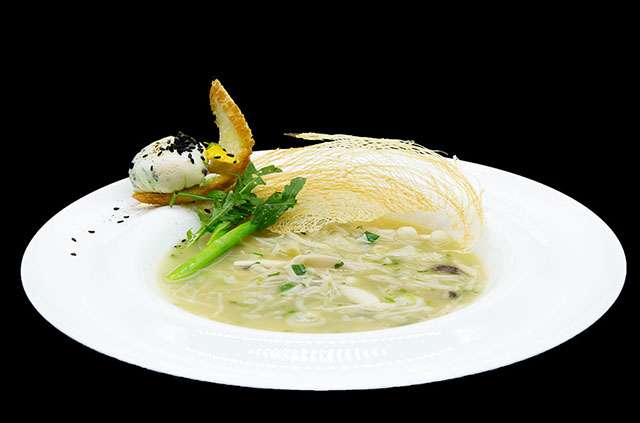
A morning tour is best followed by time to rest, shower and reflect on the flavours you encountered. Later, a refined meal can show how familiar market ingredients are reworked through technique, presentation and French culinary influence. The connection is especially clear with herbs, seafood, mushrooms, rice and fresh vegetables.
Wine can also create an interesting bridge between local produce and French dining traditions. Duong Restaurant Saigon’s guide to French wine pairings explores how acidity, texture and sweetness can complement Vietnamese flavours without overwhelming them.
A market walk may also fit naturally into a wider District 1 itinerary, with museums, riverfront views and cafés nearby. Check the restaurant’s upcoming events before travelling if you would like to pair your food-focused morning with a special dining experience.
Start early, keep your plans flexible and let the market set the pace. After the final coffee or bowl of noodles, make your way to Duong Restaurant Saigon for a chef-led meal inspired by the same vibrant ingredients you have just seen in their freshest setting.