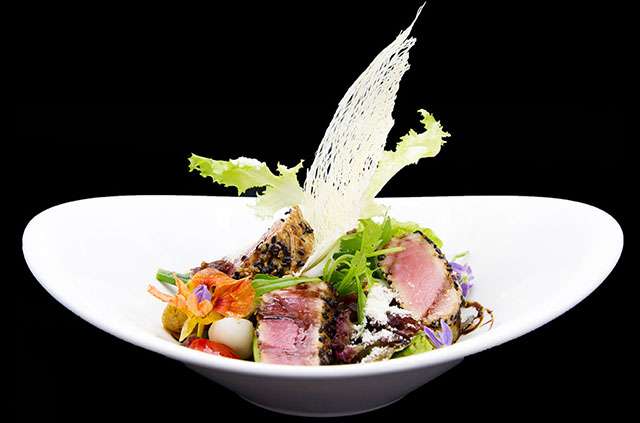
Duong Restaurant Saigon’s Seafood Bisque: A Fusion Delight
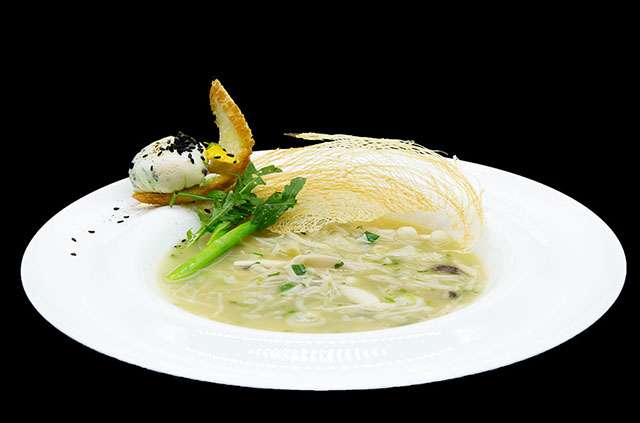
A seafood bisque is one of French cuisine’s most elegant expressions of the ocean. Traditionally rich, smooth, and deeply savory, it transforms shellfish and seafood into a refined soup with layers of aroma and a luxurious finish. At Duong Restaurant Saigon, this classic idea meets the brightness, fragrance, and visual appeal of Vietnamese cooking.
Located on Dong Du Street in District 1, the restaurant presents a chef-led dining experience in a cozy setting. Its menu brings together French technique and Vietnamese inspiration, creating dishes that feel polished without losing their connection to local flavors.
The seafood bisque is especially appealing for diners who enjoy delicate textures and concentrated seafood flavor. It can serve as a memorable first course, a comforting centerpiece, or part of a broader meal that includes seafood, salads, and other contemporary Vietnamese dishes.
The Character Of A French-Style Bisque
Classic bisque is known for its velvety consistency and intense marine flavor. Unlike a clear seafood broth, it has a fuller body that coats the palate gently. This texture allows every spoonful to feel substantial while preserving the natural sweetness of the seafood.
The French foundation also brings a sense of balance. Aromatics, a carefully developed stock, and a smooth finish help create depth without making the soup feel heavy. The result is a dish that can be enjoyed slowly, with attention to its fragrance and changing layers of taste.
At a fusion restaurant, this tradition becomes a starting point rather than a strict formula. The familiar richness of bisque can be shaped into something fresher and more expressive, suited to Saigon’s warm climate and vibrant culinary culture.
Vietnamese Inspiration In Every Spoonful
Vietnamese cuisine often relies on contrast: richness brightened by herbs, savory notes lifted by acidity, and smooth dishes given dimension through fragrance. These principles can make a seafood bisque feel lively as well as indulgent.
A Vietnamese-inspired interpretation may emphasize aromatic ingredients and clean seasoning rather than relying solely on cream or butter. Subtle herbal notes, gentle spice, or a hint of citrus can give the soup a more energetic profile while allowing the seafood to remain the star.
This balance reflects Duong Restaurant Saigon’s broader approach to fusion dining. French culinary structure provides refinement, while Vietnamese sensibility contributes freshness, warmth, and a connection to the flavors of Ho Chi Minh City.
Richness, Aroma, And Texture
The appeal of a seafood bisque lies in the way several sensations arrive together. Its aroma should suggest the sea and freshly prepared aromatics. Its texture should be smooth and cohesive. Its flavor should develop gradually, moving from savory depth toward a clean, lingering finish.
That progression makes the dish particularly suitable for fine dining. It encourages smaller bites and a slower pace, allowing the diner to notice the relationship between the soup’s body, seafood character, and seasoning.
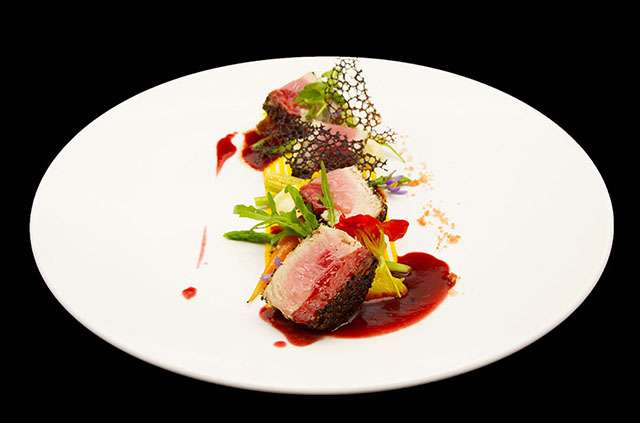
A well-composed bisque also creates a graceful bridge between courses. It can begin a meal with sophistication before leading into a main dish such as tuna steak or another seafood creation. Diners interested in the restaurant’s broader fusion style can explore this tuna steak guide for another example of French and Vietnamese influences meeting on one plate.
How The Fusion Compares
The distinction between a classic French preparation and a Saigon-inspired version is less about replacing tradition than about adjusting its rhythm. The French approach tends toward concentrated richness, while Vietnamese influence often brings aromatic lift and a cleaner finish.
| Feature |
Classic French Bisque |
Saigon-Inspired Seafood Bisque |
| Main impression |
Rich, smooth, and deeply savory |
Refined, aromatic, and lively |
| Flavor structure |
Shellfish depth with creamy roundness |
Seafood richness balanced by freshness |
| Culinary influence |
Traditional French technique |
French method with Vietnamese sensibility |
| Ideal role |
Elegant starter or light meal |
Opening course in a modern fusion menu |
| Dining mood |
Formal and luxurious |
Sophisticated yet warm and approachable |
This contrast helps explain why the dish feels distinctive at Duong Restaurant Saigon. It respects the luxurious identity of bisque while making room for the bright, fragrant character associated with Vietnamese dining.
Pairings That Bring Out The Seafood
Pairing should support the bisque’s texture and aroma rather than compete with it. Lightly dressed salads can provide crispness, while seafood dishes with clean seasoning can continue the oceanic theme without overwhelming the palate.
French sauces can also offer useful inspiration when considering the rest of the meal. Diners who want to understand how these traditions work together can read about French seafood sauces before exploring a multi-course dinner.
A chilled white wine, sparkling wine, or a non-alcoholic citrus-based drink may complement the bisque’s richness. The best choice depends on the complete order, but freshness and moderate acidity generally help keep the meal balanced.
A Thoughtful Dining Experience
The setting matters when enjoying a dish with such a layered personality. Duong Restaurant Saigon’s cozy atmosphere supports an unhurried meal, giving diners time to appreciate the presentation, aroma, and texture of each course.
Service and table etiquette can also shape the experience, especially for visitors combining Vietnamese dishes with French-style cutlery. A helpful guide to chopsticks and cutlery explains how to move comfortably between both dining traditions.
Whether ordered as a starter or included in a larger chef-led menu, the bisque represents the restaurant’s culinary identity in a compact form. It is elegant enough for a special occasion, yet approachable enough for travelers discovering contemporary Vietnamese cuisine for the first time.
Ways To Enjoy The Bisque
A few simple choices can make the dish even more memorable:
- Begin with a small spoonful on its own to notice the seafood stock, aroma, and seasoning.
- Pair it with a crisp salad or another lightly prepared dish for textural contrast.
- Follow it with a seafood entrée or tuna steak to maintain a coherent flavor journey.
- Choose a fresh, moderately acidic beverage to balance the bisque’s silky richness.
- Take time between courses so the soup’s lingering finish can be appreciated.
For diners exploring District 1, this seafood bisque offers more than a satisfying bowl of soup. It captures the meeting point between French culinary finesse and Vietnamese flavor culture, presented in the welcoming setting of Duong Restaurant Saigon. Reserve a table on Dong Du Street and make it part of a relaxed fusion dining experience in the heart of Ho Chi Minh City.