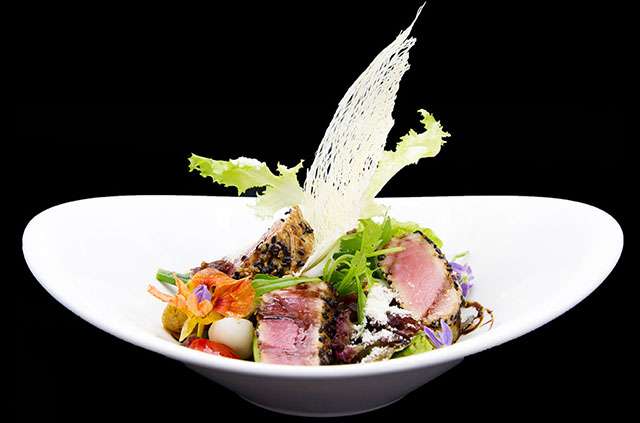
How Duong Restaurant Saigon Balances Sweet, Sour, Salty, and Umami
Vietnamese cuisine is often described through freshness and contrast: herbs against grilled meat, crisp vegetables beside tender noodles, and a bright dressing cutting through richness. At Duong Restaurant Saigon on Dong Du Street, these contrasts are shaped into refined, chef-led plates influenced by both Vietnamese tradition and French technique.
The result is more than a collection of separate flavours. A single bite can move from gentle sweetness to citrus-like sharpness, then finish with savoury depth. For Australian diners accustomed to bold Asian flavours, modern European presentation, and carefully balanced tasting menus in cities such as Sydney and Melbourne, this style offers a thoughtful way to experience Saigon.
The Vietnamese Logic Of Balance
Sweet, sour, salty, and umami are not treated as competing flavours. They are adjusted so that each one supports the next. A sweet note may come from caramelised ingredients or a naturally mild sauce, while sourness can lift seafood, salads, or noodles without dominating them.
Salty seasoning gives definition rather than intensity. Umami then supplies length, creating a satisfying finish from stock, mushrooms, seafood, or well-prepared meat. This approach suits diners who prefer layered seasoning over food that is simply hot or heavily salted.
Sweetness With Purpose
In a balanced Vietnamese dish, sweetness should feel rounded and integrated. It can soften the edge of fish sauce, deepen a glaze, or highlight the natural flavour of beef. When paired with fresh herbs and a sharp dressing, it gives the palate a moment of warmth before the next flavour arrives.
The rice noodle beef rolls show how this idea works in a compact format. Soft rice noodles and tender beef create a mild base, while herbs, dipping sauce, and accompanying vegetables add movement. Duong’s chef explains the technique behind these delicate rolls in the guide to perfect rice noodle rolls, where texture and seasoning need to remain precise rather than overwhelming.
Sourness That Keeps A Bite Lively
Sourness is often the element that makes a dish feel fresh. It clears the palate after a rich mouthful and gives vegetables, seafood, and noodles a cleaner finish. Citrus, vinegar, or lightly fermented components can all provide acidity, but the amount matters: too little leaves a dish flat, while too much hides its natural character.
This is particularly useful in Saigon’s warm climate, where light, vibrant food can feel more inviting than dense dishes. Australian visitors arriving from Brisbane, Perth, or Darwin may also appreciate that freshness after a long flight or a humid afternoon exploring the city.
Salty Depth And Umami Finish
Salt brings the basic flavours into focus, yet the best result comes from restraint. It should make seafood taste more like seafood and allow beef, mushrooms, or broth to develop their own character. Umami works at a deeper level, lingering after the sharper notes have faded.
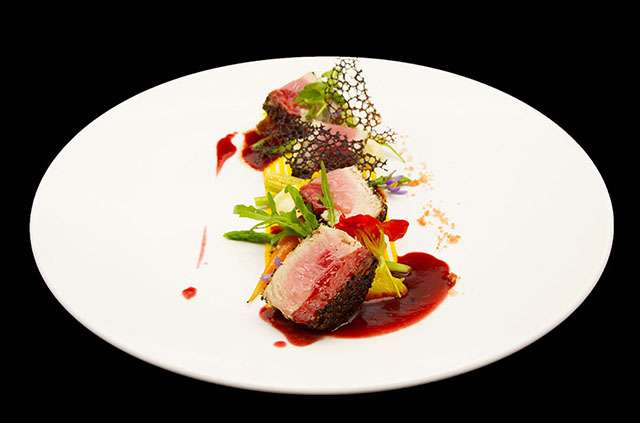
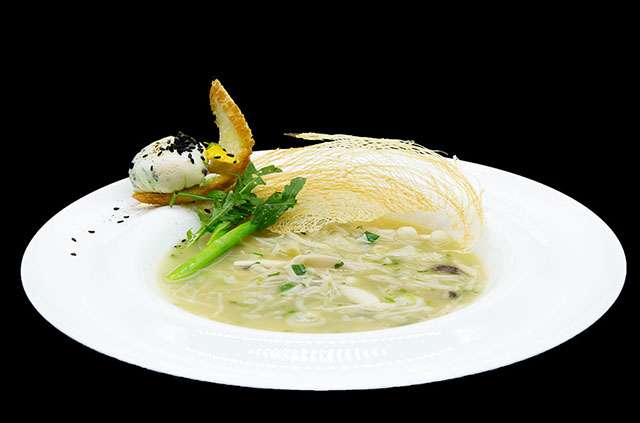
A mushroom soup can demonstrate this beautifully. Its savoury depth may feel comforting, while herbs or a delicate garnish prevent it from becoming heavy. Seafood, tuna steak, and salads can follow the same principle, using measured seasoning to create a finish that is full without being aggressive.
| Flavour note |
What it contributes |
Ingredients or dishes where it may appear |
| Sweet |
Rounds sharp seasoning and adds warmth |
Glazes, caramelised elements, beef |
| Sour |
Refreshes the palate and lifts richness |
Citrus dressings, dipping sauces, salads |
| Salty |
Defines the main ingredients |
Fish sauce, seasoned broths, seafood |
| Umami |
Provides savoury length and depth |
Mushrooms, stock, tuna, beef |
| Fresh herbal notes |
Adds aroma and contrast |
Vietnamese herbs, greens, garnishes |
Crisp Textures Against Tender Centres
Flavour balance becomes clearer when texture changes within the bite. A soft noodle roll gains energy from fresh greens or a lively dipping sauce. A tender piece of tuna feels more complete when accompanied by a crisp, light element rather than another soft component.
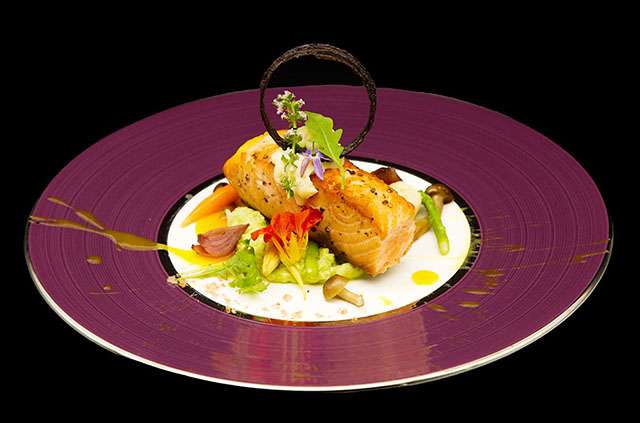
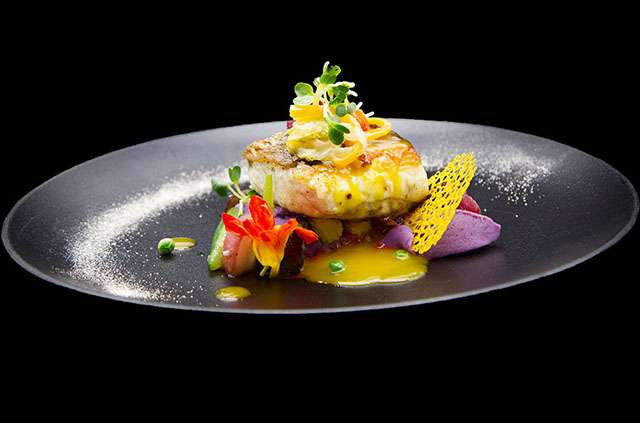
The same principle appears in battered seafood. A delicate crust can carry seasoning while protecting the moist interior, allowing the diner to experience salt, umami, and freshness in quick succession. Duong’s explanation of light crispy seafood shows why batter should stay airy and restrained instead of becoming the main event.
French Technique Meets Saigon Character
The restaurant’s Vietnamese-French fusion is most visible in its attention to structure. French cooking contributes ideas such as careful reduction, elegant plating, and control of sauces, while Vietnamese flavours bring herbs, fish sauce, fresh vegetables, rice noodles, and bright acidity.
For Australian diners, this combination may feel familiar in the same way that modern restaurants in Melbourne or Sydney pair local produce with Southeast Asian seasoning. It remains recognisably Vietnamese, but the presentation and pacing make the meal suitable for a relaxed fine-dining occasion on Dong Du Street.
A Practical Way To Read The Menu
Rather than judging each dish by a single dominant flavour, notice how it changes from the first contact to the finish. The initial impression may be crisp or sour, followed by a soft sweetness and a more savoury aftertaste. This progression is the essence of a well-composed bite.
A few simple choices can help diners appreciate the menu:
- Begin with a fresh salad or light starter to tune the palate.
- Try rice noodle beef rolls for a balance of softness, herbs, and dipping sauce.
- Choose seafood when you want crisp texture with bright seasoning.
- Order mushroom soup for a deeper umami-led course.
- Pair tuna steak with fresh vegetables or an acidic garnish.
- Take small bites so the flavours can develop together.
- Allow time between courses instead of rushing through the meal.
Make The Meal Part Of Your Saigon Visit
A meal at Duong Restaurant Saigon fits naturally into a District 1 itinerary. After exploring the cafés, boutiques, colonial-era streets, or riverside sights around central Ho Chi Minh City, the restaurant offers a calm setting in which to slow down and focus on carefully balanced food.
For visitors from Australia, where tipping is generally optional and diners often value clear, attentive service, the experience also provides a different rhythm of hospitality. Reserve a table at Duong Restaurant Saigon, explore the chef-led menu, and taste how one carefully composed bite can move from sweet to sour, salty to deeply savoury.