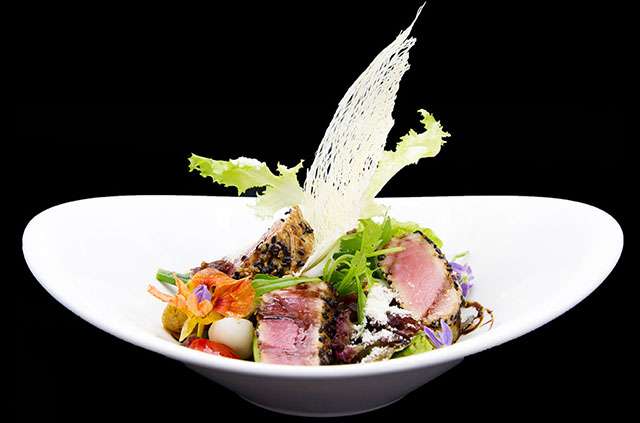
How Duong Restaurant Saigon Sources Its Seasonal Produce
At Duong Restaurant Saigon, seasonal cooking begins long before ingredients reach the dining room. The kitchen team builds its menu around the quality, freshness, and character of available produce, using Vietnamese ingredients as the foundation for a refined dining experience on Dong Du Street in District 1.
This approach gives the chef-led menu room to change with the local growing calendar. Herbs may be at their most fragrant after the rains, leafy greens can become especially tender during cooler periods, and tropical fruits develop different levels of sweetness throughout the year.
Seasonal sourcing also supports the restaurant’s Vietnamese and French fusion style. Familiar local ingredients can be treated with French-inspired technique while retaining the freshness, aroma, and balance associated with Vietnamese cuisine.
Seasonal availability guides the menu
Vietnam’s climate provides a broad range of vegetables, herbs, fruits, mushrooms, and seafood across the year. Rather than treating every ingredient as permanently interchangeable, a thoughtful kitchen pays attention to when each product is most vibrant. This helps determine which elements are best suited to salads, soups, noodle dishes, sauces, or composed plates.
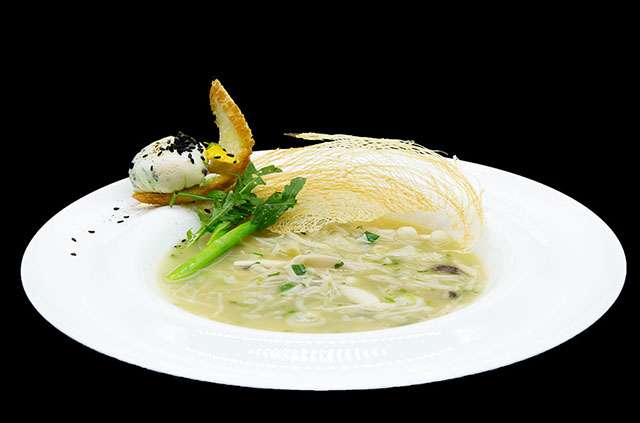
For Duong Restaurant Saigon, the result is a menu that can respond to the market. A particular herb may become the aromatic focus of a dish, while seasonal mushrooms can bring depth to a soup or provide a satisfying texture in a vegetable-forward plate. This flexibility allows the kitchen to protect quality instead of forcing an ingredient into a recipe when it is out of season.
Seasonality also gives returning diners something fresh to discover. Small changes in garnish, vegetables, or sauce can preserve the identity of a dish while reflecting what is currently available from local suppliers.
Working with local growers and suppliers
Sourcing seasonal produce depends on reliable relationships. Local growers, market vendors, and specialist suppliers understand the timing of regional crops and can help the kitchen identify ingredients that are at their peak. Regular communication makes it easier to plan deliveries, assess quantities, and respond to changes caused by rainfall or temperature.
A close supplier relationship is especially valuable in Ho Chi Minh City, where freshness can vary quickly between harvest and service. Produce is selected for more than appearance. Firmness, fragrance, ripeness, moisture, and flavor all influence whether an ingredient is ready for the restaurant’s kitchen.
The chef and purchasing team must also balance consistency with discovery. Core ingredients support familiar favorites, while limited seasonal items can inspire daily adjustments. This combination keeps the menu recognizable without making it rigid.
Selecting seafood, herbs, and market produce
Fresh produce is assessed as soon as it arrives. Leafy greens should look lively rather than tired, herbs should release a clear aroma, and fruits should offer the right balance of ripeness and structure for the intended dish. Mushrooms need a clean scent and firm texture, while vegetables should retain enough freshness to withstand preparation and cooking.
Seafood requires the same attention to timing and condition. Texture, scent, color, and handling determine whether an ingredient is suitable for a delicate preparation or a more robust cooking method. Diners interested in how marine ingredients are used can explore the restaurant’s seafood selection for a closer look at dishes that highlight freshness and technique.
Once selected, ingredients are stored according to their needs. Some herbs benefit from careful humidity control, while certain vegetables require ventilation. Proper storage protects flavor and reduces waste, allowing the kitchen to use more of each delivery at its best.
| Ingredient group |
Seasonal sourcing focus |
Culinary role |
| Fresh herbs |
Fragrance, color, and tenderness |
Aromatic garnish, salad, dipping sauce |
| Leafy vegetables |
Crispness and moisture |
Salads, sides, quick sautés |
| Mushrooms |
Firm texture and clean aroma |
Soups, sauces, and savory fillings |
| Tropical fruit |
Ripeness and natural sweetness |
Fresh accents, sauces, and desserts |
| Seafood |
Handling, scent, and texture |
Grilled, seared, or delicately cooked dishes |
Turning fresh ingredients into balanced dishes
Sourcing is only the first stage. The kitchen must preserve the qualities that made an ingredient desirable in the first place. Quick cooking can retain the color and crunch of vegetables, while slow preparation may draw out the savory depth of mushrooms or create a more concentrated sauce.
The restaurant’s Vietnamese and French influences meet in this stage of the process. Vietnamese cooking contributes herbs, freshness, acidity, and layered seasoning, while French methods may guide reductions, searing, purées, or careful plating. Seasonal produce gives both traditions a precise and changing foundation.
Balance is essential when ingredients vary naturally from one delivery to the next. A sweeter fruit may require more acidity, a delicate herb may need a lighter sauce, and a robust mushroom may support a deeper seasoning. The principles described in balancing flavors help explain how freshness, salt, sourness, sweetness, bitterness, and texture work together on the plate.
Reducing waste through flexible preparation
Seasonal purchasing can be more sustainable when the kitchen plans carefully. A chef may use stems for stock, trim for sauces, and ripe fruit in a dressing or dessert component. This approach respects the work involved in growing and transporting each ingredient while helping the restaurant control unnecessary waste.
Flexible preparation is also useful when the size or volume of a delivery changes. Vegetables that are too small for one presentation may suit a soup, while a particularly attractive batch can become the centerpiece of a composed dish. Adapting the cooking method allows the kitchen to maintain standards without depending on identical produce every day.
This practical mindset supports a more authentic farm-to-table rhythm. The menu reflects what suppliers can provide at its best, and guests experience ingredients with a clearer sense of place and time.
Bringing seasonal dining to the table
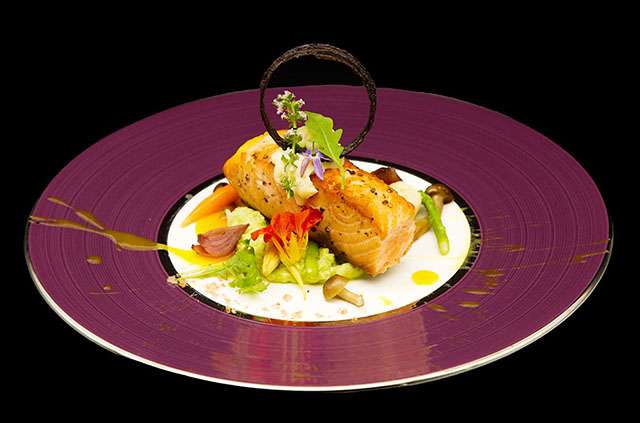
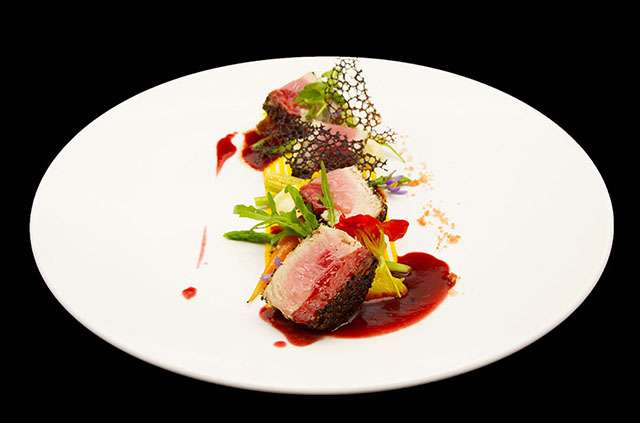
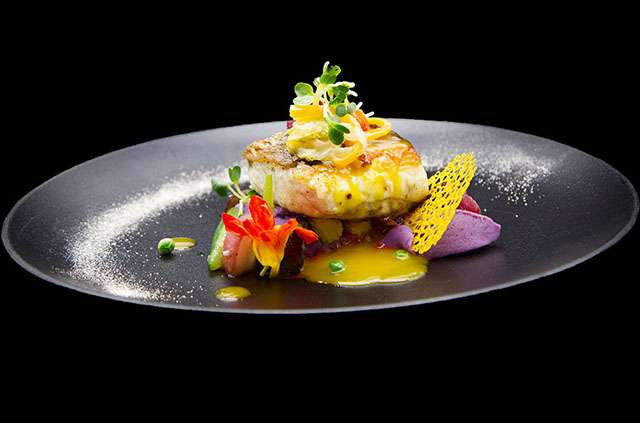
The effect of seasonal sourcing is most visible in the dining experience. Fresh herbs add immediate fragrance, vegetables provide contrast, and well-handled seafood retains a clean, natural flavor. These details are supported by the restaurant’s cozy atmosphere and attentive service, creating a meal that feels carefully considered without becoming formal or inaccessible.
Pairings can also reinforce the character of seasonal dishes. Guests who prefer to avoid alcohol can explore non-alcoholic pairings, where refreshing drinks can complement herbs, seafood, acidity, and gentle spice without overpowering the food.
For visitors exploring District 1, dining at Duong Restaurant Saigon offers more than a fixed menu. It provides a chance to experience Vietnamese produce through changing textures, aromas, and cooking techniques, with each plate shaped by the ingredients available at the time.
Ways to experience the seasonal menu
A seasonal menu is best enjoyed with a little attention to the kitchen’s current selection. These choices can help diners make the most of their visit:
- Ask about the chef’s freshest vegetable, mushroom, or seafood ingredients when reserving.
- Choose dishes with contrasting textures, such as a crisp salad alongside a tender main course.
- Look for herbs, sauces, and garnishes that show how local produce shapes the plate.
- Consider a non-alcoholic drink that complements the dish’s acidity, spice, or freshness.
- Reserve ahead for a relaxed dining experience on Dong Du Street.
Seasonal produce gives Duong Restaurant Saigon a living connection to Vietnam’s markets and growing regions. Reserve a table in District 1 to discover how the day’s freshest ingredients become thoughtful Vietnamese and French fusion dishes.