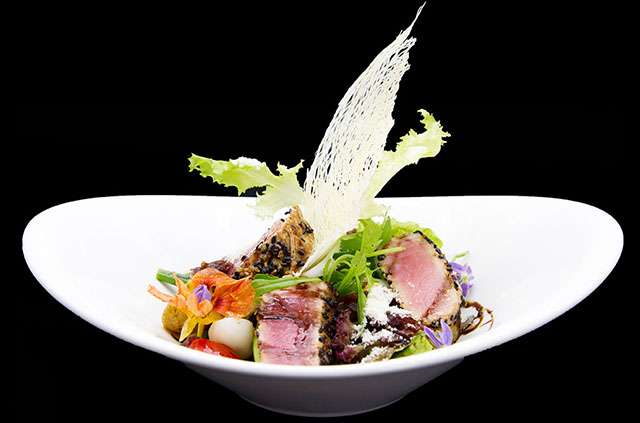
How to Cleanse Your Palate Between Courses at Duong Restaurant Saigon
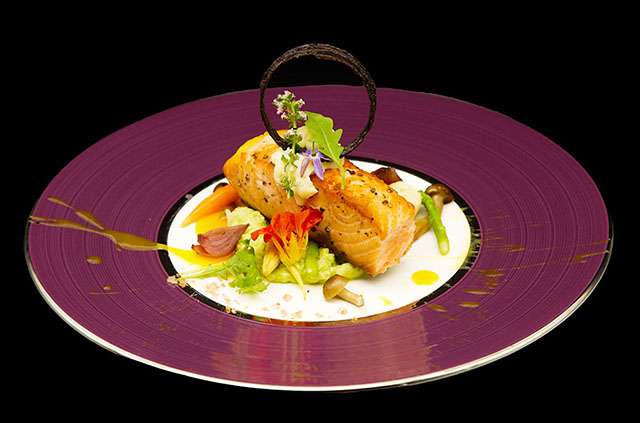
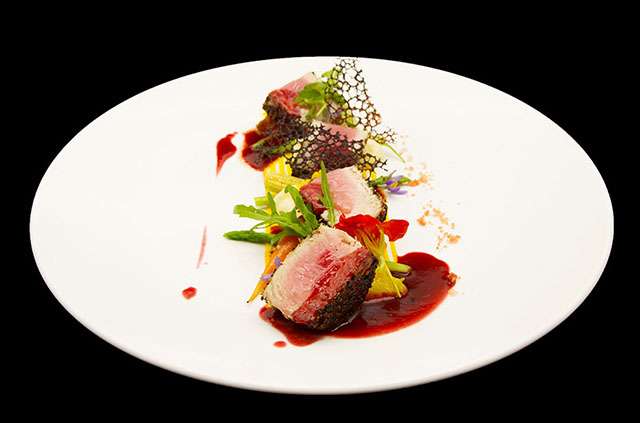
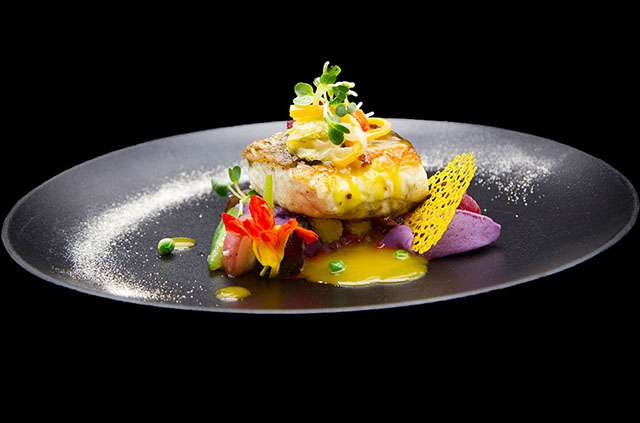
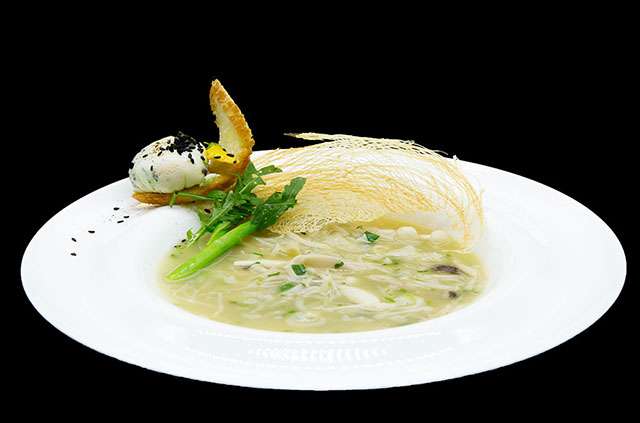
A multi-course meal at Duong Restaurant Saigon is designed to move through contrasting flavours, textures and aromas. Vietnamese ingredients meet French technique, so a fresh, fragrant starter may lead into seafood, tuna steak, mushroom soup or a richer rice noodle dish.
For Australian diners, palate cleansing is especially useful after a long flight from Sydney, Melbourne or Brisbane. Travel fatigue, dry cabin air and Saigon’s heat can make bold flavours feel even more intense, while a short pause helps each course taste distinct.
The best palate cleansers are simple. Chilled water, a small amount of fresh fruit, mild herbs and a few quiet minutes between dishes can refresh the mouth without competing with the chef’s work.
A considered dining rhythm also suits Duong’s cosy setting in District 1. Rather than rushing through dinner as if it were a quick meal after work in Melbourne’s laneways, allow the courses to arrive at their natural pace and enjoy the transition between them.
Why A Clean Palate Matters
A palate cleanser removes lingering salt, spice, oil and acidity from the mouth. This makes it easier to recognise subtle changes in a meal, such as the sweetness of seafood, the earthiness of mushrooms or the delicate seasoning in a Vietnamese-inspired salad.
It also prevents flavour fatigue. A rich sauce can leave a coating on the tongue, while chilli, garlic or citrus may dominate the next bite. A gentle reset brings your taste buds back to a neutral point without erasing the character of the meal.
At a fine-dining restaurant, this small ritual supports the chef-led menu. Each dish can be appreciated on its own rather than being judged against the intensity of the course before it.
Begin With A Fresh, Neutral Foundation
Start the meal with still water at a cool temperature. Sparkling water can be refreshing, although its carbonation may distract from delicate dishes or create a slightly sharp sensation on the tongue. Take small sips instead of drinking a large glass immediately before eating.
If you are dining after sightseeing around Ben Thanh Market, the Saigon River or Nguyen Hue Walking Street, give yourself a few minutes to cool down before the first course. Heat and dehydration can make salt and chilli seem stronger than they are.
A modest opening bite with clean flavours is also helpful. Mild greens, lightly dressed salad or a small seafood preparation can prepare the palate without overwhelming it. Avoid beginning with very sweet drinks, heavy beer or strong spirits if you want to notice the finer details of the menu.
Use Vietnamese Ingredients As Gentle Resets
Fresh herbs can provide a natural palate refresh between courses. Mint, Vietnamese coriander and Thai basil bring cool, aromatic notes that clear the mouth while remaining connected to the cuisine. Eat a small leaf or two rather than combining a large handful with every dish.
Cucumber, lightly prepared vegetables and crisp lettuce can perform a similar role. Their water content helps remove oily textures, particularly after a dish with a creamy dressing or a richer sauce. Fresh fruit may work well too, provided it is not highly acidic or very sweet.
Lime deserves a measured approach. A tiny amount can brighten the palate, but squeezing lime over every course may flatten subtle flavours. Let the dish guide you, especially when moving from seafood to tuna or from a salad to a warm main.
Pause Between Contrasting Courses
The simplest cleansing technique is to slow down. Place your cutlery down, take two or three sips of water and allow the previous flavour to fade before beginning the next course. This short pause is often more effective than adding another ingredient.
Avoid chewing gum between dishes, as mint and artificial sweetness can interfere with wine, seafood and delicate sauces. Strong coffee should also wait until the meal is finished. Its bitterness can make the following course seem flatter or more acidic.
The same principle applies to wine and cocktails. If you are moving from a light white wine to a fuller red, ask for water and take a brief break. Guests used to a relaxed Australian “no worries” pace will find that an unhurried transition suits the restaurant’s service style.
Make Each Course Feel Distinct
When the menu moves from a clean starter to a more substantial dish, observe the change before reaching for a cleanser. Notice the aroma first, take a small bite and allow the flavours to develop. Cleansing should support curiosity, not interrupt it.
Duong’s open kitchen perspective can make this progression especially engaging. The open kitchen story offers useful context for diners interested in how ingredients, preparation and presentation come together.
A few practical habits make a noticeable difference:
- Sip still water after salty or oily dishes.
- Choose cucumber or fresh greens after rich sauces.
- Use herbs sparingly between aromatic courses.
- Take a short pause before beginning a new plate.
- Keep strong coffee and mint flavours until after dessert.
For guests who enjoy photographing dinner, it is worth taking the picture quickly and then tasting the dish while it is at its best. Visual presentation matters, but a long delay can affect temperature, texture and the intended balance.
Choose Drinks That Refresh Rather Than Compete
A dry white wine, light sparkling wine or alcohol-free botanical drink may complement a seafood-focused progression. The right choice depends on the dishes and your personal preference, but excessive sweetness can make savoury food taste sharper or saltier.
Beer can be refreshing in Saigon’s humid climate, particularly after an afternoon outdoors, though its bitterness and carbonation may dominate subtle courses. If you choose one, drink it slowly and keep water available.
Australian diners may be familiar with BYO customs in some local restaurants, but international venues vary in their licensing and service policies. Check the current arrangements when booking rather than assuming that a bottle from a bottle shop in Sydney or a Melbourne wine merchant can be brought in.
A few pairings are especially easy to manage:
- Still water with delicate seafood or soup.
- Dry white wine with light salads and fish.
- Sparkling water after rich or oily dishes.
- Light beer with robust, herb-led Vietnamese flavours.
- Tea after the savoury courses and before dessert.
Match Your Palate Strategy To The Menu
The most suitable cleanser depends on what comes before and after. A simple salad may need only water, while a creamy mushroom soup or strongly seasoned beef roll may benefit from herbs, cucumber or a longer pause.
The restaurant’s dining environment can shape the experience as well. Diners choosing between a quieter indoor table and a more open setting can compare the indoor and outdoor dining options before reserving. Temperature, street activity and conversation all influence how quickly you eat and how well you notice flavour changes.
| Previous course |
Gentle palate reset |
Best next direction |
| Fresh salad |
Still water or cucumber |
Seafood or light soup |
| Seafood |
Mild herbs or water |
Tuna steak or vegetables |
| Mushroom soup |
Water and a short pause |
Rice noodle beef rolls |
| Rich beef dish |
Fresh greens or sparkling water |
Fruit or a lighter dessert |
| Sweet dessert |
Plain water or unsweetened tea |
Coffee after the meal |
If you enjoy food photography, visual inspiration can be useful without dictating your choices. Looking at examples such as Instagrammable rolls may encourage attention to shape and colour, but the best guide at Duong remains the balance of the meal in front of you.
Reserve a table in advance, mention dietary requirements clearly and allow enough time for a relaxed progression through the menu. With cool water, restrained use of herbs and a few unrushed pauses, each course at Duong Restaurant Saigon can arrive with a fresh sense of flavour.